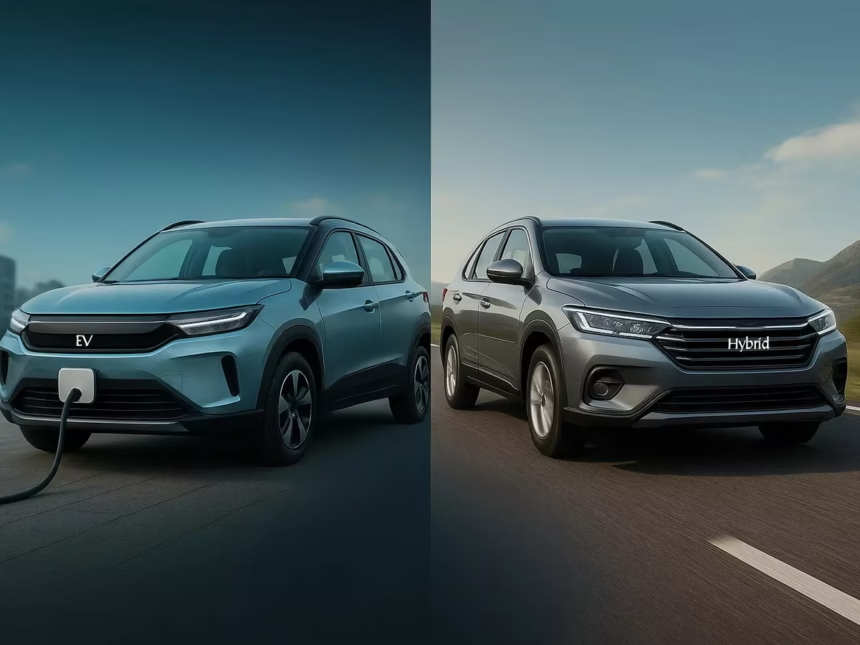




A few years ago, the story practically wrote itself: gas engines were on their way out, and every automaker on earth was racing to go all-electric before the decade was over. Walk into a dealership in the US today, though, and you’ll find a very different reality. Electric vehicle sales have stalled, and the vehicles quietly stealing the spotlight are hybrids — the “in-between” technology many assumed was just a stepping stone.
The slowdown, in numbers
The first quarter of 2026 wasn’t kind to EVs in the US. Electric vehicles made up just 6.3% of new light-duty vehicle sales, down from 6.5% the previous quarter. Measured year-over-year, the drop is much sharper: EV registrations fell by roughly 148,000 vehicles, a 39% decline compared to the same period in 2025. Separately, Cox Automotive data shows EV sales fell 27% year-over-year in Q1, with share sitting well below the 10.6% peak the segment hit back in the third quarter of 2025.
Meanwhile, gas-powered vehicles actually gained ground — their market share rose for a second consecutive quarter — and hybrids picked up nearly three percentage points of share over the same stretch.
Forecasters have been revising their long-term outlooks downward to match. BloombergNEF once expected plug-in vehicles to capture almost half of new US sales by 2030; that projection has been cut all the way down to around 17%, with share expected to hover near 8-9% through 2026 and 2027 before any real recovery kicks in.
What’s actually causing the pullback
The single biggest factor is policy. Federal EV tax credits expired in September 2025, and the sales data makes the impact obvious — Q4 2025 registrations fell 36% year-over-year. There’s also ongoing legal uncertainty around emissions standards that were designed to push automakers toward zero-emission lineups, with several states still contesting recent federal rollbacks in court.
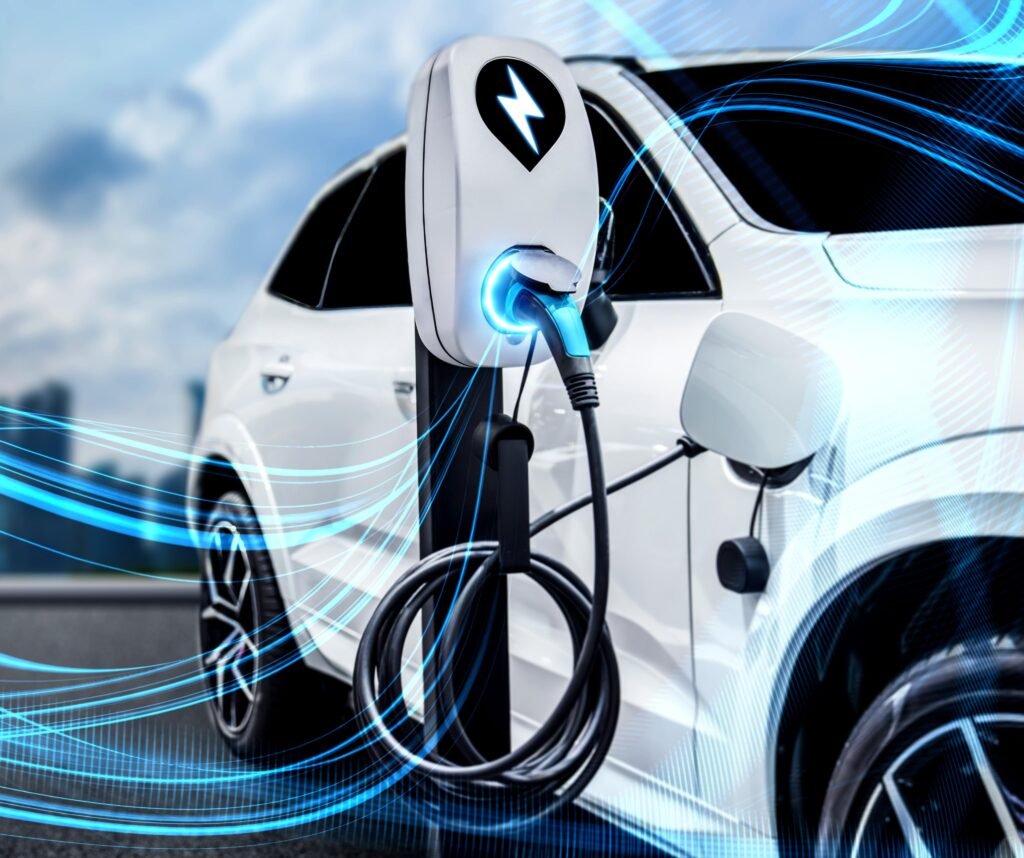
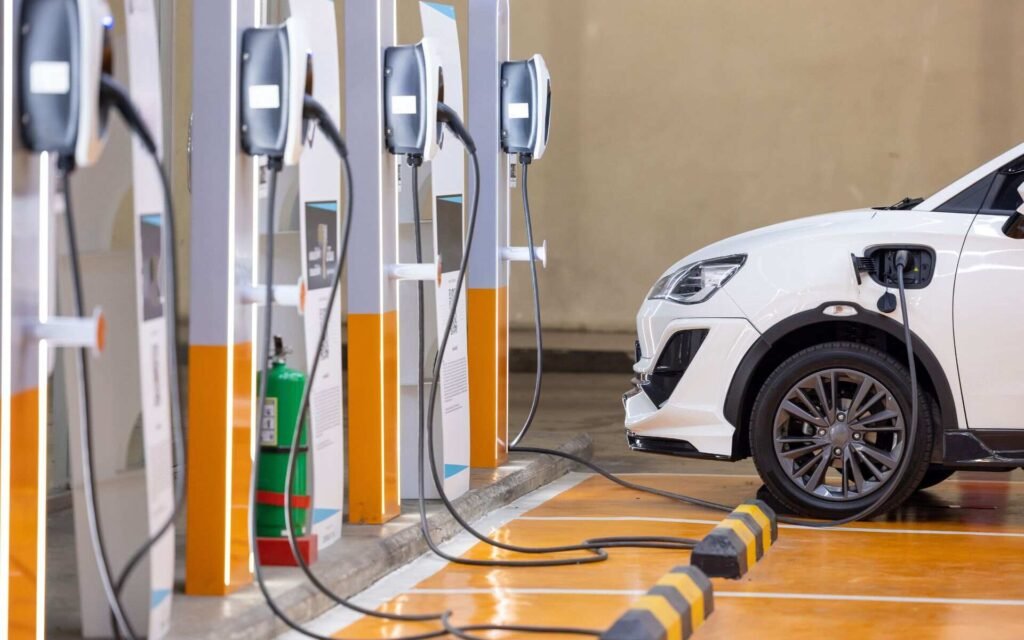
On top of that, charging infrastructure hasn’t kept pace with the vehicles already on the road. During the first quarter of 2026, the number of public charging stations grew just 2%, while the EV fleet itself expanded 3% — meaning the country added roughly 25 new EVs for every new public charging port. That gap matters: one widely cited 2024 McKinsey study found that 46% of current EV owners said they were likely to switch back to a gas vehicle for their next purchase, and poor public charging access was the top reason given.
Hybrids are having a moment
While EVs cooled off, hybrids kept climbing — and automakers with strong hybrid lineups are visibly outperforming those without one. Toyota’s second-quarter sales rose 1.1%, powered by roughly 20% growth in electrified vehicle sales. Hyundai’s North American CEO said hybrids are “the growth engine” for the brand right now, as buyers lean into fuel efficiency amid gas prices that are up more than 20% year-over-year. On the flip side, General Motors — which offers a broad EV lineup but essentially one hybrid, a low-volume Corvette — saw sales drop 4.2% in the same quarter.
That contrast has industry economists watching closely. Toyota is closing the sales gap with GM so quickly that some analysts now think it could overtake GM as the top-selling automaker in the US by year’s end.


Automakers are quietly rewriting their roadmaps
Behind the scenes, the shift has triggered a real strategic reset. Toyota cut its 2026 global battery-electric production target by about a third, down to 1 million units, and pushed its US EV production timeline further into 2026. Ford scrapped its electric F-150 Lightning outright. Several manufacturers have delayed or canceled planned EV models altogether, and industry-wide writedowns and investment cuts tied to abandoned EV plans have topped $60 billion since 2025.
Instead, automakers are hedging with partnerships: Honda and Nissan have explored co-developing EVs, hybrids, and software together; Ford has reportedly discussed sourcing hybrid batteries from China’s BYD; and BMW, Ford, and Honda launched a joint venture called Charge Scape aimed at improving how vehicles interact with the power grid.
It’s not a global story — just an American one
Zoom out, and the picture looks completely different. Globally, EV sales are still climbing, expected to reach about 23 million vehicles in 2026 and account for over a quarter of all new car sales worldwide. Europe is on pace for EVs to make up roughly a third of sales this year, and China is set to push electric cars toward 60% of its market. The US slowdown isn’t a sign that the technology has failed — it’s a distinctly American story, shaped by expired subsidies, patchy charging infrastructure, and a consumer base that, for now, is finding hybrids to be the more comfortable middle ground.
Whether that changes once battery prices keep falling and charging networks catch up remains the multi-billion-dollar question every automaker in Detroit, Tokyo, and Wolfsburg is trying to answer.