



For as long as most of us have been driving, the top of America’s sales chart has belonged to one truck. The Ford F-150 has worn the crown in 15 of the last 16 years, and the only vehicle ever to steal it away was the Toyota RAV4, for a single year back in 2024. It felt like a permanent fixture of the American road — trucks on top, everything else fighting for scraps.
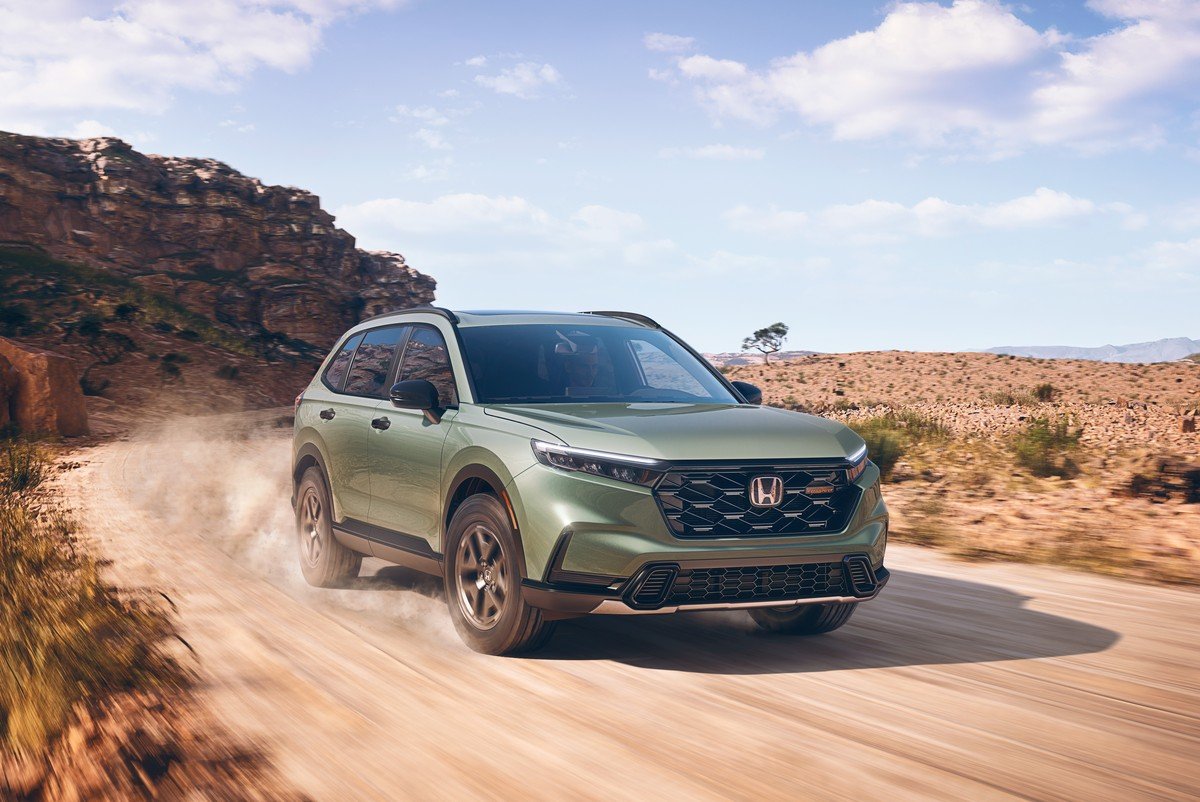
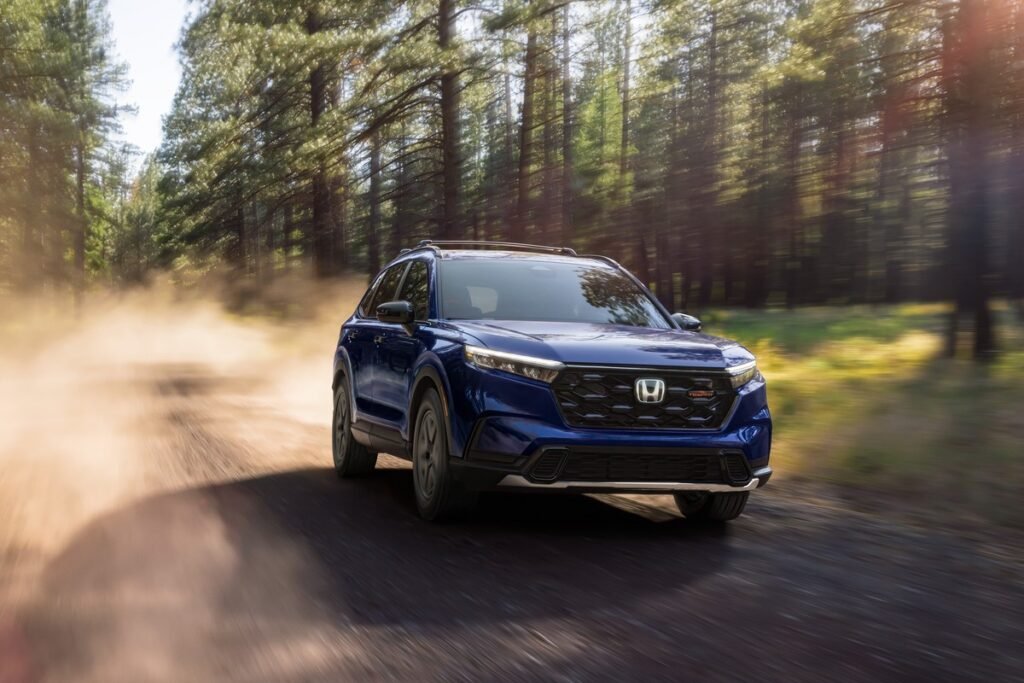
Halfway through 2026, that story has quietly flipped. The best-selling vehicle in the country right now isn’t a truck at all. It’s the Honda CR-V.
The numbers behind the upset
Through the first six months of the year, Honda moved 226,114 CR-Vs. That’s enough to edge out the F-150’s estimated 209,311 units, the Chevy Silverado 1500’s 194,807, and a struggling Toyota RAV4, which came in at just 153,955. The CR-V didn’t win by a nose either — sales jumped 19% in May and then a startling 30% in June, momentum that pulled it clear of the pack rather than sneaking past at the wire.
For a vehicle that most people would describe as sensible rather than exciting, that’s a remarkable run.
It’s a supply story more than a taste story
Before anyone declares that America has fallen out of love with trucks, it’s worth understanding what actually happened here — because both of Honda’s rivals were dealing with serious production headaches, not a sudden lack of demand.
Ford’s trouble traces back to a fire at a Novelis aluminum plant in Oswego, New York, in September 2025. A second fire hit the same part of the plant in November, right as repairs from the first blaze were underway. That single facility supplied roughly 40% of the aluminum sheet used across the entire US auto industry, and the F-150’s body relies heavily on aluminum. Ford estimates the shortage cost it more than 50,000 trucks in lost production, and the disruption may end up costing the company as much as $2 billion.
Toyota’s problem was self-inflicted, in a sense — the RAV4 was going through a full generational overhaul, switching to a hybrid-and-plug-in-hybrid-only lineup. That transition required major overhauls at plants in both Japan and North America, pushed the launch back to February 2026, and left dealers scrambling. One California dealer reportedly had more than 800 customers waiting on an allocation that hadn’t arrived yet.
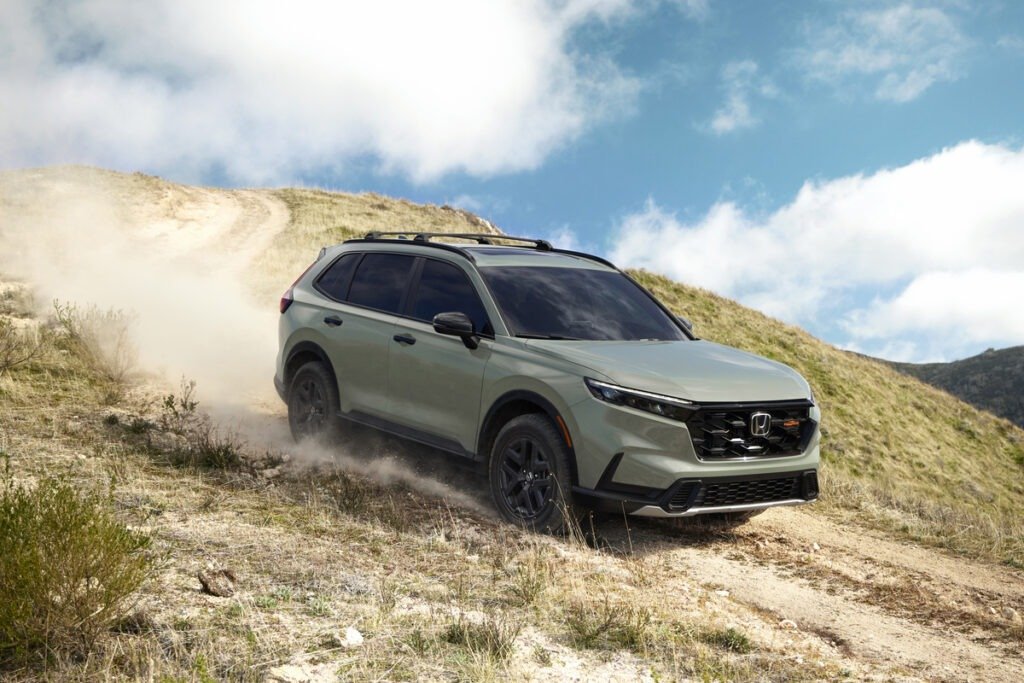
Honda, meanwhile, just kept building. It ran CR-V plants at full capacity and leaned into demand for hybrid versions, while its rivals were stuck managing shortages.


Loyalty helped too
It wasn’t purely a supply-chain accident. Honda has been quietly benefiting from a wave of lease returns this year, and it’s held onto about 75% of those returning customers by putting them into new CR-Vs — helped along by incentives running roughly $460 higher than they were in 2025. Combine that retention with steady inventory, and you get a vehicle perfectly positioned to capitalize the moment its two biggest rivals stumbled.
A footnote Ford fans will want you to know
There’s a wrinkle worth mentioning: Ford doesn’t publicly separate F-150 sales from its heavier-duty Super Duty trucks, so that 209,311 figure is actually an estimate from GlobalData, not an official company number. Add Super Duty sales back in, and the F-Series as a whole nameplate is still America’s most popular vehicle line by volume. Model to model, though, the CR-V really is on top.
Will it last?
Almost certainly not without a fight. Toyota’s new RAV4 finally started rolling off the line at its Kentucky plant in June, which should add somewhere around 40,000 units before the year is out. Ford, for its part, says its aluminum supplier has recovered and is ramping production back up, with executives expecting the second half of the year to more than make up for the shortfall.
So don’t expect the CR-V to hold this lead forever. But for six months in 2026, the most ordinary vehicle in America outsold the trucks that have defined the market for a generation — and that alone says something about how fragile even the most dominant positions in this industry can be.