



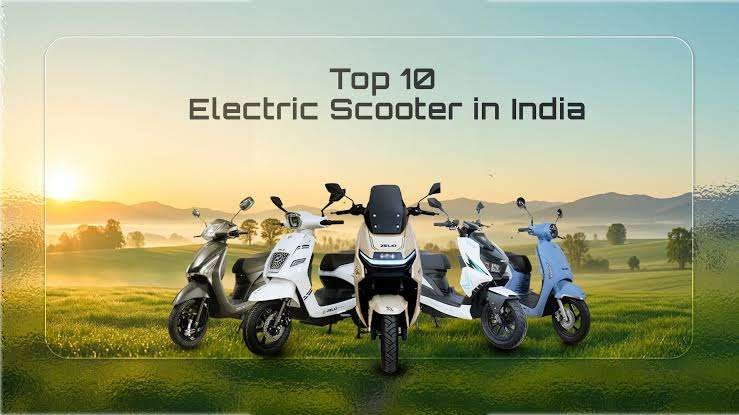

When electric scooters first started showing up on Indian roads. Everyone had a story, the range dropped to half in winter” or “the app kept crashing.” Some of that is still true today, honestly. But a lot has also changed for the better, and if you’re shopping for an EV scooter under 1 lakh rupees in 2026, it’s worth knowing what’s actually true now versus what was true two years ago.
This isn’t going to be one of those posts that just copies the brochure numbers and calls it a day. I’ll tell you what riders actually report, what the subsidy situation looks like right now, and roughly what you’ll spend charging one every month.
Why so many people are switching now
A few reasons, really. Petrol hasn’t gotten any cheaper. Most people in cities don’t ride more than 30-40 km a day anyway, so “range anxiety” matters a lot less than it sounds. And battery tech has genuinely gotten better — not perfect, but better.
There’s also a government push behind this. The PM E-DRIVE scheme (which took over from the older FAME-II subsidy) is still running for electric two-wheelers, though the incentive amount has been cut down over time. Right now it’s ₹2,500 per kWh of battery, capped at ₹5,000 per scooter, and it’s supposed to run until July 31, 2026. But it’s a fund-limited scheme, meaning if the money allocated for it runs out before that date, it can close early. You can check the current status yourself on the official PM E-DRIVE site — worth doing before you commit to buying, since the number could be different by the time you read this.
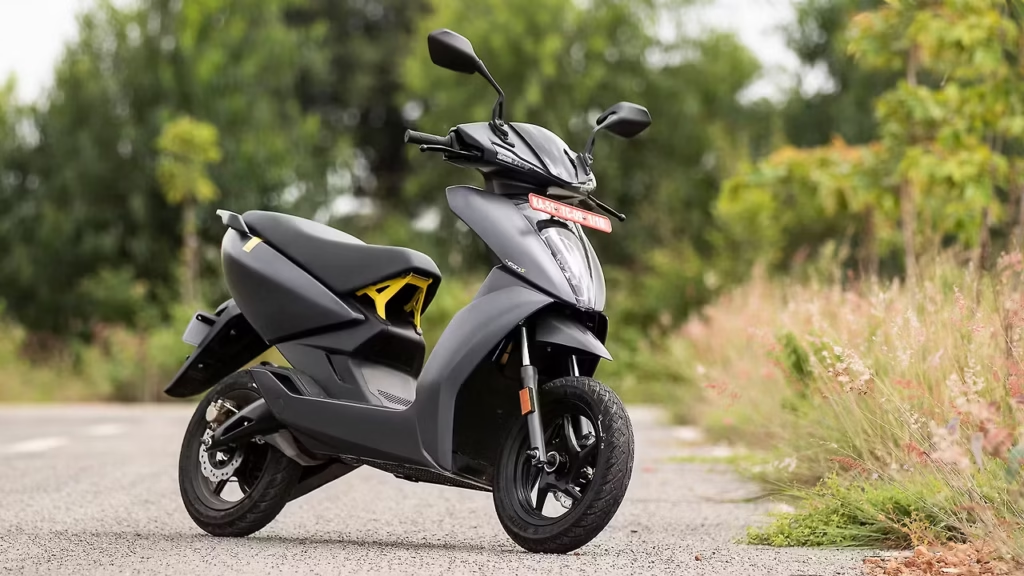
Scooters that actually fall under 1 lakh right now
Quick heads up before this list — “under 1 lakh” gets a bit fuzzy once RTO fees and insurance get added. Most of these land somewhere between 90,000 and 1.5 lakh on-road depending on the variant and your state. I stuck to the base models that stay close to the 1 lakh mark.
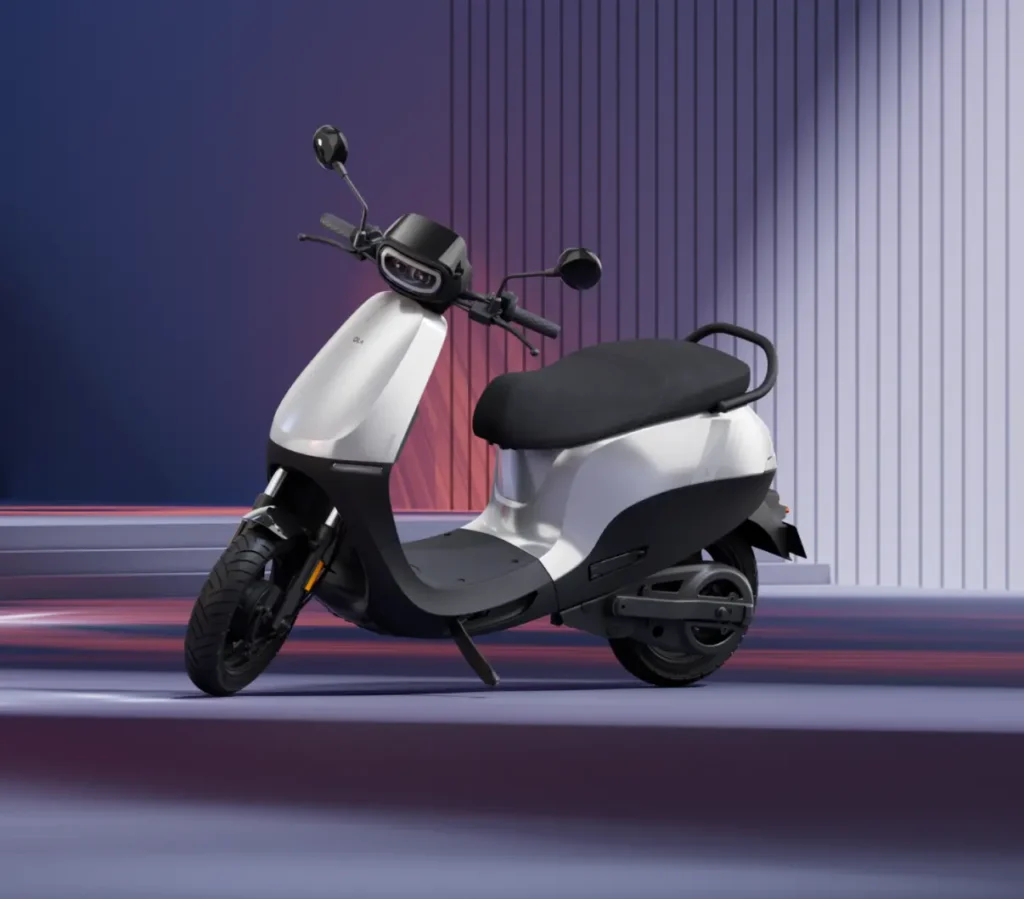
Ola S1 X (2 kWh / 3 kWh) — probably the cheapest scooter you’ll find from a brand with a real dealer network. It also qualifies for the full PM E-DRIVE subsidy since it’s well under the price cap.
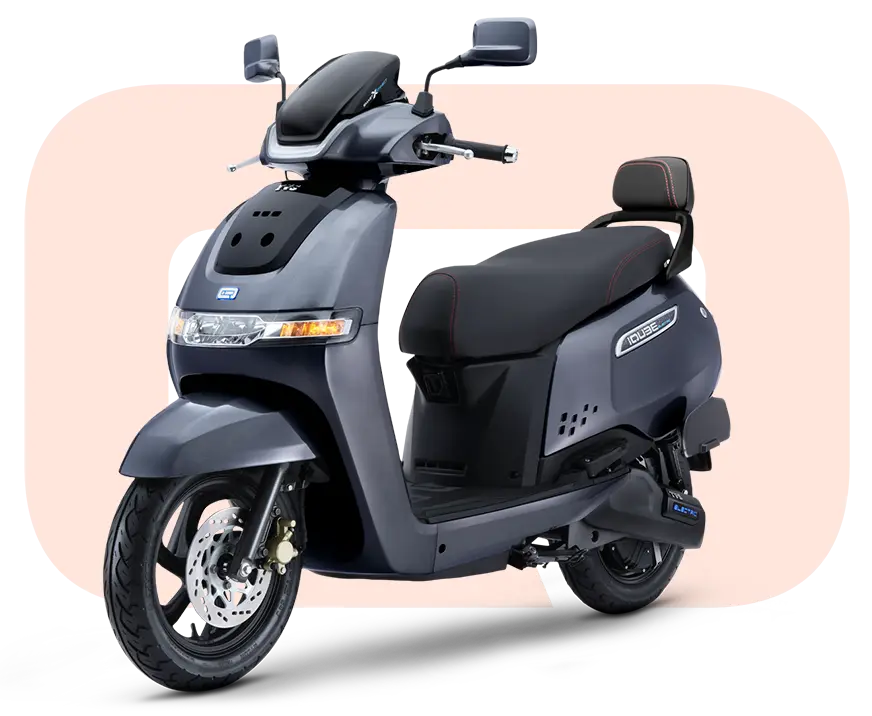
TVS iQube S — TVS doesn’t get talked about as much online, but this one’s built a quiet reputation for reliability. It also rides on TVS’s existing service network for petrol bikes, which honestly matters more than people realize until something breaks.
Bajaj Chetak 35 Series — a bit pricier, sits right at the edge of “under 1 lakh,” but owners keep saying it has fewer software issues than the flashier options.
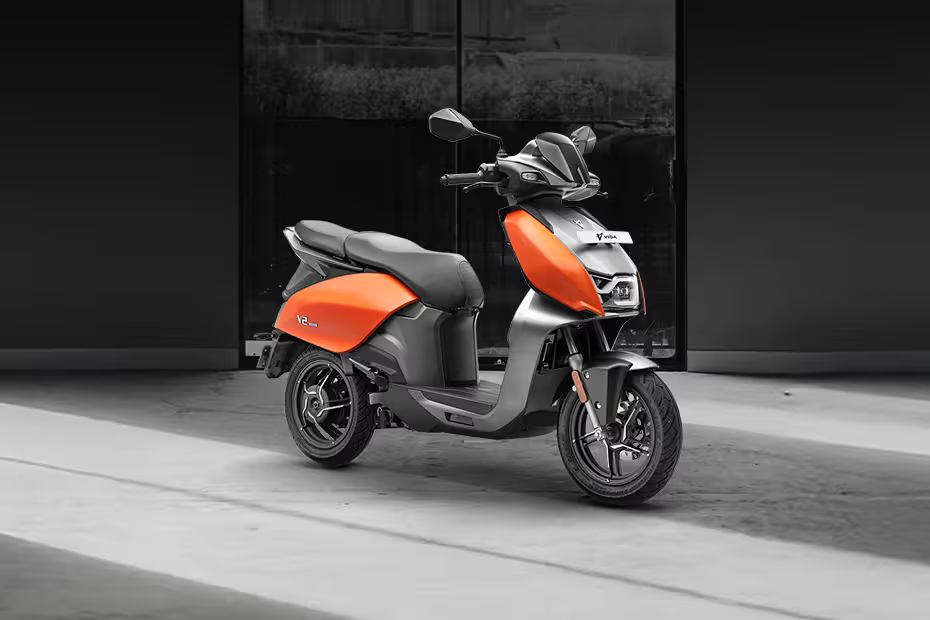
Hero Vida V2 — one of the more affordable options from a big established brand, so you’re not relying on a brand-new startup’s service centers.
Ather 450S — the toned-down version of Ather’s popular 450X. You lose a bit of range compared to the pricier model, but the build quality and app are still solid.
Ola S1 Pro vs real-world range: what you actually get
This is where most people get misled, so let’s just be straight about it.
Ola advertises a range between 176 km and 242 km for the S1 Pro, and up to 320 km for the top Plus variant. Those numbers come from lab tests, under ideal conditions nobody actually rides in.
What owners report in daily use is closer to 140–180 km on a full charge. Not bad at all for city commuting, but nowhere near what’s printed on the box. And this isn’t unique to Ola — real range depends on your speed, the mode you’re riding in, traffic, and even how hilly your route is. Ola themselves admit the actual number shifts based on riding style, load, and battery health.
So how do the competitors compare?
TVS iQube usually claims a lower number on paper than the S1 Pro, but a lot of long-term owners say the real number is closer to what’s advertised — TVS just seems to be more conservative with its claims. Bajaj Chetak’s claimed range is more modest too, but the drop-off between claimed and real is smaller. Ather’s app is also known for giving a fairly accurate live range estimate based on how you’re actually riding, which takes some of the guesswork out.
If you want one rule of thumb: whatever range a brand claims, plan your commute around 60-70% of that number. Applies to pretty much every EV scooter sold in India right now.
What does charging actually cost every month?
This is the number that convinces most people, so let’s do some simple math.
Say you ride 40 km a day. Most scooters in this segment do around 30-35 km per unit (kWh) of electricity. That’s roughly 1.2 kWh a day.
At an average home electricity rate of ₹6-8 per unit (this changes a lot depending on your state and how much power you already use), you’re looking at:
Daily cost: around ₹7-10 Monthly cost: roughly ₹210-300
Compare that to a petrol scooter doing 40 km/day at 45 km per litre, with petrol at around ₹100/litre — that’s close to ₹2,600-2,700 a month just in fuel. Ola’s own numbers put the average monthly saving around ₹1,761 for a 30 km daily commute in a metro city, which lines up with the math above once you factor in EMI and maintenance too.
A few things that can change this: charging at a public fast charger usually costs more per unit than charging at home. If your home electricity usage already pushes you into a higher billing slab, your effective cost per unit goes up too. And as the battery ages over a few years, it needs slightly more energy per km — usually gradual, and covered under warranty if something goes seriously wrong early.
State-wise subsidies in 2026 (check before you buy)
There are two layers of subsidy right now — central and state — and they can often be combined.
Central (PM E-DRIVE): ₹2,500 per kWh, capped at ₹5,000 per scooter, valid till July 31, 2026 (earlier if funds run dry). Any scooter under ₹1.5 lakh ex-factory with a lithium-ion battery qualifies, and it’s applied automatically at the dealership through Aadhaar e-KYC — no separate paperwork needed.
State incentives vary and change often, so treat this as a starting point, not gospel:
Delhi still offers extra incentives plus road tax and registration waivers on top of the central subsidy. Maharashtra exempts eligible electric two-wheelers from registration fees. Gujarat has its own state-level demand incentive, subject to caps. Tamil Nadu waives road tax for registered EVs. Telangana currently gives a full road tax and registration fee exemption. West Bengal runs its own scheme with amounts that differ by vehicle type.
These state policies get revised without much warning, so before you finalize anything, call your dealer or check your state transport department’s website. A scheme lapsing or renewing right before your purchase date can mean a few thousand rupees difference either way.
Finding a decent service center near you
This is the part nobody thinks about until they’re stuck with a scooter that won’t turn on.
Start with the brand’s own app or website to find your nearest authorized center — don’t rely purely on Google Maps listings, since those aren’t always kept updated. Ask if they offer doorstep or mobile service for small issues; several brands now do this, and it saves you a trip for something as simple as a software update. Also double check that the center actually handles battery issues, not just body work — not every listed service point is authorized for battery pack repairs. And read recent reviews, not just the star rating. A center with 4.2 stars but a string of complaints about needing three visits for the same problem tells you more than the number alone.
If you live outside a big city, this genuinely matters. A great scooter with no nearby service support can turn into a real headache. This is honestly where the older, established brands like TVS, Bajaj, and Hero have an edge over newer EV-only companies — they already have dealerships everywhere.
EV vs petrol: what it actually costs over time
Just comparing fuel cost undersells the picture. Here’s roughly what it looks like over three years for someone riding 30-40 km a day.
| What you’re paying for | Electric scooter | Petrol scooter |
|---|---|---|
| Upfront price (after subsidy) | A bit higher | Lower |
| Monthly fuel/charging | ₹200-350 | ₹2,200-2,800 |
| Regular maintenance | Usually lower, fewer moving parts | Higher, oil changes and wear parts |
| Big future cost | Battery replacement, usually after 5-8 years | Engine overhaul at high mileage |
| Resale value | Still developing, generally lower | More established market |
Most people hit the break-even point somewhere between 18 and 30 months, after which the electric scooter starts winning purely on running costs. If you’re riding less than 20-25 km a day, though, this math gets a lot less convincing since the fuel savings shrink but the upfront price gap stays the same.
Things worth checking before you actually buy one
Take a real test ride if the dealer lets you, in actual traffic — not just around an empty showroom floor, which tells you nothing about how it handles a pothole.
Ask for the battery warranty terms in writing. Most brands offer 3 years or a set kilometer limit, and it helps to know exactly what voids that coverage.
Check what charger it uses. Some brands use proprietary chargers, which limits you if you ever need a replacement.
Get the full on-road price, not just the ex-showroom figure. RTO fees, insurance, and registration can easily add ₹8,000-15,000 depending on your state.
And try to find reviews from the last six months rather than ones from launch day — software and build quality tend to shift over time, sometimes for better, sometimes not.
A few common questions
Is it worth buying an EV scooter if I only ride 20-30 km a day? Pretty much yes for most people. The savings on fuel usually pay off within 2-3 years, and range isn’t really a concern at that distance.
Do you need a license for these scooters? Any scooter that crosses 25 km/h needs a valid license and RTO registration, same as a petrol scooter. That covers nearly every model listed here. Only the low-speed scooters under 25 km/h skip this requirement.
How long do the batteries actually last? Most brands warranty the battery for 3 years or more, and real-world data suggests a well-kept lithium-ion battery holds up reasonably well for 5-8 years before you’d need to think about replacing it.
Can I get both the central and state subsidy together? In a lot of states, yes, they stack. But it depends on your specific state’s current policy, so confirm this at the dealership before you buy.
Is charging at home actually safe? Yes, as long as you’re using a proper socket and avoiding cheap extension cords. Stick to what the manufacturer recommends and you’ll be fine.
Where this leaves you
Electric two-wheelers in India have come a long way. It’s no longer really an early-adopter gamble — it’s a reasonable, practical choice for most city riders. That said, the subsidy window is shrinking, and with PM E-DRIVE currently set to end July 31, 2026 (or sooner, if the funds dry up), whatever’s on the table today might not be there in a few months.
If you’re still deciding, the simplest next step is this: shortlist two or three scooters from what fits your budget, actually ride them in your normal commute conditions, and confirm your state’s current subsidy status before signing anything.
This article is meant for general information. Prices, subsidy amounts, and specs change often — check with the manufacturer, your dealer, or the relevant government site before making a final decision.