
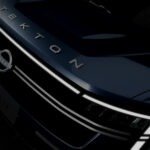

Ask anyone above a certain age about the Tata Sierra, and you’ll probably get a story, not a spec sheet. Maybe it was their dad’s car, or the one parked outside a wedding hall that everyone kept staring at, or just that boxy silhouette with the wraparound rear glass that made it look like nothing else on Indian roads. That’s the kind of goodwill you can’t manufacture overnight. So when Tata decided to bring the name back, they knew they couldn’t just slap a badge on some generic SUV and call it a day.
They didn’t. On June 30, 2026, Tata officially launched the Sierra EV, starting at ₹18.79 lakh (ex-showroom), and deliveries kick off from July 15. And having gone through what it actually offers, I’ll say this much — it’s not just riding on nostalgia. There’s a genuinely well-built electric SUV underneath the familiar shape.

Same Face, Different Heart
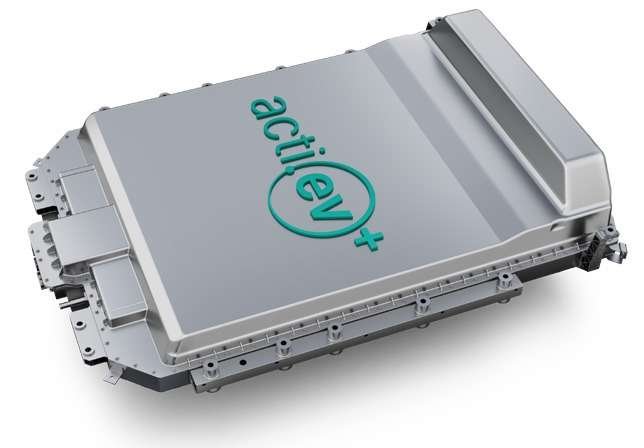
Here’s the thing about reviving an old name — you either lean into it or you chicken out and make it unrecognizable. Tata leaned in. The Sierra EV shares its silhouette and cabin layout with the ICE Sierra that came out a few months before it, but strip away the surface and you’ll find Tata’s Acti.ev+ electric platform underneath — the same architecture that powers the Harrier EV.
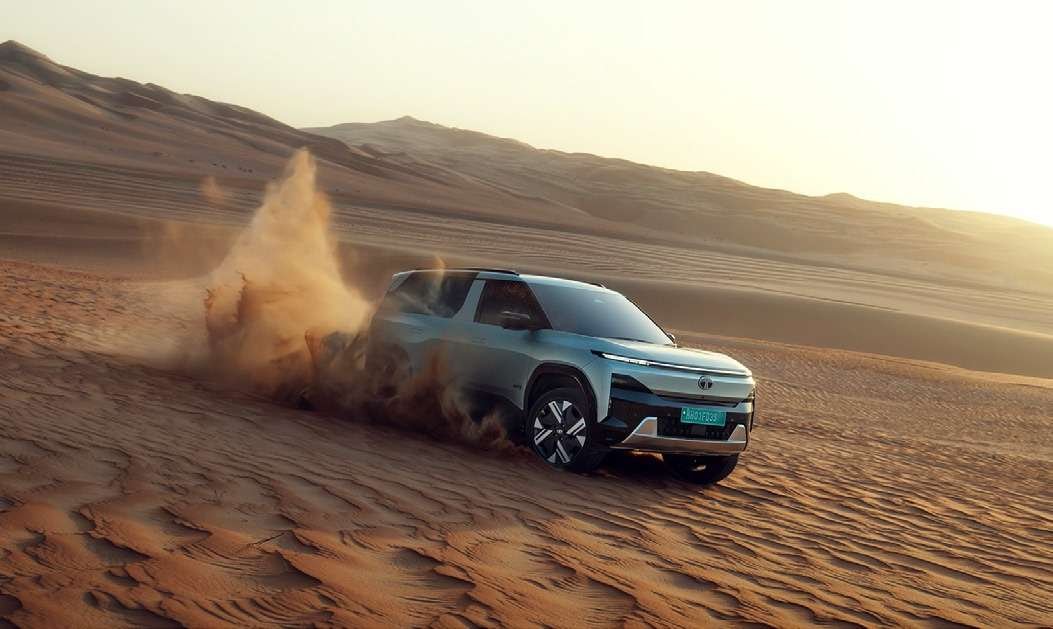
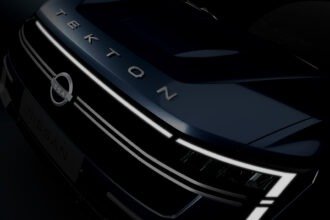
Visually, it’s a nice bit of design storytelling. That upright nose, the tall glass area, the boxy-but-friendly stance — all present and correct. But it’s not pretending to be a museum piece either. You get a slim LED light bar running the full width front and back, door handles that sit flush with the body instead of jutting out, and 19-inch dual-tone alloys that look genuinely current. There’s black cladding around the wheel arches, a two-tone roof, and small EV badges dotted around so people know this one runs on electrons, not diesel. It’s the kind of design that rewards a second look — you recognize it immediately, but it doesn’t feel stuck in 1991.
Getting In, You Notice the Effort
Open the door and the first thing that grabs you is the triple-screen dashboard — three displays stitched together into one wide, immersive setup that genuinely feels a step above what you’d expect at this price. Higher variants get a soundbar-style speaker layout with JBL and Dolby Atmos thrown in, which, for a mainstream Tata product, is a fairly bold flex.
Beyond the tech, there’s real thought put into comfort. The front seats are powered and ventilated, and the driver’s seat remembers your position. People in the back aren’t an afterthought either — they get their own AC vents, USB-C ports, and even a sunshade for the side windows. Add a properly large panoramic sunroof, Tata’s Arcade.ev connected features, and voice control, and the cabin starts to feel less like a Tata trying to catch up and more like Tata setting the pace.
But Does It Actually Move Like an SUV Should?
This is probably the part you’ve been waiting for. The Sierra EV comes with two battery options — 63 kWh and 75 kWh — and depending on which variant you pick, you can go with rear-wheel drive or Tata’s dual-motor Quad Wheel Drive setup, essentially their version of all-wheel drive.
The flagship QWD version makes 306 PS combined, with 504 Nm of torque, and gets from 0 to 100 km/h in 5.8 seconds — not exactly hot-hatch territory, but seriously quick for a family SUV. There’s a Boost Mode for when you need that extra shove, and if you’re less bothered about outright pace, the RWD motor still puts out a healthy 238 PS. As for range, Tata claims up to 665 km on the bigger 75 kWh pack (RWD, MIDC-tested), with the smaller 63 kWh battery good for somewhere between 535 and 565 km. Take those numbers with the usual pinch of salt real-world driving always demands, but even discounted, they’re competitive.
What I actually like is that Tata didn’t stop at straight-line numbers. There are six terrain modes — Normal, Grass/Snow, Mud/Ruts/Gravel, Sand, Rock Crawl, and Custom — which, paired with the QWD system, feels like a genuine nod to what made the original Sierra a bit of an adventurer’s car, rather than just borrowing the name for marketing.
Safety Isn’t an Afterthought Here
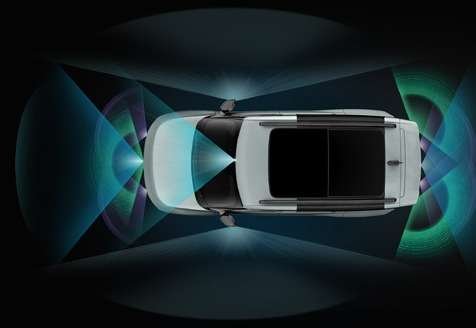
Tata’s been on a bit of a safety-first streak lately, and the Sierra EV continues that. You get Level 2 ADAS with adaptive cruise control, automatic emergency braking, lane keep assist, and blind spot monitoring. There’s also a 540-degree surround camera system with a transparent underbody view, which sounds like overkill until you’re trying to park in a tight spot or crawl over rocks without scraping the underside. Multiple airbags, electronic stability control, hill descent control, and tyre pressure monitoring round things out on the higher trims.
Living With It Day to Day
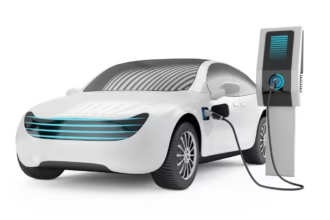
Charging anxiety is real, and Tata seems to know it. DC fast charging takes the battery from 20 to 80 percent in around 26 minutes, and if you’d rather charge at home, a 7.2 kW AC charger is available as an add-on for ₹49,000. There’s also Vehicle-to-Load and Vehicle-to-Vehicle support, so in theory, your Sierra EV could run a projector at a campsite or top up a friend’s EV that’s run dry. And Tata’s backing the high-voltage battery with a lifetime warranty — 15 years from the date you register the car — which should ease some of the usual worry about EV batteries aging badly.
So, Should You Actually Want One?
The Sierra EV is walking into a genuinely crowded room — the Hyundai Creta Electric, Mahindra BE 6, and Maruti e Vitara are all fighting for the same buyer. What the Sierra brings to that fight is a bit different, though: real AWD capability if you want it, a cabin that punches above its price, and a name that still means something to a lot of people who grew up watching one drive past.
If you’re eyeing your first EV, or looking to move on from a petrol or diesel SUV without losing that sense of occasion, the Sierra EV makes a pretty solid case for itself. It looks like something you already know, drives like something built for right now, and comes with a battery warranty long enough to outlast most people’s ownership of the car entirely.
Whether the name alone pulls people in, or the electric powertrain has to do the real convincing once they’re behind the wheel — that’s the open question. But one thing’s clear: Tata didn’t bring the Sierra back just to cash in on people’s memories. They built something that actually has to earn its badge all over again.