




- Super Glide returns to full production
- Deadwood joins the cruiser range
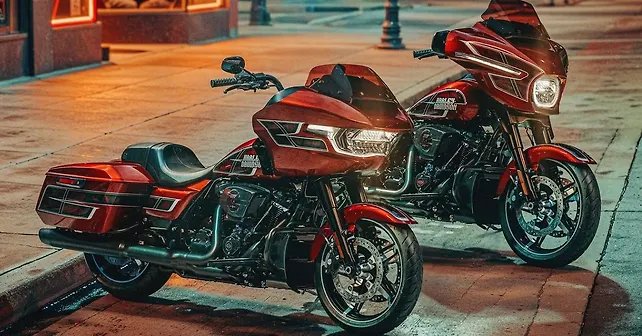
Harley-Davidson has unveiled new cruisers, performance-oriented touring motorcycles and several limited-edition models for the 2027 MY. This includes the return of the Super Glide to full production, the introduction of the Deadwood, three new ST touring motorcycles that we mentioned earlier and five premium CVO models. The company has also introduced exclusive paint schemes and special editions across its existing range.
Introduced in limited numbers during 2026, the Super Glide will enter full production for the 2027 model year and become available across Harley-Davidson’s global markets. New Super Glide draws inspiration from the original FX models of the 1970s, combining extensive chrome detailing, traditional proportions and a relatively simple appearance.

Super Glide uses a 1,923cc Milwaukee-Eight 117 Classic V-twin engine producing 98bhp in its American spec. The engine is housed in Harley-Davidson’s modern Softail chassis backed by a rear monoshock with adjustable preload. This motorcycle retains several traditional design elements including wire-spoke wheels, mini-ape handlebars and mid-mounted foot controls.
The 2027 model also receives an 18.9-litre teardrop-shaped fuel tank with revised graphics, a 5-inch instrument display and tubeless spoked wheels. It will be offered in Vivid Black, Oxblood Metallic and Acid Wash Blue.
Another addition is the Deadwood which features an extensive blacked-out finish, a compact detachable windscreen, a solo seat and relatively low proportions. Unlike the Super Glide, which draws heavily on chrome detailing, the Deadwood concentrates on a darker and more stripped-back appearance.
Deadwood also uses the Milwaukee-Eight 117 Classic engine on the Softail chassis. However, the motorcycle receives a shorter rear monoshock giving it a lower stance. Black wire-spoke wheels, a compact front windscreen and revised bodywork further distinguish the model. While the lower seat could improve accessibility, that reduced rear suspension travel may influence comfort on uneven roads.