





Ask anyone shopping for one of the fuel-efficient bikes in India today what matters most, and nine times out of ten the first word out of their mouth is “mileage.” Not colour, not looks, not even brand half the time. Petrol prices haven’t given anyone a break, and that’s really all the explanation you need.
Yes, electric scooters are everywhere on Instagram right now. Every second ad in your feed seems to have one gliding silently past a park. But go stand in an actual showroom in a tier-2 town on a Sunday and you’ll notice something the ads don’t show you — petrol commuters are still the ones getting booked and driven off the floor same-day. They’re cheaper upfront, your neighbourhood mechanic already knows how to fix one blindfolded, and you’re never stuck wondering if you’ll make it to the next charging point (because there usually isn’t one).
So here’s my honest, updated list of the most fuel-efficient bikes in India for 2026 — plus a few things I think are worth knowing before you write that cheque.
Okay, But Does Mileage Even Matter Anymore?
Look, EVs are getting better every year, I won’t pretend otherwise. But step outside the metros and charging infra basically thins out to nothing. Range also takes a hit in traffic, and don’t even get me started on what a 45°C May afternoon does to a battery pack. If you’re in a smaller town or anywhere rural, honestly, a good petrol commuter is still the safer bet.
And mileage isn’t just some brochure number to brag about at a chai stall — it’s real rupees leaving your pocket, every single week. If you’re commuting to office daily, or worse, doing delivery runs where your odometer ticks past 60-70 km before lunch, even 2-3 extra km/l starts to feel like a real difference by the time the month ends. Stretch that over a year and a “good” commuter versus an “okay” one can be a few thousand rupees apart. Not huge, but not nothing either.
How I Actually Picked These Fuel-Efficient Bikes in India
I didn’t just copy numbers off spec sheets (a lot of these lists online clearly do). This is a mix of ARAI-certified figures, what actual owners are saying in forums and Facebook groups, plus some of what I’ve picked up from test rides and hanging around service centres. Claimed mileage is always a bit optimistic — real city traffic, a pillion, no AC on a scooter obviously but you get the point — so wherever I could, I leaned toward what riders actually report rather than what’s printed on the box.
The List: Fuel-Efficient Bikes in India for 2026
Hero HF Deluxe — still probably the most no-nonsense economical bike you can buy. The 97.2cc engine isn’t exciting, but it doesn’t need to be. Hero claims 70+ kmpl and real owners are getting 60-65 in city traffic, which honestly checks out. Under ₹60,000 ex-showroom too, so it’s one of the cheapest ways into two-wheeler ownership, full stop.
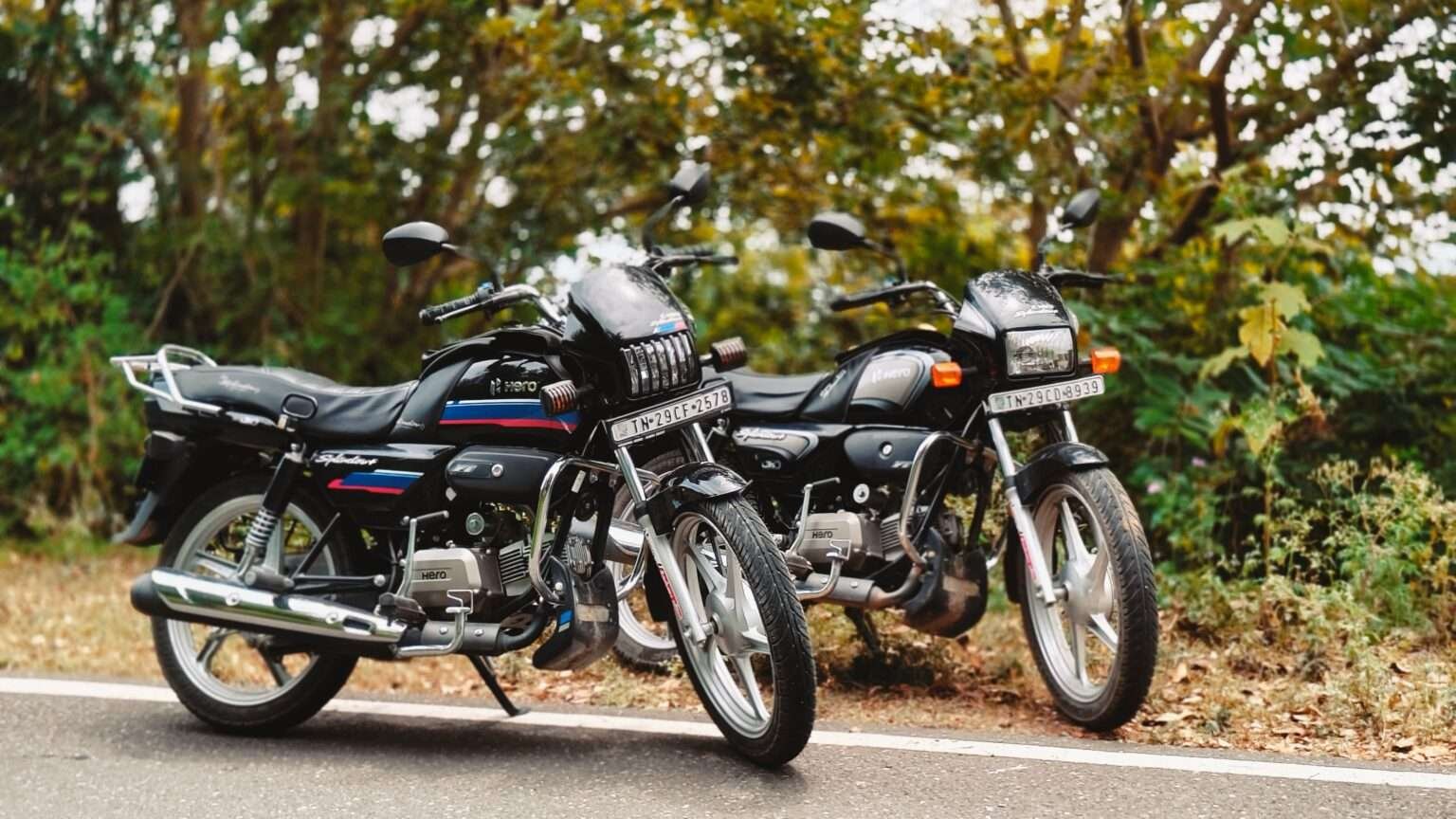
Hero Splendor Plus — this is basically the bike an entire generation of Indians learned to associate with “reliable.” The 100cc motor is tuned purely for sipping fuel rather than any kind of thrill, claimed 65-70 kmpl. What really seals it though is that literally every small-town mechanic in the country can service one blindfolded, which matters a lot once your warranty runs out and you’re on your own.
Bajaj Platina — built around comfort more than anything, and it shows — the seat and riding posture are noticeably softer than most of what’s on this list. ComforTec suspension soaks up bad roads well. Claimed mileage sits around 70 kmpl, and it’s a genuine favourite among people who spend hours in the saddle every day rather than a quick 20-minute commute.
Honda Shine — a nice middle ground between smooth power and solid efficiency, which is exactly why office commuters love it. The 125cc engine has a bit more pep than the 100cc bikes here without giving up much — still a claimed 65+ kmpl. Honda’s reliability name and its massive service network do a lot of the heavy lifting on the appeal front too.
TVS Sport — no frills, cheap to run, and it keeps winning over riders who just want low running costs and nothing else. It’s one of the lighter bikes here, which probably helps its claimed 65-70 kmpl, and the low seat height makes it an easy pick as a first bike.
Bajaj CT 110X — a bit of a workhorse, popular in semi-urban and rural areas because it just refuses to die. The CT series has always been built for bad roads, overloading, and minimal servicing, and somehow the 115cc engine still manages 65-70 kmpl claimed even after years of being treated roughly.
Honda SP 125 — gives you a sportier look, LED lighting, part-digital console — without really giving up much on the fuel economy front. Uses Honda’s eco-tuned engine, claimed around 65 kmpl, and that number holds up reasonably well in mixed city-highway riding based on what owners say.
TVS Radeon — sits just a notch above the TVS Sport in the lineup, slightly better fit and finish, and a claimed 65-69 kmpl depending on which variant you pick. Solid value pick if you want a bit more polish without paying a lot extra.
Hero Passion Pro — more refinement, nicer switchgear, feels a touch more premium than the basic commuters — but still claims 65+ kmpl. Good option if you want something that doesn’t feel too stripped-down parked next to costlier bikes.
Bajaj Pulsar 125 — proof that even a lighter, sportier-looking bike can still be commuter-friendly on fuel. Borrows styling from the bigger Pulsars, but the smaller engine keeps claimed mileage around 50-55 kmpl. Lowest on this list, sure, but still respectable given it’s got actual sporty intent behind it.
Petrol vs Electric — Quick Gut Check
I’m not writing this to talk anyone out of an EV. If you’ve got a fixed daily commute, live in a city, and have somewhere to plug in overnight, an electric scooter genuinely works out cheaper per km than anything on this list. No argument there.
But that math falls apart fast the moment your situation isn’t that clean. Long, unpredictable routes. Shared parking with zero charging points. Areas where power cuts eat a few hours out of your day. All of that tilts things back toward petrol pretty quickly.
There’s also resale to think about, which people forget. A five-year-old Splendor or HF Deluxe still has a healthy resale market, and any local mechanic can fix one in an afternoon without blinking. A five-year-old electric scooter? Battery health and what a replacement pack will cost you is still a pretty big unknown for most buyers right now, and that uncertainty is worth pricing in mentally even if it’s hard to put a number on it.
Small Things That Actually Improve Your Mileage
None of this needs a tuning shop or fancy gadgets. Mostly it’s stuff people just stop doing once the warranty ends.
- Keep your tyres at the right pressure. Always. Under-inflated tyres quietly cost you a couple of kmpl and you won’t even notice it happening.
- Don’t skip servicing or oil changes. Old oil makes the engine work harder than it should, and that shows up directly as worse mileage.
- Go easy on the throttle and brakes. Smooth, steady riding in traffic is probably the single biggest thing separating good mileage from average mileage on the exact same bike.
- Use the fuel grade your manufacturer actually recommends. Saving a few rupees with a lower grade usually costs you more later through poor combustion and extra wear.
- Clean or replace your air filter on schedule. A clogged one chokes airflow, and the engine burns more fuel just to keep up.
- Adjust tyre pressure when you’re carrying a pillion or luggage. Riding “solo pressure” with extra weight on board quietly eats into mileage over longer rides.
Quick Questions People Usually Ask
Which bike here actually gives the best real-world mileage? Between these ten, the Bajaj Platina and Hero HF Deluxe tend to come out ahead in real use, with a lot of owners reporting 65-70 kmpl in normal city riding. Your actual number still depends a ton on riding style, traffic, and upkeep though.
Should I just get a 100cc bike instead of a 125cc one, purely for mileage? Not really, no. A 125cc like the Honda Shine or SP 125 barely gives up anything on mileage compared to the 100cc commuters these days, and you get noticeably better performance for overtaking or highway stretches. Unless every single kmpl genuinely matters for your budget, I’d lean 125cc.
Does riding style actually change mileage that much? More than people expect, honestly. Two identical bikes, two different riders, and you can see a 10-15 kmpl gap purely from throttle habits and how aggressively someone brakes. Riding smooth and shifting up early is basically a free upgrade.
Mileage is one piece of the puzzle, even if it’s the first thing everyone asks about. Service costs, how easy spares are to find in your area, insurance, resale — all of it adds up just as much over a couple of years of ownership. A bike with slightly better mileage but a painful service experience can end up costing more overall than one that’s a kmpl or two behind on paper.
Test ride more than one before deciding if you can manage it, talk to actual owners in your area, and don’t buy purely off a brochure number. Head over to our full reviews section on Revvmates if you want more detailed, ride-tested breakdowns before you settle on your next bike.






Hi there, You have done an incredible job. I’ll definitely digg it and personally suggest to my friends. I am sure they will be benefited from this website.