




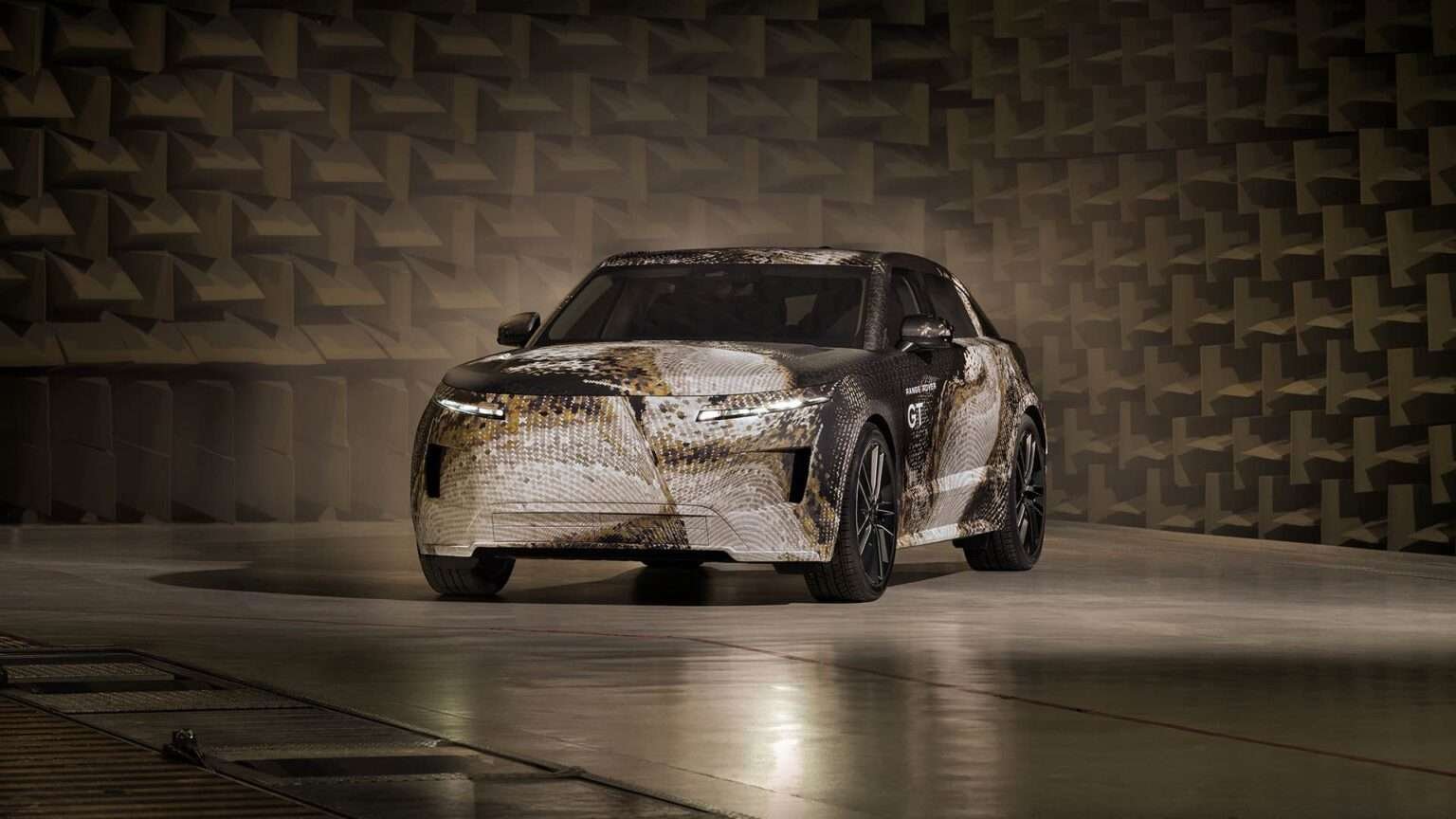
Range Rover doesn’t add new models very often. Think about it — the last time the lineup actually grew was back in 2017, with the Velar. So when the brand quietly confirms a fifth model, it’s not a small thing. And this one isn’t just another SUV with a new badge on it. The Range Rover GT is a low-slung, all-electric grand tourer, and honestly, it looks like nothing else Range Rover has ever made.
If you’re into EVs and want to see how other manufacturers are approaching this same shift, we’ve been covering a lot of it over on RevvMates — worth a look if you want the bigger picture beyond just this one car.
Okay, But Why Does It Look So Different?
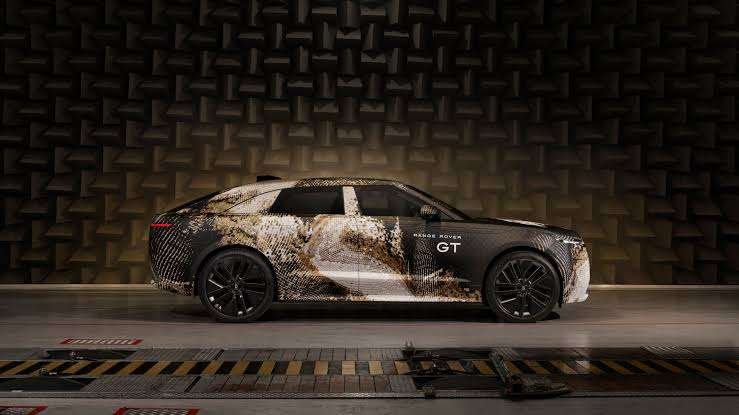
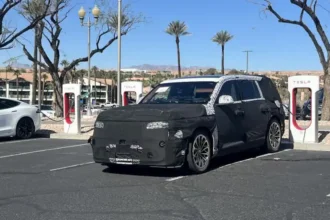
Even in camo wrap, you can tell something’s changed. The roofline is long and sloped, almost like it’s trying to be a coupe rather than an SUV. And it sits low — lower than a Porsche Macan, according to Range Rover, which is a strange sentence to type given the brand’s history of tall, upright off-roaders.
At the same time, it’s longer than a Range Rover Sport, and the wheelbase looks to stretch past three metres. That usually means one thing: stability at speed. This is a car built to be comfortable eating up motorway miles, not necessarily climbing over rocks — though it’ll still send power to all four wheels, so the brand hasn’t abandoned its roots entirely.
The reason it can look this different comes down to what’s underneath it. Instead of sharing a platform with the petrol and hybrid Range Rovers, the GT is built on JLR’s brand-new EMA architecture — a platform designed specifically around electric power from day one, rather than adapted from a combustion car. That’s really what unlocked this shape.
There’s Still a Ton of Room Inside — Somehow
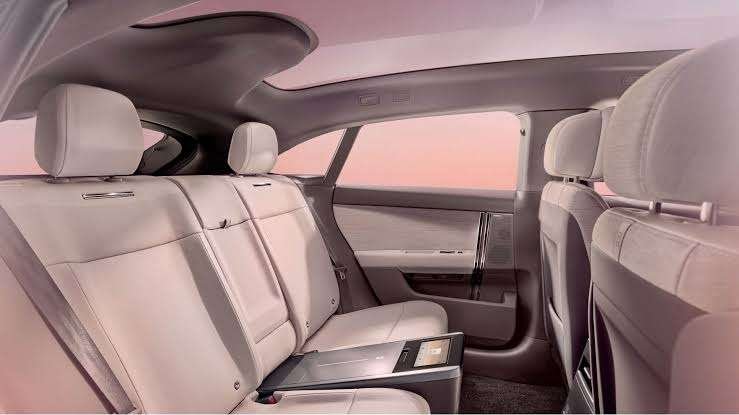
Usually, when you drop a car’s roofline this much, you sacrifice space. Range Rover insists that’s not the case here. The battery is made up of longer cells laid out in a single layer instead of stacked, so the floor doesn’t need to sit higher to make room for it. A large fixed glass roof adds a bit more headroom on top of that, and the brand claims even tall passengers should be comfortable in either row.
There’s also a front trunk, which is more notable than it sounds — the current Range Rover Electric doesn’t have one, since it’s built on the older, combustion-based platform. Small detail, but it says a lot about how different this car really is mechanically.
Quiet seems to be the whole point, actually. Martin Limpert, Range Rover’s Managing Director, has called this the quietest Range Rover the company has ever built — reportedly around 7 decibels quieter than the standard petrol version, which is a genuinely big jump in a cabin. Combine that with how smooth electric motors already feel, and the picture that emerges is a car built for calm, not adrenaline.
Range Rover hasn’t released battery size or range figures yet, but given the size of the car, expect something built for long stretches between charges rather than short hops. It’ll launch purely electric, with a hybrid version arriving later down the line — for anyone not quite ready to go all-in on EV just yet. If you want to compare that approach against other EV rollouts we’ve tracked, RevvMates has a growing archive worth digging into.
Step Inside and It Feels… Calmer
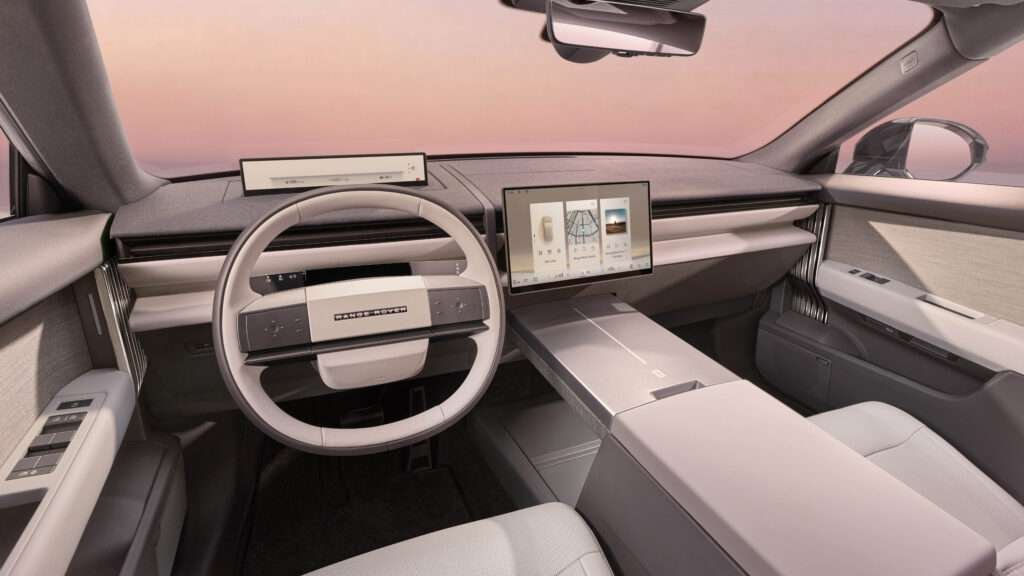
The cabin follows the same “less is more” idea. There’s one large OLED screen up front, paired with a smaller display just for the driver instead of a full digital instrument cluster. The thinking here is simple — less stuff competing for your attention while you’re driving.
Little touches reinforce that. There’s a hidden air vent running the entire width of the dashboard instead of separate vents dotted around, and the speakers are actually built into a woven fabric covering the dash rather than sitting as visible grilles. If you like physical buttons for everything, you might not love this cabin — but Range Rover is clearly betting that fewer controls means an easier, not harder, experience.
Rear passengers get plenty of attention too. Legroom in the second row is said to be class-leading, which tracks given how long this car is and how much space the new platform frees up. This feels like a car built to make the back seat somewhere people actually want to sit, not just an afterthought behind the driver.
So What’s the Actual Point of All This?
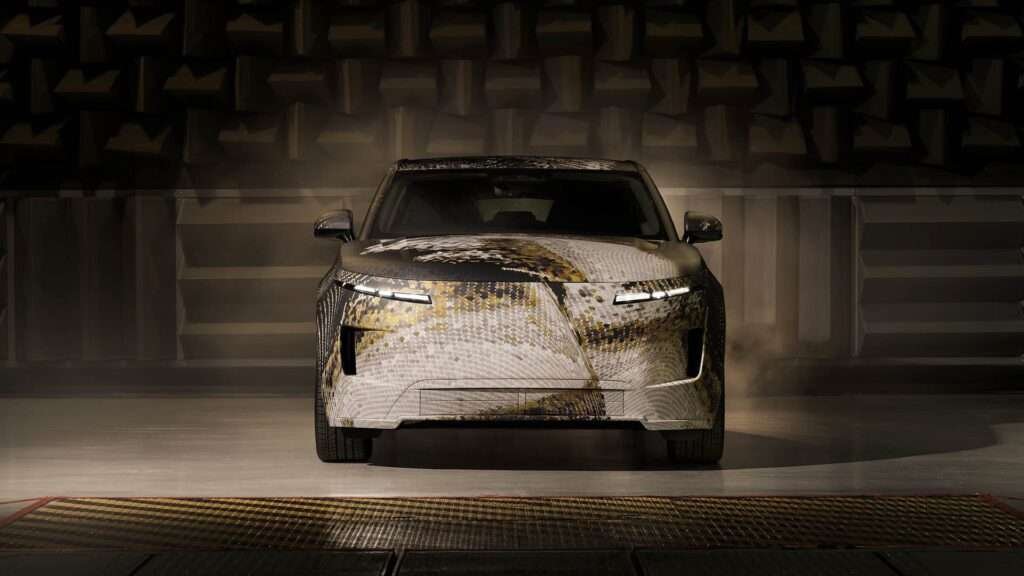
Right now, prototypes are out testing globally, wrapped in a custom camouflage pattern inspired by the landscape around Gaydon, where Range Rover’s design team is based. It’s a small detail, but it hints at the shape underneath without giving too much away just yet.
According to Land Rover’s official announcement, the GT is meant to deliver “beautiful and engaging GT poise, proportions and long-distance refinement” alongside capability no traditional grand tourer offers — all built on the new electrified EMA platform.
That’s really the story here. This isn’t a smaller, sportier version of a Range Rover. It’s the brand rethinking what a Range Rover can even be, now that it’s not boxed in by the packaging demands of a combustion engine.
It’ll be built at the Halewood plant in the UK, right alongside the existing petrol and hybrid models. And based on everything shown so far, it looks like the car that finally drags Range Rover’s grand-touring ambitions into the electric era — without losing the sense that it’s still, unmistakably, a Range Rover.
For more coverage on the shift toward electric performance and luxury vehicles, check out more stories at RevvMates.