





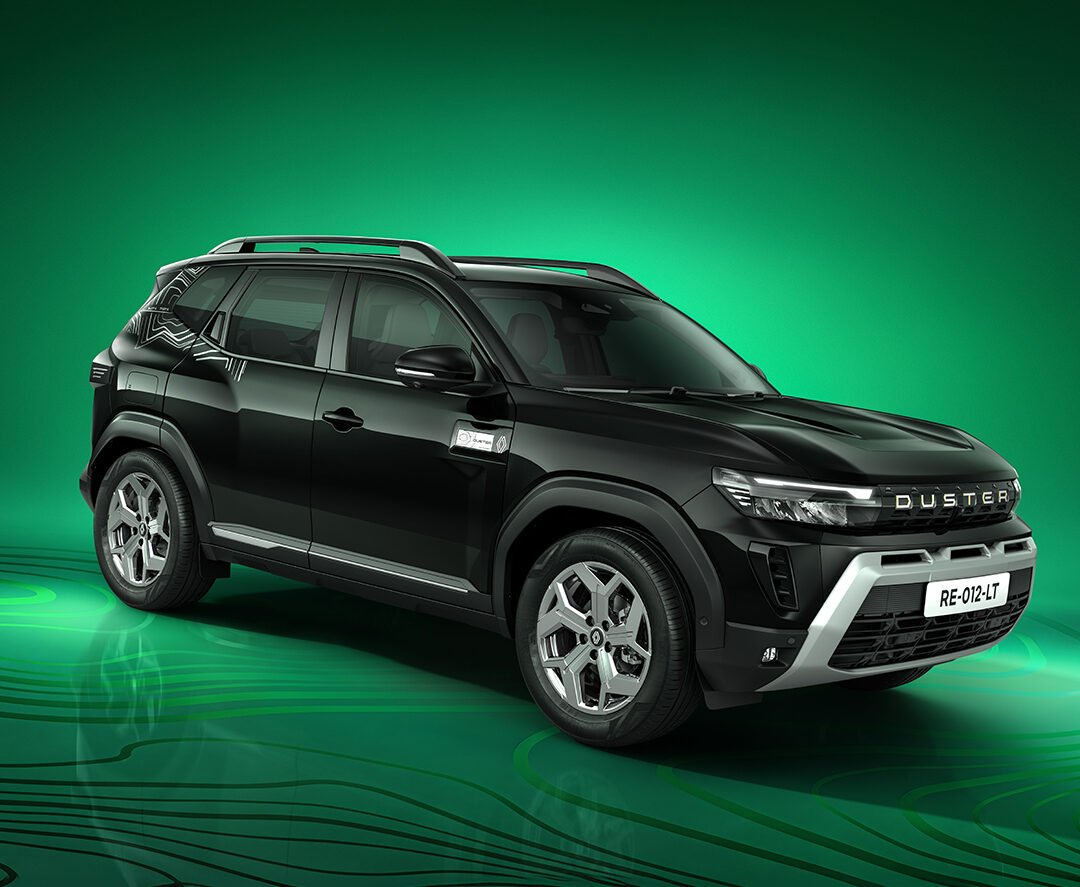
Okay so if you’re stuck trying to figure out the 2026 Renault Duster engine and gearbox situation, I get it — Renault gives you three real choices here, and none of them is a “bad” one, which honestly makes it harder to decide, not easier. I’ve been going back and forth on this myself while helping a friend shortlist his next SUV, so let’s just talk through it properly instead of throwing spec-sheet numbers at you and calling it a day.
Quick bit of context before we get into engines: the original Duster basically started the whole affordable-compact-SUV thing in India, way back. And the new one hasn’t lost that reputation either — it actually beat out the Kia Seltos, Tata Sierra, Skoda Kushaq and the VW Taigun facelift in a recent poll among car enthusiasts. Not a small thing considering how packed this segment is right now.
Anyway. Here’s the table first for anyone who just wants the numbers, and then I’ll get into what each one actually feels like to drive, because that’s the part that really matters.
The Numbers, Quickly
| Engine | Power / Torque | Gearbox | Who it’s really for |
|---|---|---|---|
| 1.0L, 3-cyl Turbo-Petrol | 99 BHP / 166 Nm | 6-speed Manual (only) | People watching the budget who don’t mind shifting gears themselves |
| 1.3L, 4-cyl Turbo-Petrol | 161 BHP / 280 Nm | 6-speed Manual | Anyone who actually enjoys driving, not just commuting |
| 1.3L, 4-cyl Turbo-Petrol | 161 BHP / 280 Nm | 6-speed DCT | City folks, traffic-heavy commutes, convenience over thrills |
| 1.8L Strong-Hybrid | Not out yet | Automatic | Buyers okay waiting a few months for efficiency numbers |
Right, table’s done. Now the actual stuff.
1.0L Manual — the “budget” one that doesn’t feel budget
So this is the entry point. 99 BHP, 166 Nm, and — this is the annoying part — manual only. No automatic version at all, which feels like a weird call on Renault’s part given how many people specifically want a two-pedal car these days, especially first-time buyers in cities.
That said, I wouldn’t write this variant off. It’s not underpowered in a way that feels miserable, and more importantly Renault hasn’t cheaped out on the parts that actually matter every day — the suspension still shrugs off bad roads like the pricier trims, the cabin doesn’t feel stripped down, and it drives with the same sorted-ness the bigger engine has. It’s just… less muscle, basically.
If Renault ever adds a CVT to this engine (and honestly they probably should), this would instantly become a much easier recommendation.
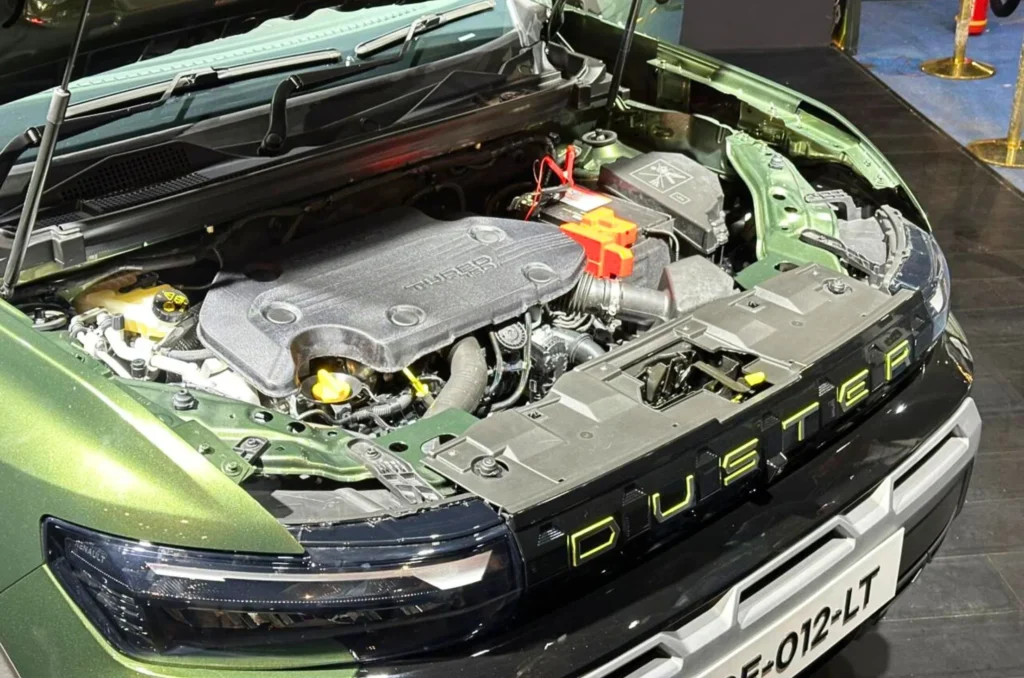
1.3L Manual — this is the one people keep talking about
Now we’re talking. 161 BHP, 280 Nm, and paired with a manual gearbox that’s honestly better than it needs to be for this price bracket. Well-defined gates, not too long in the throw, no notchy resistance when you’re rushing a shift — it just works.
I’ve heard a few different opinions on this gearbox, to be fair. One driver mentioned the throws felt a bit vague and the clutch heavier than expected on a track test unit, though that might’ve just been a heavily-used test car rather than how it drives normally — worth keeping in mind if you’re going off one review alone. Most people who’ve spent real time with it, though, come away liking it a lot.
The engine wants to stay on boost, so you do need to keep the revs up a bit if you want it to feel quick — which, once you get the hang of it, is kind of the fun part. It’s not often you find a car in this segment that actually rewards a bit of enthusiasm from the driver instead of just doing the bare minimum.
1.3L DCT — for when you just want to get somewhere
Same engine, same numbers, but now with a 6-speed dual-clutch auto instead. This is the one I’d tell most city-dwelling friends to go for, honestly. It’s tuned to be relaxed — ease off the throttle and it just quietly does its thing in the background, shifting without drawing attention to itself. It also hides turbo lag pretty well at low speeds, which matters a lot when you’re doing the usual stop-start crawl through traffic.
Not perfect though. In real Indian traffic — where your foot’s constantly going on and off the throttle — the DCT can get a little jerky at low speeds. Not a dealbreaker for most people, but it’s the kind of thing you should feel for yourself on a test drive rather than just take my word for.
There are paddle shifters too if you want to feel like you’re in control occasionally, even if you’re probably not going to use them much day to day.
So which one do I pick?
Honestly? Depends on what kind of driver you are, more than what your budget says.
If money’s tight and you don’t mind rowing your own gears — 1.0L manual, don’t overthink it.
If you actually like driving and want something that feels a bit special every time you’re behind the wheel — 1.3L manual, no contest.
If your commute is 80% traffic and 20% patience — get the DCT, you’ll thank yourself in six months.
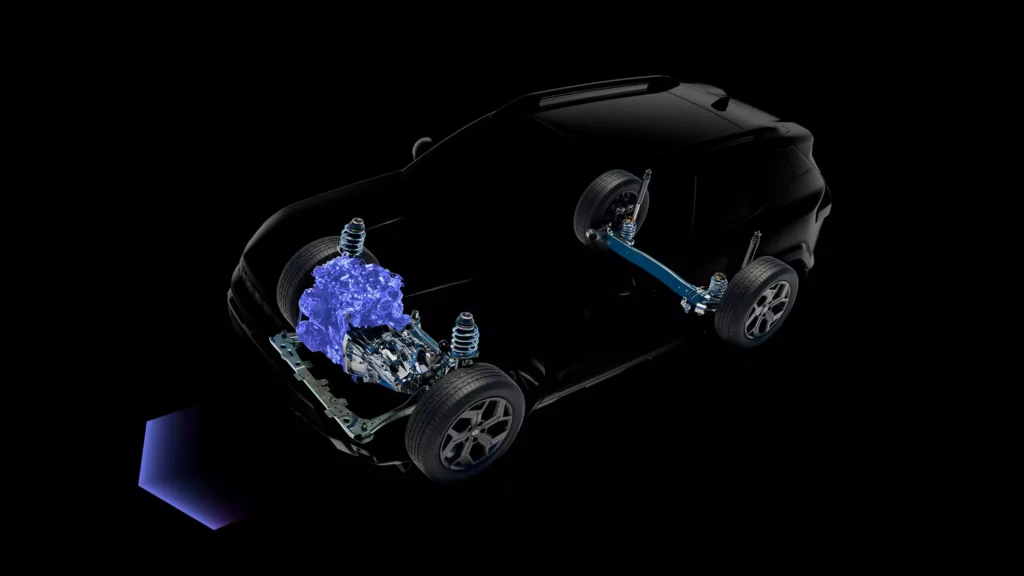
And if you can wait, the 1.8L hybrid is coming later this year for anyone chasing better mileage over outright fun.
There isn’t really a “wrong” answer among these three, which is kind of rare for this price bracket. Most brands give you one good engine and two watered-down versions of it. Renault seems to have actually tried with all three here.
If you’re still torn, we’ve got a proper side-by-side in our Duster vs Seltos comparison and a full write-up in our Renault Duster review — both worth a read before you sign anything. There’s also a broader roundup of compact SUVs on RevvMates if you’re not 100% sold on the Duster yet either.
Some of the driving impressions here are pulled from real owner discussions over on Team-BHP, which is usually where I go first before believing any manufacturer’s brochure copy.
Let me know in the comments which one you’re leaning toward — I’m genuinely curious if most people here go DCT or manual, because it feels pretty split from what I’ve seen so far






I like what you guys are up too. Such clever work and coverage! Keep up the superb works guys I’ve incorporated you guys to our blogroll.