





Remember when it felt like every car ad, every keynote, every “future of mobility” panel was basically saying the same thing? Electric is inevitable, combustion is dying, just a matter of time. It was a nice, clean story. Easy to repeat.
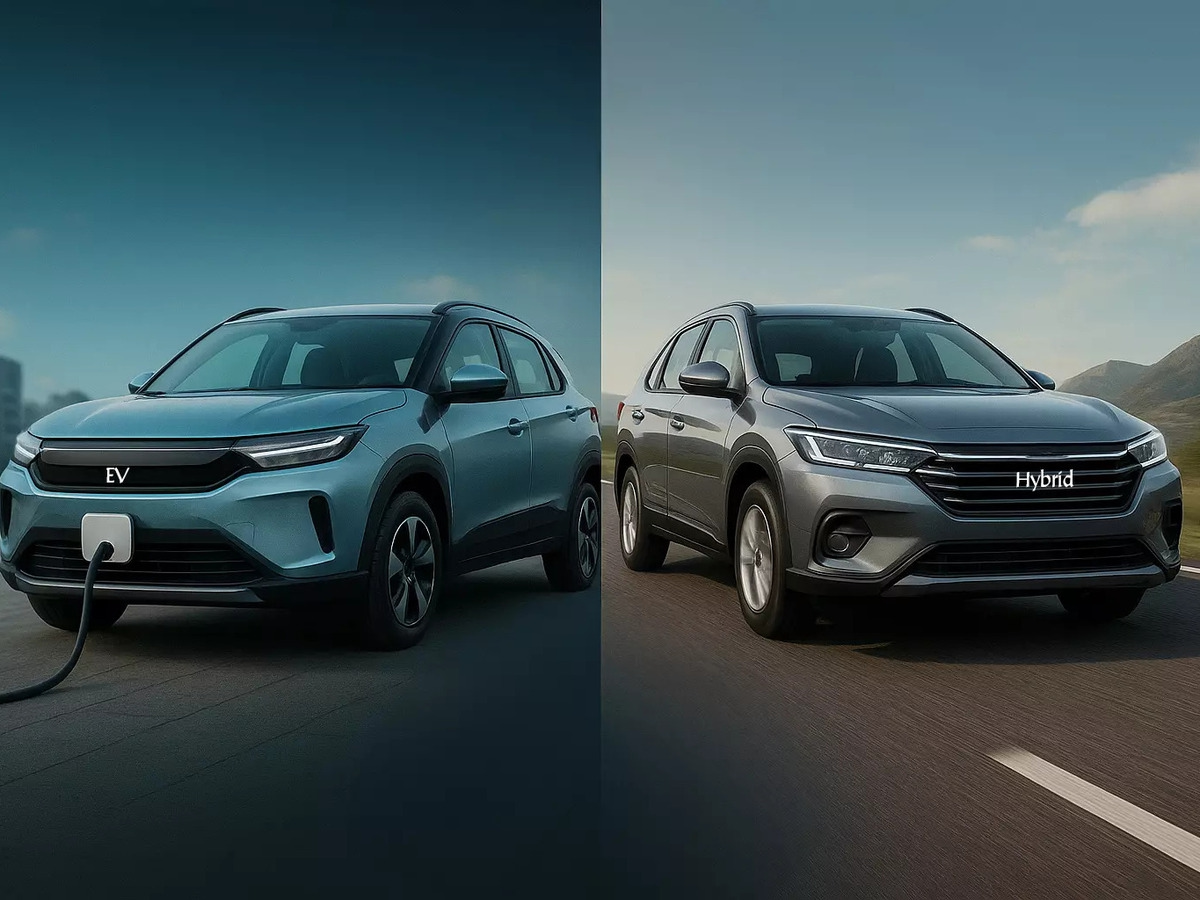
Except somewhere along the way, that story got a lot messier. And honestly, messier is probably more honest. Because what’s actually happening in 2026 isn’t a straight march toward all-electric everything — it’s an EV hybrid strategy taking shape instead, with automakers and bike makers quietly hedging their bets, spreading their chips across a few different squares instead of shoving everything onto one.
Lexus Isn’t in a Hurry Anymore
Lexus put out its future product roadmap recently, and if you were expecting “full EV lineup, here we go,” that’s not really what happened. Instead there’s this interesting mix: a slower, more deliberate EV rollout paired with a few genuinely surprising calls — like bringing back the LFA, that legendary supercar nameplate, except now as an electric vehicle. There’s also a new three-row electric crossover in the pipeline called the TZ. And then, almost as a counterweight, the Century is coming back too — a nameplate that’s basically the definition of old-school, traditional luxury.
That’s a weird combination if you think about it for more than a second. Why revive a futuristic supercar as an EV while simultaneously bringing back one of your most old-fashioned, heritage-heavy models? I think the answer is pretty simple, actually: Lexus isn’t betting the whole company on one version of the future. They’re betting that different customers want genuinely different things, and trying to force everyone into the same electric mold might just alienate half of them.
Meanwhile, California’s Not Slowing Down at All
Now, not everyone’s playing it cautious. Governor Gavin Newsom signed off on a $600 million incentive package in California, and part of that includes a fresh instant rebate for people buying EVs. The goal, pretty explicitly, is to keep California looking like the leader in clean transportation — a title the state clearly doesn’t want to give up.
So you’ve got this odd contrast happening at the same time: automakers pumping the brakes a little on how fast they push EVs, while at least one major state government is doing the opposite, throwing money at the demand side to keep the momentum going. Two different players, two different instincts, same industry.
And Yeah, Bikes Are Doing This Too
It’s not just a four-wheel phenomenon, either. Motorcycle manufacturers are running the exact same playbook of “don’t put all your eggs in one basket.”
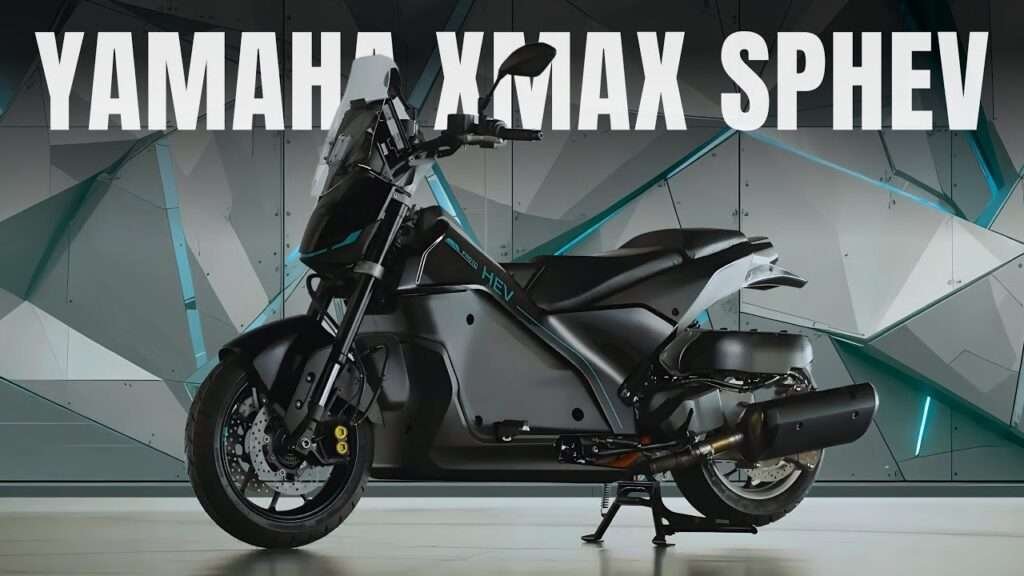
- Yamaha is apparently building a hybrid, twin-motor scooter. Not full electric, not full combustion — something in between, presumably aimed at riders who aren’t totally sold on either extreme yet.
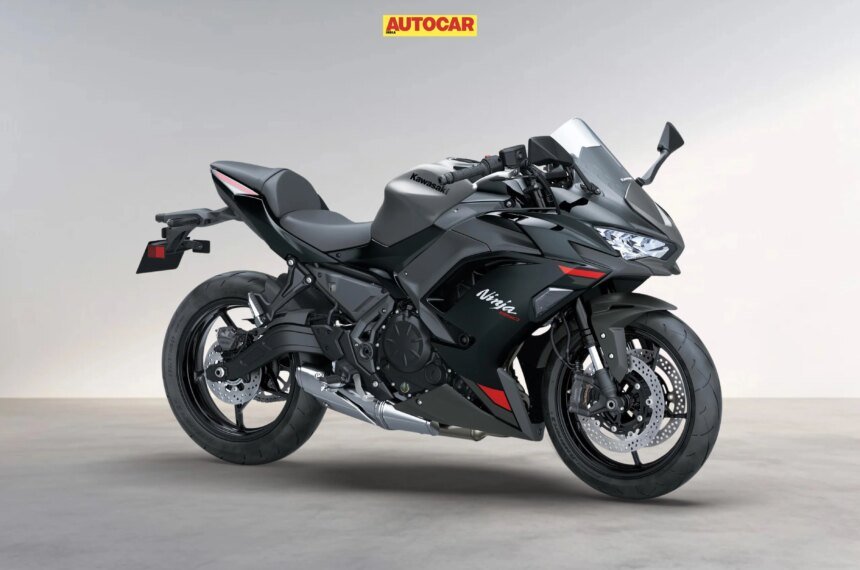
- Kawasaki, meanwhile, is going in a completely different direction: liquid hydrogen. That’s not a small tweak to an existing engine — that’s a genuinely different fuel technology, and a pretty bold one to be investing real research money into while everyone else argues about batteries.
These aren’t side projects some intern cooked up to look innovative on a slide deck. Developing a hybrid drivetrain or a hydrogen-powered engine takes serious money and years of engineering work. Companies don’t do that unless they actually believe there’s a real market for it down the line.


Okay, But Why Is This EV Hybrid Strategy Happening Now?
A few things seem to be feeding into this shift, at least from where I’m sitting:
- EV demand grew, but not evenly, and not as fast as some projections assumed it would. Range anxiety is still a real thing for a lot of buyers. So is charging infrastructure — or the lack of it, depending where you live. And price sensitivity hasn’t gone anywhere either.
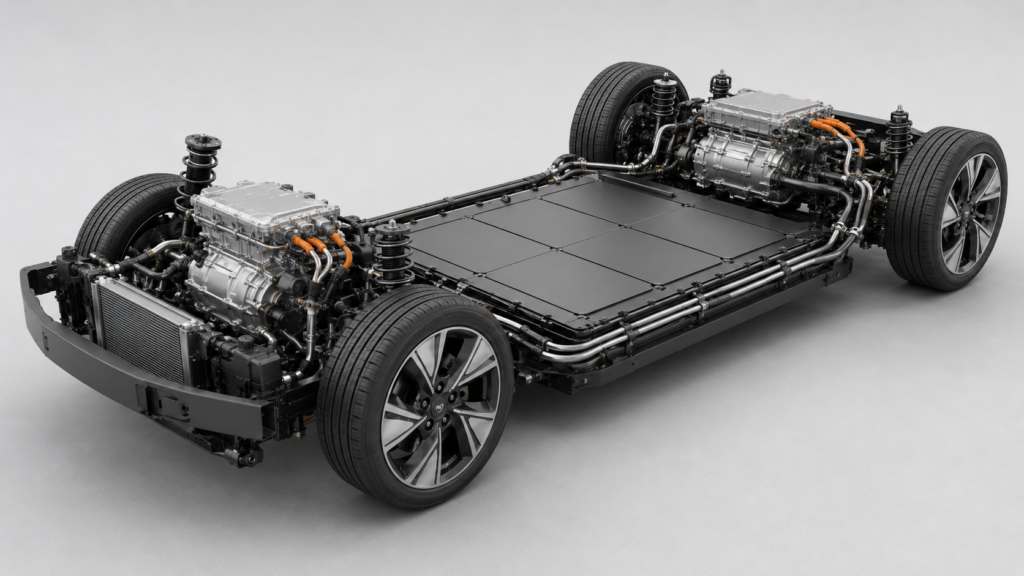
- Battery tech and the supply chains behind it are still figuring themselves out. Hybrids and alternative fuels can act as a kind of bridge while battery costs and materials sourcing keep maturing, rather than forcing everyone to wait for perfect EV economics before buying anything new.
- Not every region wants, or is ready for, the same solution. What makes sense in California, with its incentives and charging network, doesn’t automatically translate to a place with a totally different regulatory setup or infrastructure situation.
- Heritage still sells, and companies know it. Names like the LFA or the Century carry decades of brand meaning that automakers clearly aren’t willing to just hand over to an EV-only future, at least not yet.
So, Where Does That Leave Things?
I don’t think this is a retreat from electrification — it’s more like the industry growing up a bit and admitting that “everyone goes electric, all at once” was maybe a little too tidy of a story to begin with. This emerging EV hybrid strategy looks more like a portfolio: EVs where the market’s actually ready for them, hybrids for the messy in-between phase, and even things like hydrogen for people willing to bet on a totally different long-term answer.
The electric future everyone kept promising is still coming. It’s just not going to arrive down one single road — it looks like it’s going to show up from a few different directions at once, and honestly, that’s probably a more realistic way for any of this to actually work.
This is a general overview based on recent reporting, not a precise breakdown of every model timeline, incentive figure, or technology roadmap — those details are still moving targets and worth double-checking against manufacturer or government sources if you need exact numbers.
Related Reading on Revvmates
- The Electric Car Revolution Just Hit a Speed Bump — And Hybrids Are Cashing In
- Range Rover Just Built Something That Isn’t an SUV — And It’s Electric
- Honda Prologue EV Discontinued: What Actually Happened and Why It Matters
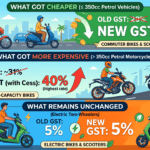
- GST Rate Cut on Bikes and Scooters: What Actually Got Cheaper (And What Didn’t)
External Source
Featured Image Suggestion
Something showing an EV plugged into a charging station works well as the lead image — it visually captures “electrification” without pointing at one specific brand or model, which fits a piece that’s really about industry-wide strategy rather than a single car. Alt text idea: “Electric vehicle connected to a charging station, symbolizing the industry’s shift toward EVs and hybrids.”








An impressive share, I just given this onto a colleague who was doing a little analysis on this. And he in fact bought me breakfast because I found it for him.. smile. So let me reword that: Thnx for the treat! But yeah Thnkx for spending the time to discuss this, I feel strongly about it and love reading more on this topic. If possible, as you become expertise, would you mind updating your blog with more details? It is highly helpful for me. Big thumb up for this blog post!