

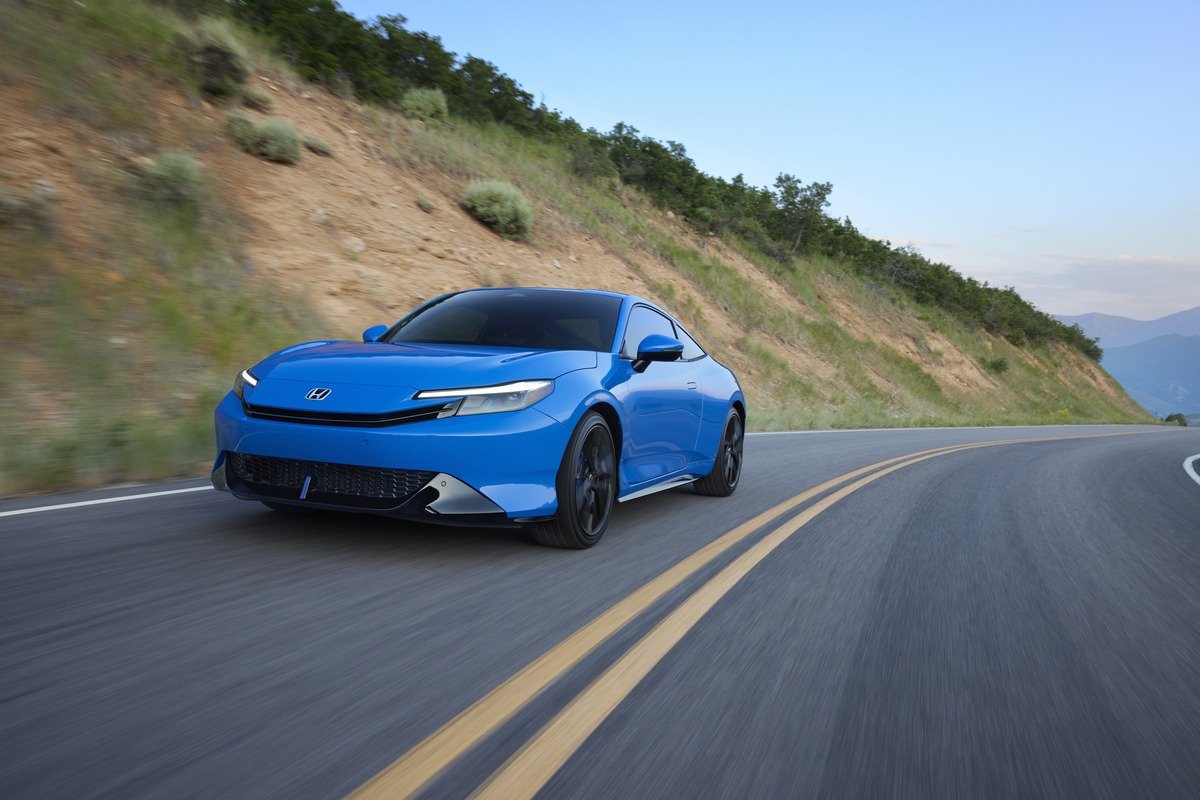
So it’s official now. Honda Prologue EV discontinued after the 2026 model year — and honestly, if you’ve been following this story since March, you probably saw it coming.
Back then, rumors started swirling that Honda was quietly pulling the plug on the Prologue. Honda denied it. Flat out said it wasn’t happening. Fast forward a few months, and here we are, with the company confirming exactly what it had shot down before.
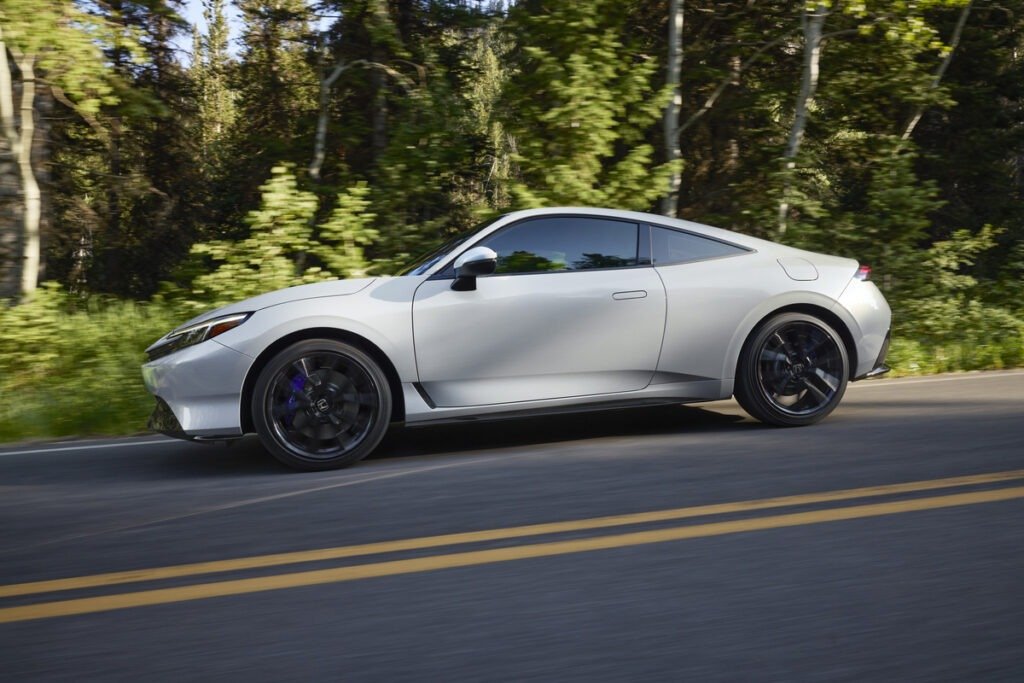
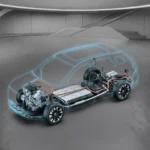
For anyone who doesn’t know the backstory, the Prologue wasn’t really a “Honda” EV in the traditional sense. It was built by General Motors, riding on GM’s Ultium platform, badged as a Honda. It was basically a shared effort between the two companies to get an electric SUV on the road faster than either could manage alone. And to be fair, it actually sold pretty well for a while — it wasn’t some flop nobody wanted.
But here’s the thing about these joint-venture cars: they only make sense as long as both sides are getting something out of the deal. GM has been rethinking its EV strategy a lot lately, and Honda has its own electric platform (the Honda 0 Series) that it’s clearly betting on instead. So keeping a GM-built EV around while you’re trying to launch your own home-grown electric lineup starts to look a little redundant.
What does this mean if you own a Prologue?
Not much changes immediately. Existing Prologues will still be supported, serviced, and covered under warranty — Honda isn’t abandoning current owners overnight. It’s just that once the 2026 model year wraps up, there won’t be new ones rolling off the line.
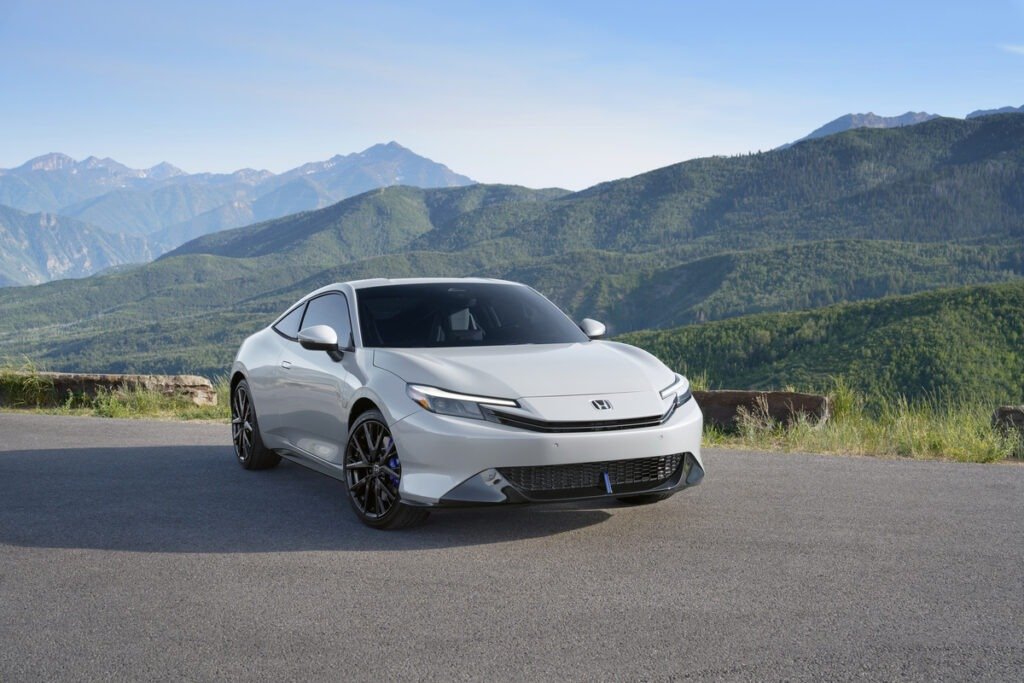
Why did Honda deny it in the first place?
That’s the part people are still a little annoyed about. Companies deny things that turn out to be true all the time, for a mix of reasons — ongoing negotiations, not wanting to spook dealers, or just genuinely not having made the final call yet back in March. It’s not unusual, but it does make you take future denials with a grain of salt.
The bigger picture
This isn’t really a Honda-is-giving-up-on-EVs story. If anything, it’s the opposite. Honda seems to be consolidating its electric efforts around its own platform rather than splitting attention between two different EV strategies. Whether that pays off is a different question, but at least it’s a clearer direction than “let’s sell someone else’s electric SUV with our badge on it.”
For now, if you’re shopping for an electric Honda, the message is pretty clear: the Prologue chapter is closing, and the next one is going to be all Honda.