


Not the acceleration, not the touchscreen — the fuel bill. Or rather, the lack of one. “Bro I forgot what a petrol pump queue even feels like,” he told me, which is a very specific kind of smug that only EV owners seem to have.
But then June came, his building’s basement charging point went out of order for four days, and he had to push the scooter two blocks to a public charger because he’d let the battery run down to 3%. Suddenly the fuel-bill smugness had some competition.
That’s basically the whole story with electric vs petrol scooters in India right now. The running cost math genuinely favours electric, no argument there. But “cheaper to run” and “the right scooter for you” aren’t always the same sentence, and most of the comparison articles online just quote a per-km number and call it a day. Let’s actually go through it properly.
Cost Per Kilometre: The Number Everyone Quotes
A Honda Activa or TVS Jupiter type petrol scooter gets you somewhere around 45-55 km/l in real city conditions (not the ARAI figure on the brochure, actual traffic-and-signal riding). Petrol is hovering near ₹100-108 a litre in most metros as I’m writing this, which puts you at roughly ₹1.90-2.30 per km.
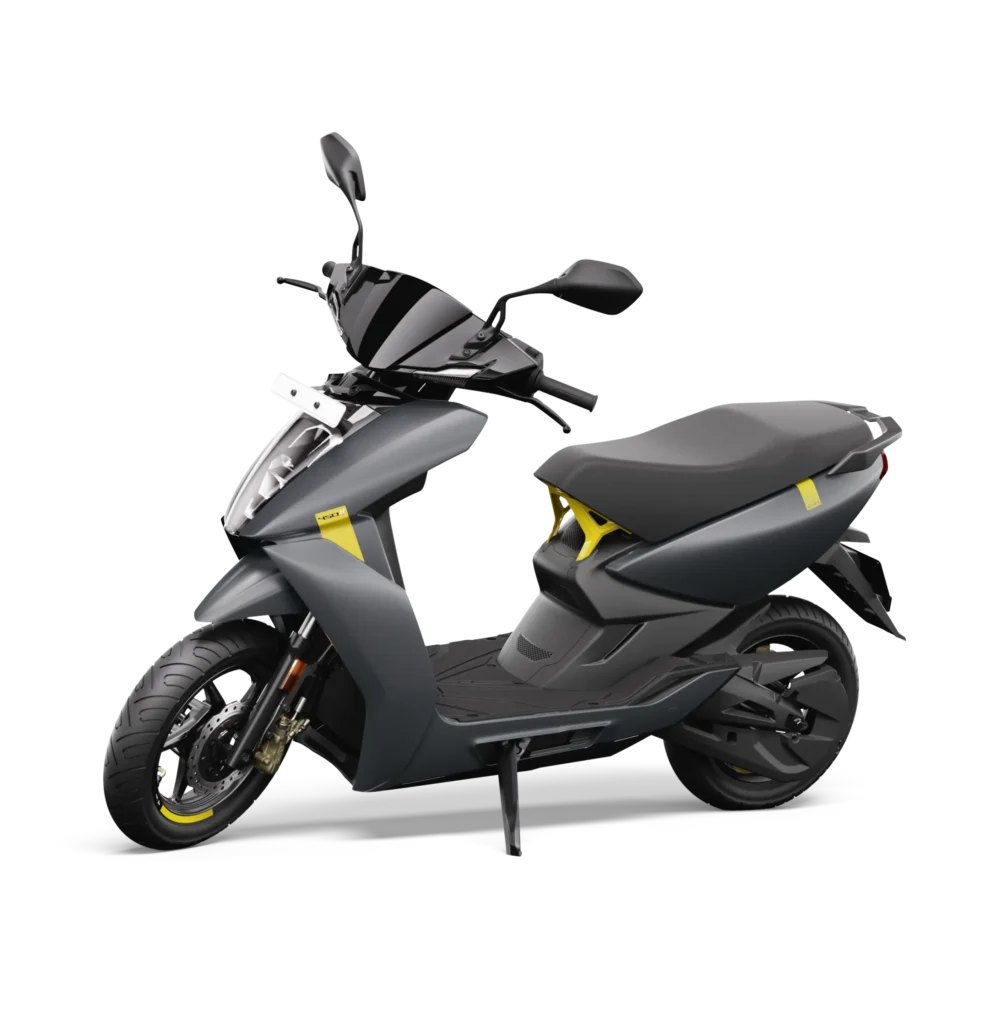
Electric works out to somewhere between ₹0.20 and ₹0.35 per km depending on what you’re paying for electricity and whether you’re charging at home overnight or topping up at a paid public station. So yes, it’s cheap. Six to eight times cheaper per kilometre, even on the higher end of that range.
Do the maths on a 30 km/day commute and you’re saving somewhere in the ₹1,700-2,000 range every month just on fuel. That’s before we even get into servicing.
For anyone who likes running these numbers before a big purchase, we did something similar for four-wheelers a while back in our petrol vs CNG vs EV cost of ownership piece — same logic, smaller digits.
Maintenance Is Where the Gap Actually Widens
Fuel savings get all the attention because they’re the flashy number. Maintenance is honestly where electric pulls further ahead, and it’s the bit most buyers don’t think about until their scooter is a year old.
A petrol scooter needs oil changes roughly every 3,000-5,000 km, plus spark plugs, air filters, occasional carburetor or injector cleaning, and eventually a CVT belt or clutch job. Add it up over a year and you’re typically at ₹6,000-10,000, sometimes more if the service centre finds “extra” things to fix (we’ve all been there).
Electric scooters cut most of that out entirely. No oil, no plug, no exhaust. What’s left is tyres, brake pads, and the occasional electrical check — annual maintenance usually lands around ₹2,500-4,000.
There’s a catch though, and it’s the one thing the “EVs cost nothing to maintain” crowd tends to skip: the battery. Most mainstream scooters warranty the pack for 3 years or 30,000-50,000 km. Outside that window, a replacement can cost ₹25,000-45,000 depending on the brand and capacity. It’s not a monthly cost, but it’s real, and it changes the picture if you’re planning to keep the scooter for a decade.
The Subsidy Situation Just Changed, and Nobody’s Updated Their Articles Yet
Here’s something worth knowing before you walk into a showroom this month. The central government’s PM E-DRIVE incentive for electric two-wheelers was only sanctioned through July 31, 2026. That date has come and gone. Unless there’s an extension announced, the ₹2,500-5,000 per vehicle discount that’s been quietly baked into electric scooter pricing for the last year and a half is no longer automatic.
It doesn’t wreck the case for electric — the running cost advantage is still enormous — but it does mean the upfront price gap between an electric and a comparable petrol scooter is a little wider than it was in, say, April. A few states (Delhi, Gujarat, Maharashtra among them) still run their own incentives independently of the central scheme, so it’s genuinely worth a call to your local RTO or a quick check of your state transport site before you sign anything.
So When Does an Electric Scooter Actually Pay for Itself?
This is the number that matters more than the per-km figure, honestly. Say an electric scooter costs ₹10,000-20,000 more than a comparable petrol one after whatever subsidy is currently applicable. At 30 km a day, fuel and maintenance savings usually close that gap in 14-20 months. Ride more than that — delivery riders doing 80-100+ km a day, for instance — and you’re looking at well under a year.
Ride less, and the story flips a bit. Someone doing occasional 10-15 km errands isn’t going to feel the savings the same way, and a petrol scooter’s lower sticker price plus easier resale can end up making more financial sense for that kind of light, occasional use. We touched on this same “distance changes the answer” idea in our fuel-efficient petrol bikes roundup — mileage-focused petrol commuters genuinely still make sense for a chunk of riders.
Where Petrol Still Has the Edge (Because It Does)
Not going to pretend this is a clean sweep for electric, because it isn’t.
Refuelling a petrol scooter takes two minutes at literally any pump in the country. A full home charge takes anywhere from three to six hours, and while fast public chargers are becoming more common, they’re nowhere close to petrol pump density yet — especially once you’re outside a Tier-1 city.
Range is the other one. A 5-6 litre tank on a decent petrol scooter gets you past 200 km without a second thought. Most electric scooters cap out somewhere between 90 and 150 km per charge, real-world, which is fine for city use but starts to feel restrictive the moment you’re planning a longer weekend ride.
And resale — the used petrol scooter market in India is deep, established, every second mechanic street has buyers. Used EVs are catching up, but that market is still thinner, particularly once you leave the metros.
If you’re thinking about this in terms of a car instead of a two-wheeler, the logic isn’t all that different, though there’s an added wrinkle worth knowing — ethanol-blended petrol has quietly nudged real-world mileage figures down over the past couple of years, so that “45 km/l” number a lot of petrol scooter owners quote isn’t always what they’re actually getting anymore.
Which One Should You Actually Get?
Depends entirely on how you ride, not on what’s trending on Instagram.
If you’re doing short, occasional trips under 20 km a day, petrol is still the sensible pick — cheaper upfront, faster refuelling, easier to sell later.
If it’s a daily 20-50 km city commute and you’ve got somewhere to charge overnight, electric wins pretty clearly. You’ll likely break even within a year and a half and keep saving after that.
Delivery riders clocking 80+ km a day, there’s really no debate — the fuel savings alone can run into several thousand rupees a month, and that adds up fast.
If your riding involves a lot of highway stretches or unpredictable long trips where you can’t plan around a charger, petrol is still the less stressful option for now.
Range anxiety is easing though. Battery chemistry keeps improving — the recent Ather Rizta LFP battery update is a decent example of how quickly the real-world numbers on the electric side are moving.
Quick FAQ
Is an electric scooter really that much cheaper to run than petrol in India? Per kilometre, yes — typically ₹0.20-0.35/km for electric against ₹1.90-2.30/km for petrol. Total ownership cost still depends on the upfront price gap, how far you ride, and eventually the battery.
How long does an electric scooter battery actually last? Most brands warranty it for 3 years or 30,000-50,000 km. Real-world life varies quite a bit with charging habits and how hot your city gets in summer.
Are electric scooter subsidies still around in 2026? The central PM E-DRIVE incentive for two-wheelers ran through July 31, 2026, and that window has now closed. Some states still have their own schemes running — worth checking before you buy.
Do you need a licence for an electric scooter in India? If it does more than 25 km/h, yes — registration, number plate, insurance, and a valid licence, same as any petrol scooter. Low-speed models under 25 km/h are exempt in most states.
Got a running-cost story of your own, good or bad? Drop it in the comments — and if you’re still deciding, our EV coverage has the latest on what’s actually launching in India right now.