


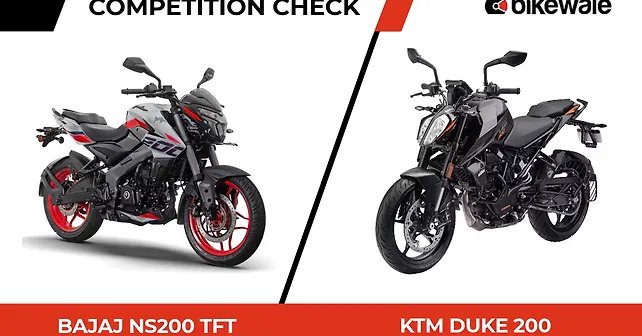
Manufacturers such as Bajaj and KTM have always considered the 200cc segment crucial, as it balances everyday usability and premium performance and features. For nearly a decade, two naked streetfighters have become stalwarts within the segment: the everyman Bajaj Pulsar NS200, and the ravenous KTM 200 Duke. With recent updates to both motorcycles, the delta between them has narrowed on paper, even though the 200 Duke carries a Rs. 50,000 premium. So how do they stack up?
The Looks
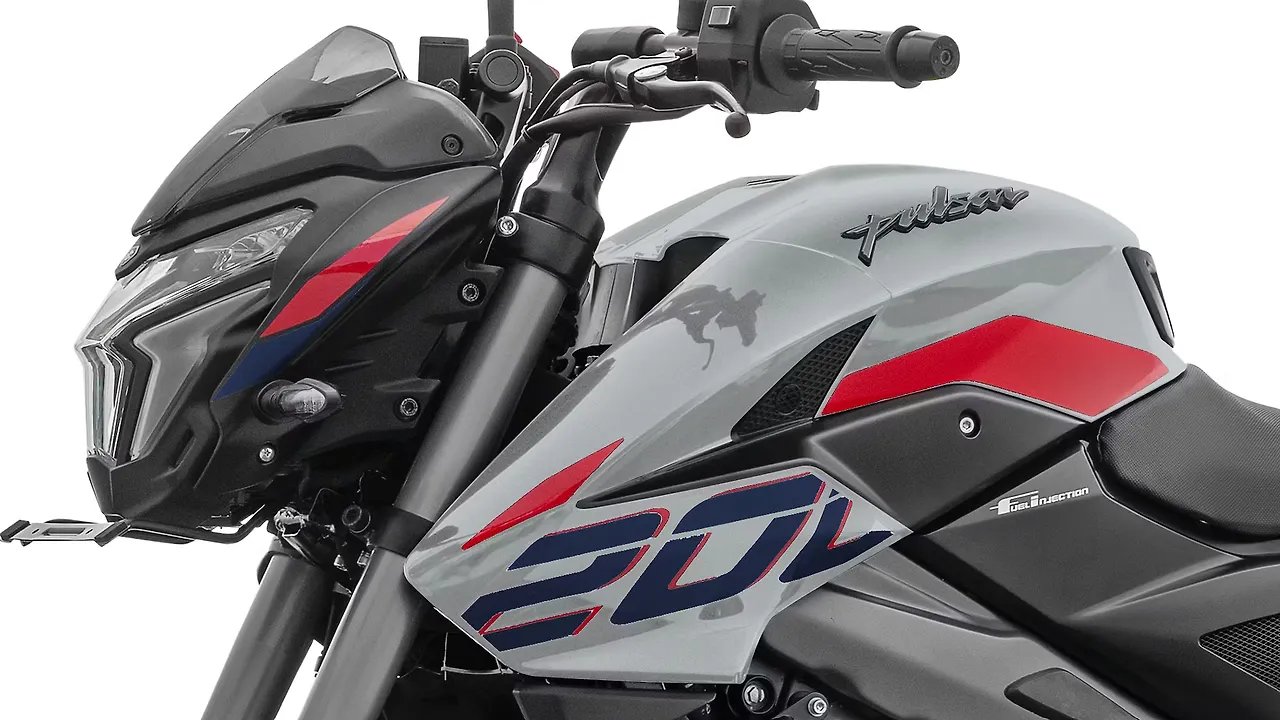
Both the NS200 and 200 Duke are naked motorcycles with bold, muscular stances and little wind protection. NS200 has always had a more subdued design that appealed to a wider audience, with less theatricality. However, the latest NS200 offers some aggressive elements, such as a segmented LED headlight and tank decals, but it does look similar to its smaller siblings, the NS160 and NS125.
In contrast, the 200 Duke is a diametric counterpart. Drawing inspiration from larger Duke models, such as the Super Duke 1390 R, the ‘Mini-Scalpel’ features a sharp, angular design with protruding tank shrouds and high-contrast colour schemes, although KTM does offer a toned-down black palette, too.
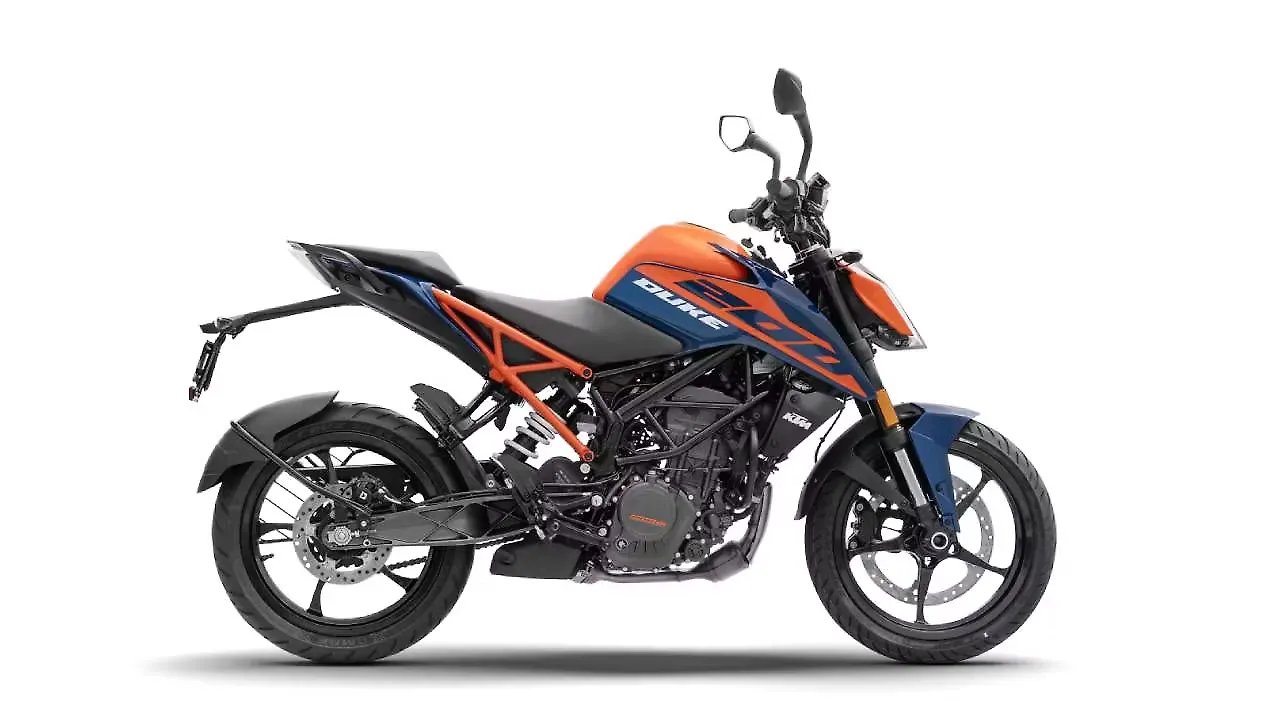
Looks are subjective, and therefore, regardless of which bike one chooses, it’s a case of beauty in the eyes of the beholder. That said, the 200 Duke will be more of an acquired taste versus the Pulsar NS200.
The Performance
Both motorcycles feature the same 199.5cc, liquid-cooled, four-valve single-cylinder engine. The key difference between the two is the valvetrain: the 200 Duke uses dual-overhead camshafts (DOHC), whereas the NS200 uses a single-overhead camshaft (SOHC). On an engineering level, DOHC allows KTM to let the 200 Duke rev harder and control the opening of the inlet and exhaust valves independently, but on the road, this translates to marginally better acceleration.
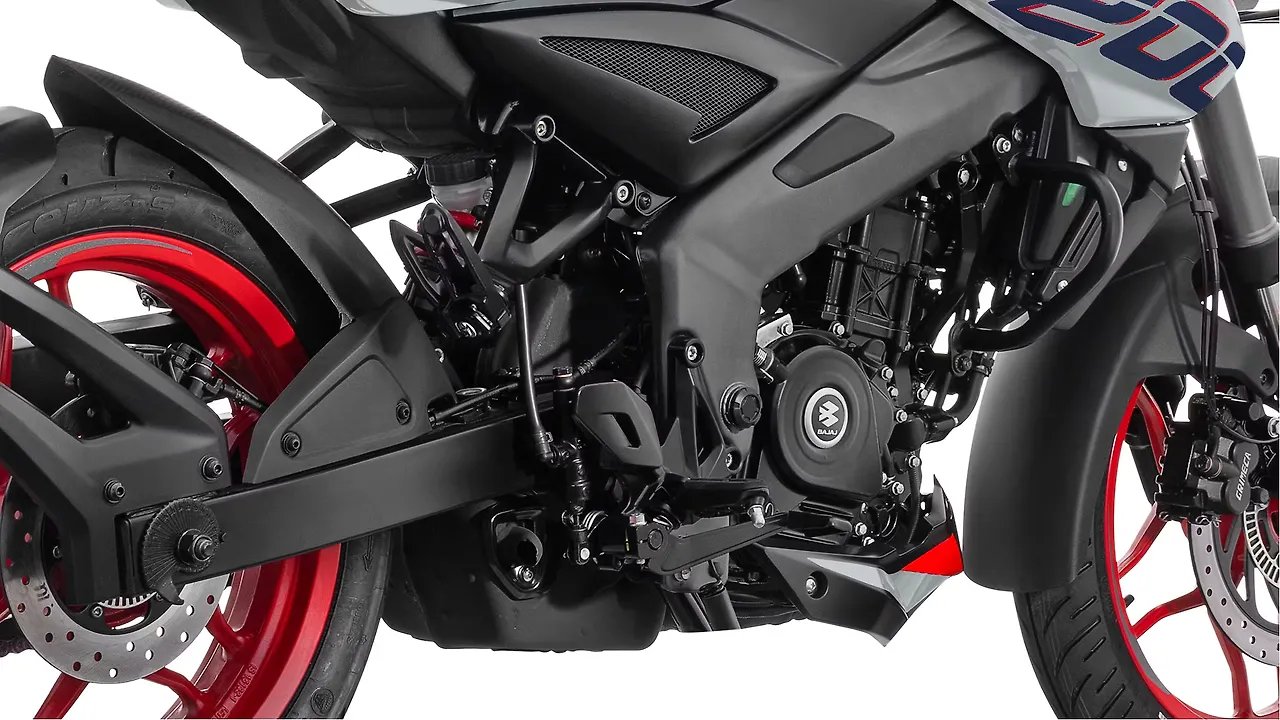
200 Duke makes 24.5bhp and 19Nm of torque, while the Pulsar NS200 makes 25bhp (0.5bhp more) and similar torque. Since both motorcycles also weigh roughly the same (158kg vs 159kg), performance is on par for both bikes.
The Underpinnings
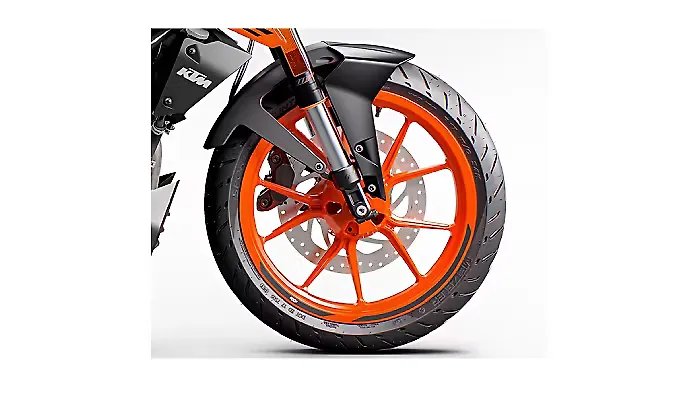
Beneath the exterior is where the 200 Duke distinguishes itself from the Pulsar NS200. The 200 Duke features a split-trellis tubular steel frame, riding on a 43mm WP APEX upside-down (USD) front fork, and a WP APEX preload-adjustable rear monoshock. The larger front fork, with the much more rigid trellis frame, makes the Duke 200 extremely nimble on its feet and through the corners.
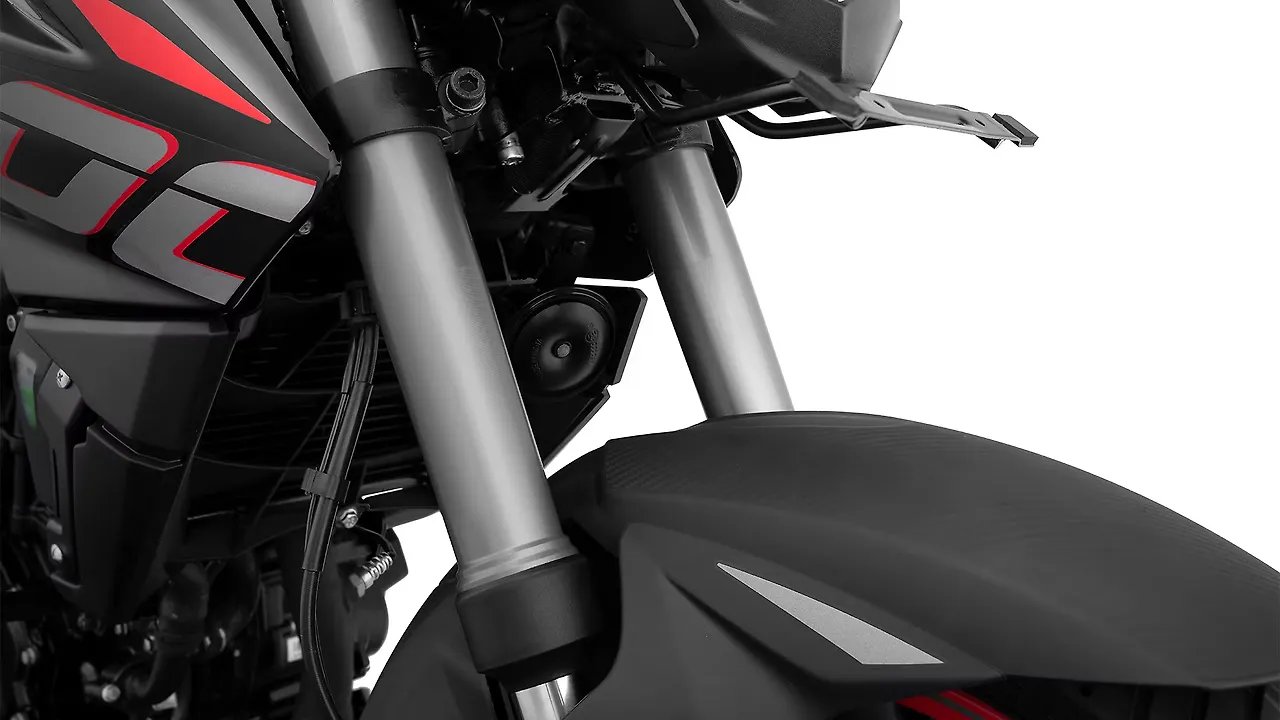
Meanwhile, the NS200 features a more humble steel perimeter frame, with a 37mm USD fork at the front and an adjustable gas-charged monoshock at the rear. The Pulsar is set up for stability and comfort, and should offer a better ride over poor surfaces, with less stiffness or harshness. The trade-off is in outright handling and feel, where the 200 Duke is superior.
The Features
For a long time, both motorcycles featured semi-digital LCD instrument clusters to keep costs down and prices accessible. However, consumer expectations have changed over time. As a result, both motorcycles are updated in 2026 with the latest technology.
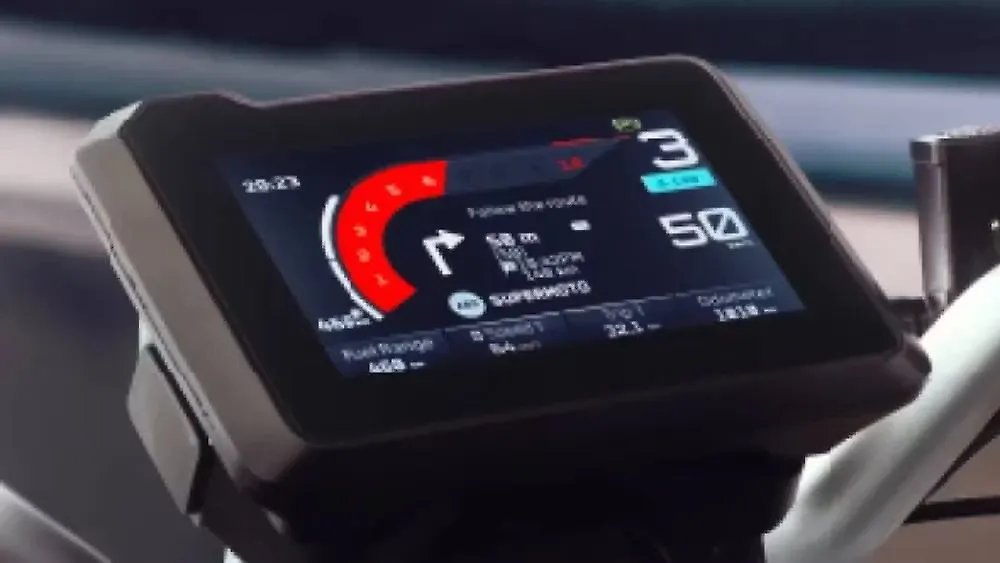
The 200 Duke, which already came with a 5-inch colour TFT display, now gets an electronic throttle body (ETB) with ride-by-wire and multiple ride modes, traction control, and a bi-directional quickshifter. The TFT display also gets Bluetooth connectivity, giving access to call alerts and turn-by-turn navigation.
Pulsar NS200 trailed behind the 200 Duke when it came to outright feature set, but the 2026 update brings a brand-new 5-inch colour TFT display. The updated cluster comes with Google Maps mirroring as standard. The Pulsar also receives an ETB, ride-by-wire, and more ride modes than the 200 Duke (four versus two).
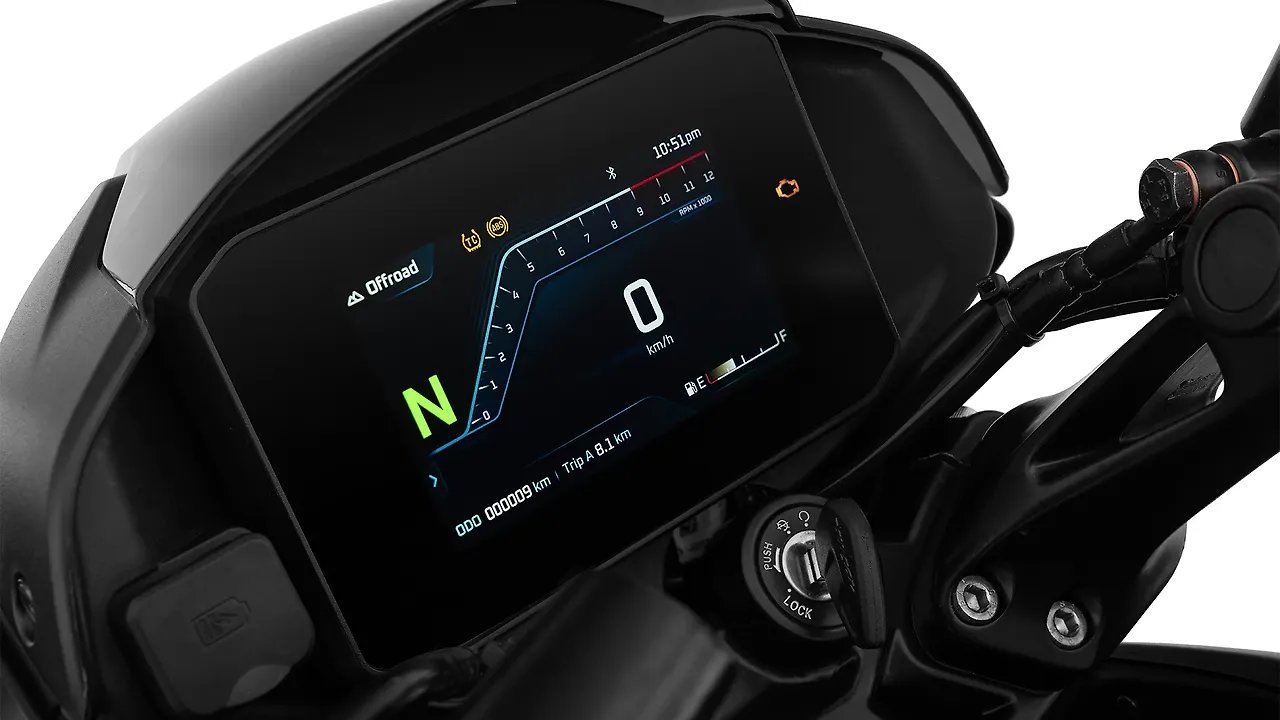
Bajaj’s street-naked also received a bi-directional quickshifter, traction control, and convenience features like panic brake alert and a USB Type-C charger. The NS200 wins on this front, since it offers a nearly identical laundry list of tech for far less money.
Verdict
There may have been a time when the KTM 200 Duke was a more premium, sportier option compared to Bajaj’s humble Pulsar NS200. However, in 2026, the capability gap has closed significantly. At Rs. 1.60 lakh (ex-showroom), the NS200 TFT is a substantial Rs. 50,000 cheaper than the 200 Duke, which is available at Rs. 2.09 lakh (ex-showroom).
If you value a well-sorted motorcycle with all the modern tech you need, the NS200 TFT could be a viable choice. However, if sporty credentials and nimble handling are what you’re looking for, the 200 Duke is the standout contender, though it will come at a price.