




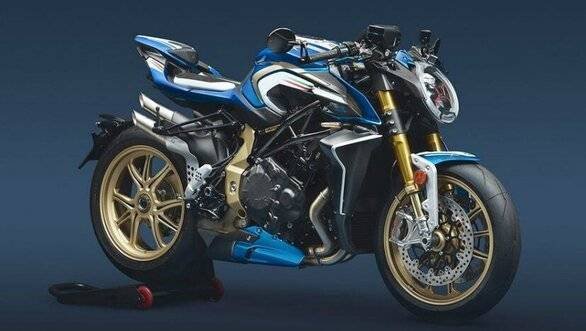
MV Agusta, the storied Italian marque, is fighting for survival, with a formal restructuring process underway and no confirmed buyer in sight.
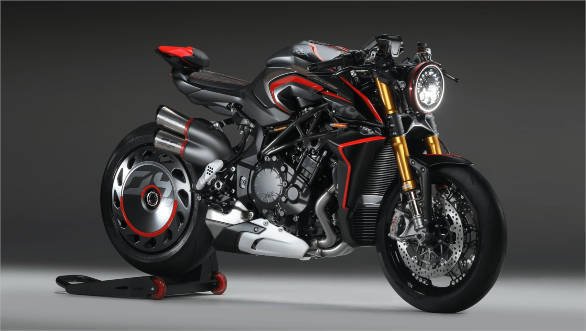
MV Agusta is looking for a change in ownership to operate onwards. The Italian luxury bike maker confirmed in an official statement on September 11 that its finances and operations are volatile. However, it has not declared bankruptcy yet.
The company is now under Italy’s Composizione Negoziata della Crisi (CNC), a voluntary process in which an independent expert helps a company negotiate with creditors and other stakeholders. In the statement, the brand said it is trying to restore its industrial, operational, and financial balance.
Where Did MV Agusta’s Trouble Begin?
The trouble traces back to a rescue that looked promising. KTM bought 25.1 per cent of MV Agusta in November 2022, then lifted its holding to 50.1 per cent in March 2024. It paid 45 million for the larger stake: 35 million in cash and 10 million in PIERER Mobility shares, with a performance-linked payment still to come.
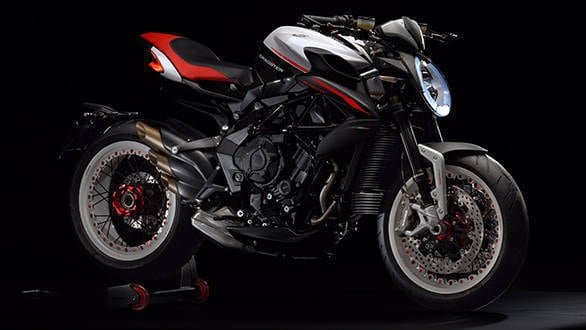
Under KTM, MV Agusta’s purchasing, parts of its supply chain and its international distribution were folded into the wider Pierer group. Ambitions grew with it. The company spoke of building more than 10,000 bikes a year in Varese and installed a new line able to produce up to 1,000 motorcycles a month.
From KTM To Sardarov
KTM’s own financial crisis ended that plan. By early 2025, MV Agusta and Art of Mobility had agreed that the Sardarov family would take the company back, and the deal closed on July 9, 2025. At the time, independence was pitched as protection from the Austrian group’s troubles, with Varese keeping control of development, production, sales, marketing, and after-sales, and its 219 dealers continuing as usual.
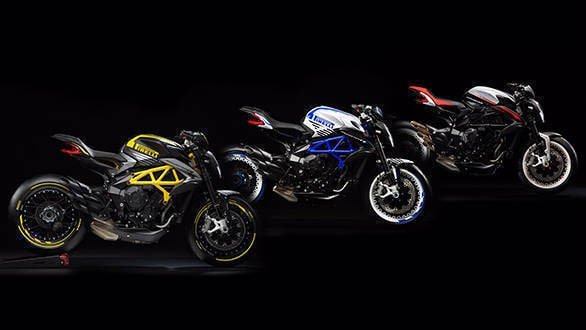
The reality was harder. Because so many systems had been shared with KTM, MV Agusta had to rebuild procurement, logistics, distribution and commercial processes from scratch while still designing and selling motorcycles. There were signs of progress. In March 2026, it moved its spare-parts warehousing to DHL Supply Chain, with DHL Express handling international shipping, to improve parts availability and delivery times. It also kept launching products: the F3 R was repositioned in Italy in April, and a Brutale 1000 ABT collaboration followed in May.
Current affairs
MV Agustal claims it registered 2,166 bikes worldwide in the first half of 2026, up 3.4 percent from 2,094 a year earlier. This includes 644 units sold in Italy compared to 500 from the previous year, and a claimed hike in France and US too. These figures show a glimmer of hope but it don’t settle the question though. Registrations record bikes sold to riders, not bikes built, so dealers can be selling older stock while factory output is cut. Healthy retail numbers and a cash crunch can exist side by side.
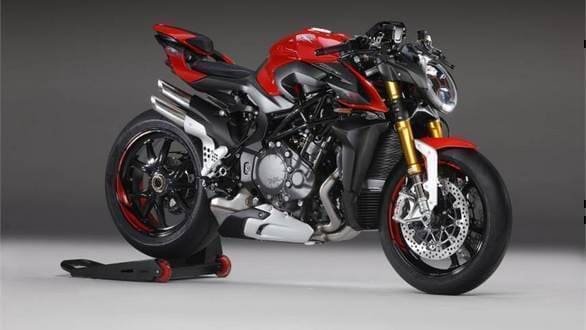
What Happens Next To MV Agusta and Patritalia?
What happens next depends largely on finding fresh money. The CNC process gives MV Agusta room to negotiate with lenders, creditors and prospective investors. The latest claims come days after the company launched a competitive sale process, inviting improved offers by 21 December 2026. The process was prompted by a 28m bid from US-based Sports Bank Capital Partners LLC, submitted on 16 November, for MV Agusta’s business assets, trademark and operations.
However, the process also involved an Italian investment firm, Patritalia S.p.A., which claims it had already agreed to a preliminary deal to buy MV Agusta, signed on September 28. Under the agreement, Patritalia would take control of all the brand’s assets. However, that deal has stalled, and while the firm is still interested in the takeover, it wants a clearer picture of what the motorcycle maker owes before it proceeds. In a statement dated 22 November, the investment firm said the debt figure it was given at the start of negotiations was around 35 million. Subsequent estimates put it at roughly 70 million and then above 80 million. On 18 November, Patritalia received a further update putting total liabilities at more than 130 million.
According to the firm, even that figure excludes potential liabilities at MV Agusta’s overseas subsidiaries. Patritalia also questioned whether it had received a complete set of financial records and how thoroughly it had verified them.
For now, MV Agusta’s future rests on a choice between two very different paths: a 28m asset purchase backed by a formal bid, or Patritalia’s claimed 215m plan that remains unproven and hinges on a debt picture that keeps changing. With offers due by 21 December and a court hearing on protective measures taking place this week, the next few weeks will show whether the Varese marque finds a backer who can settle its finances, restart production at Schiranna and protect its workforce. Until then, one of Italy’s most storied motorcycle names remains in limbo.