



Duster’s strong-hybrid powertrain will join the existing turbo-petrol options as Renault looks to reverse four consecutive monthly sales declines
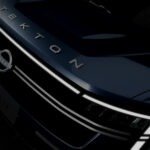
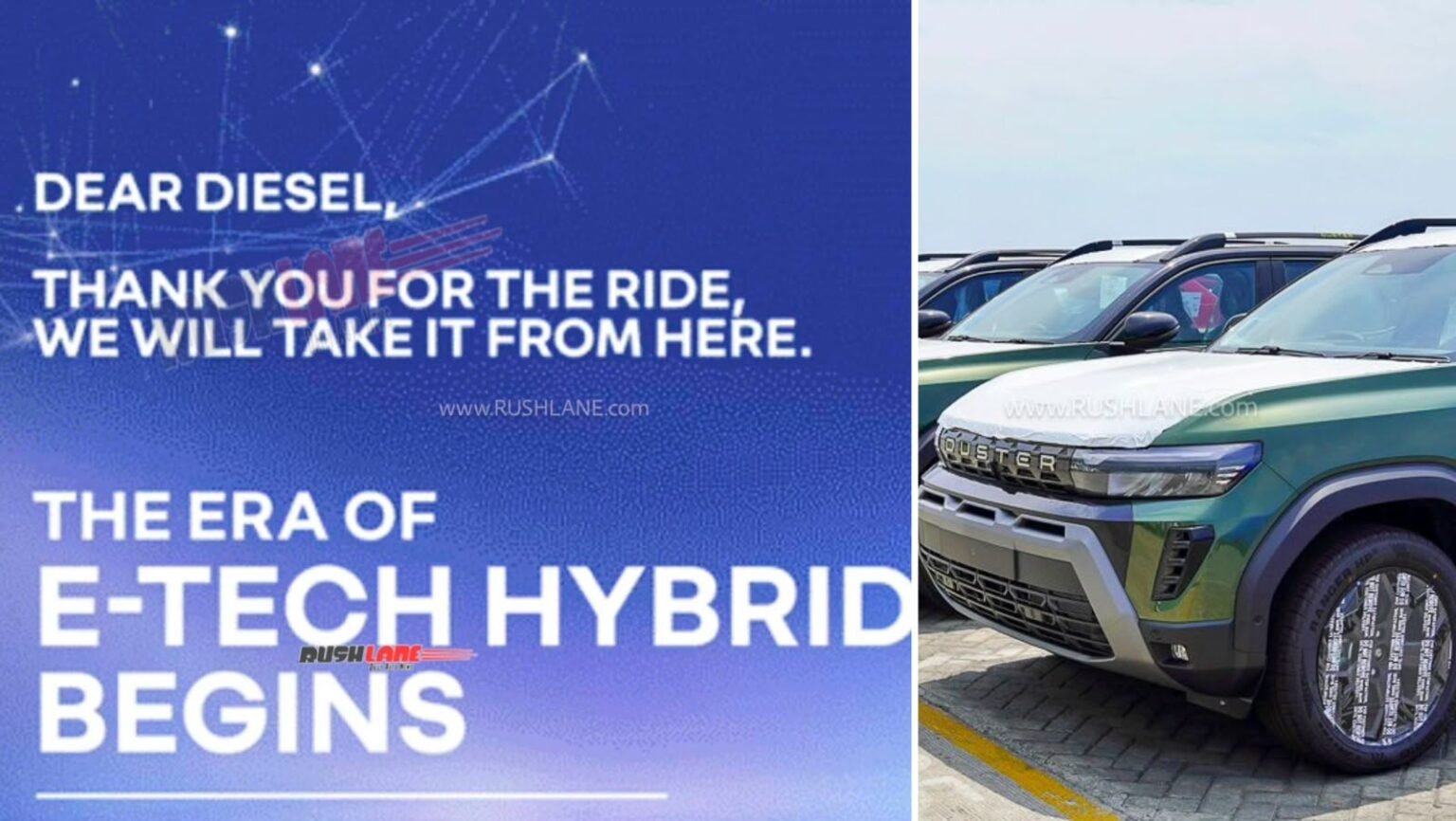
Renault India has teased the arrival of its E-Tech strong-hybrid technology. The upcoming Duster hybrid will expand the SUV’s powertrain lineup beyond the existing 1.0-litre and 1.3-litre turbo-petrol engines, giving buyers a new option focused on efficiency and electrified driving. Launch is on 17th October.
The teaser makes its positioning clear with the message, “Dear Diesel, thank you for the ride, we will take it from here.” For a nameplate whose earlier success in India was closely associated with diesel engines, Renault is presenting the hybrid as the next chapter.
Renault Duster Hybrid – What To Expect
The Duster strong hybrid combines a naturally aspirated 1,789cc four-cylinder petrol engine with two electric motors and a multi-mode automatic gearbox. The system is rated at 160 hp, with a quoted torque figure of 172 Nm, and uses a 1.4 kWh battery pack.
Renault had previously confirmed the 1.8-litre engine and battery specifications for India under the Strong Hybrid E-Tech 160 designation. The company claims up to 80% electric driving in city conditions, although the proportion will vary with traffic, battery charge and driving inputs.
As a strong hybrid, it does not require external charging. The system manages petrol and electric operation, with regenerative braking recovering energy during deceleration. Certified Indian fuel-efficiency figures will be an important part of the launch announcement.
Hybrid To Fill The Diesel Gap
The new Duster’s petrol-only lineup has left buyers without the diesel option associated with its predecessor. Renault’s latest campaign directly addresses that change, pitching hybrid technology as an alternative for customers seeking lower fuel consumption.
The hybrid will compete with strong-hybrid versions of the Maruti Grand Vitara, Maruti Victoris and Toyota Urban Cruiser Hyryder, which are priced in the Rs 16.5 lakh to Rs 20 lakh range (ex-sh). Its appeal will depend on the balance between performance, fuel efficiency and the price premium over the turbo-petrol variants.
Duster Sales Have Declined Since April
The expanded lineup arrives at an important time for Renault. Duster recorded 1,402 units in March before reaching 2,359 units in April. Sales then declined for four consecutive months, falling to 1,267 units in May, 1,011 in June, 512 in July and 402 in August.
August volumes were down 21.48% month-on-month and approximately 83% below April’s peak. Across March–August, Duster registered 6,953 units, averaging around 1,159 units per month. The challenge becomes clearer when compared with rivals like Creta, Seltos, Grand Vitara, Hyryder, Sierra, etc. The hybrid will give Renault another powertrain option to attract buyers, but competitive pricing will be important in narrowing this gap.
The current Duster petrol lineup is priced between Rs 10.49 lakh and Rs 18.69 lakh, ex-showroom. Hybrid pricing is yet to be announced, and its positioning relative to the higher petrol variants will be closely watched. The strong hybrid adds a significant new powertrain choice as the brand seeks to rebuild sales momentum in the competitive midsize SUV segment.