


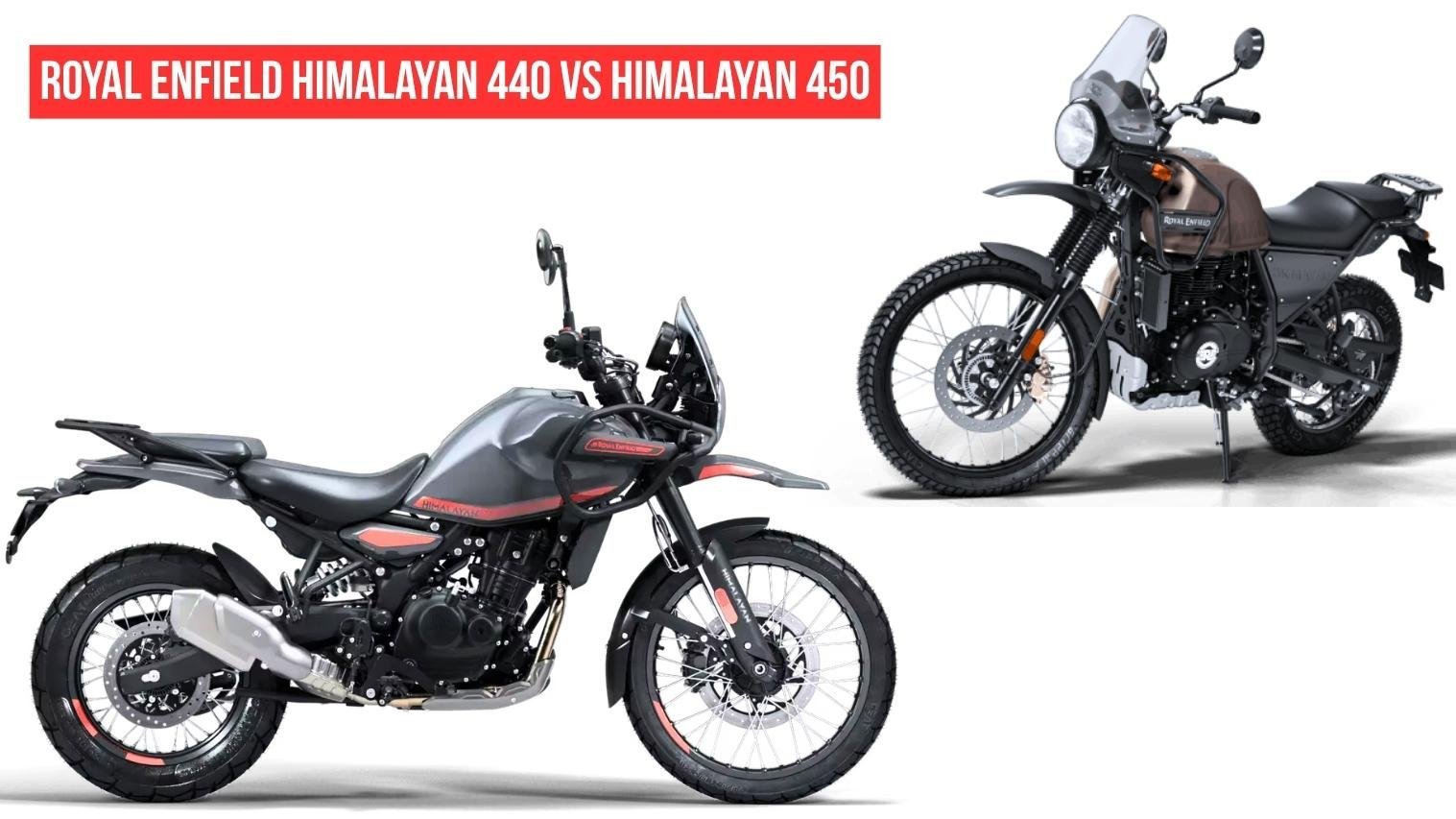
The Himalayan 440 brings back the original bike’s simple adventure formula, but the Himalayan 450 offers significantly more power, technology and off-road hardware
Royal Enfield now has two very different motorcycles wearing the Himalayan badge. The new Himalayan 440 has been launched at Rs 2.29 lakh, sitting well below the Himalayan 450, which starts at Rs 3.08 lakh. While both are built for adventure touring and share the familiar 21/17-inch wheel combination, the two motorcycles take noticeably different approaches.
The biggest difference is under the skin. The Himalayan 440 uses the 443 cc air-cooled single-cylinder engine producing 25.4 bhp and 34 Nm. It is essentially a more adventure-focused interpretation of the Sherpa-based 440 engine, with the emphasis on usable performance rather than outright numbers. The Himalayan 450, meanwhile, gets the considerably more sophisticated 452 cc liquid-cooled Sherpa engine, making 40.02 PS and 40 Nm. That is a substantial 14.6 PS advantage for the 450.
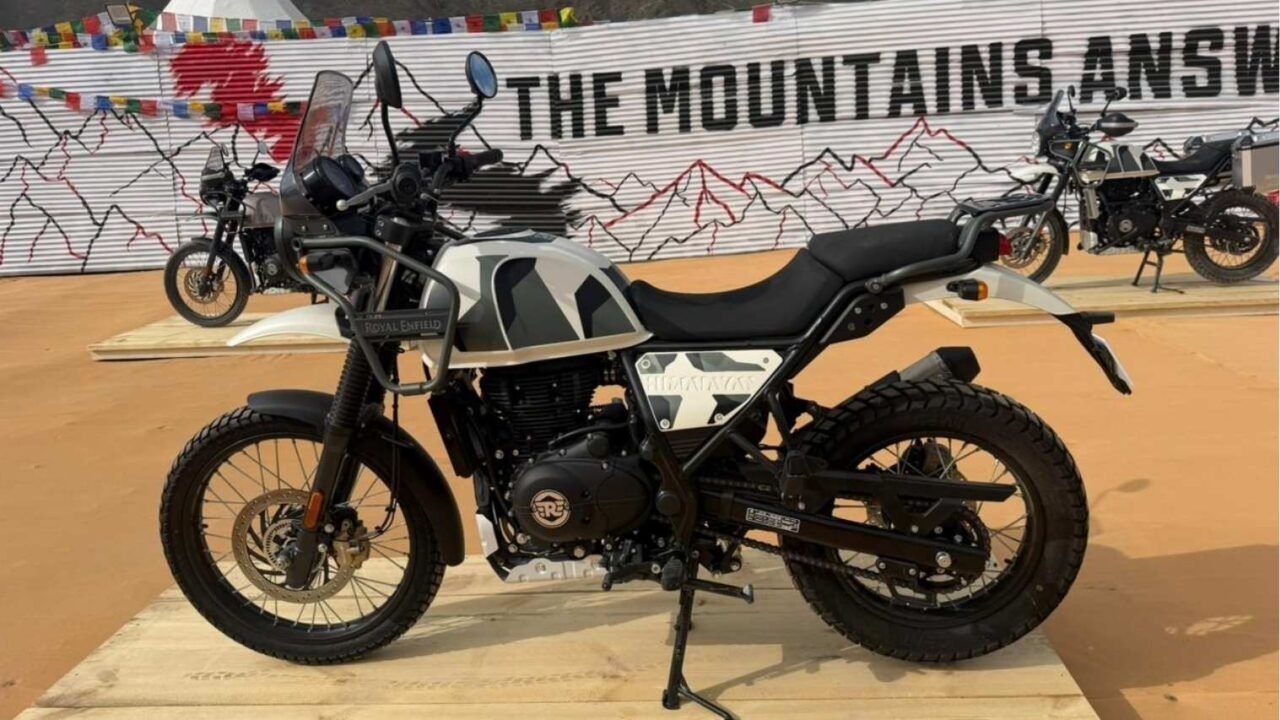
The chassis differences are equally interesting. The 440 gets a 41 mm telescopic fork with 200 mm travel and a rear monoshock with 180 mm travel. The 450 uses 43 mm upside-down forks and a linkage-type monoshock, both offering 200mm of travel. The 450 also gets 230 mm of ground clearance and a larger 17-litre tank, compared with 220 mm and 15 litres on the 440.
| Specification | Himalayan 440 | Himalayan 450 |
|---|---|---|
| Engine | 443 cc, single-cylinder | 452 cc, single-cylinder |
| Cooling | Air-cooled | Liquid-cooled |
| Valvetrain | SOHC, 2-valve | DOHC, 4-valve |
| Power | 25.4 bhp @ 6,250 rpm | 40.02 PS @ 8,000 rpm |
| Torque | 34 Nm @ 4,000 rpm | 40 Nm @ 5,500 rpm |
| Gearbox | 6-speed | 6-speed |
| Front suspension | 41 mm telescopic fork | 43 mm USD fork |
| Front travel | 200 mm | 200 mm |
| Rear suspension | Linkage monoshock | Linkage monoshock |
| Rear travel | 180 mm | 200 mm |
| Ground clearance | 220 mm | 230 mm |
| Seat height | 800 mm | 825 mm, adjustable to 845 mm |
| Fuel tank | 15 litres | 17 litres |
| Wheelbase | 1,460 mm | 1,510 mm |
| Kerb weight | 199 kg | 196 kg |
| Front/Rear tyres | 90/90-21, 120/90-17 | 90/90-21, 140/80 R17 |
Then there is the technology. The Himalayan 440 deliberately keeps things simple with a digital-analogue instrument cluster and Tripper navigation pod, along with switchable rear ABS. The 450 goes several steps further with a 4-inch TFT display, full-map navigation, smartphone connectivity, media controls and selectable riding modes. The 450 also gets ride-by-wire, something the simpler 440 does without.
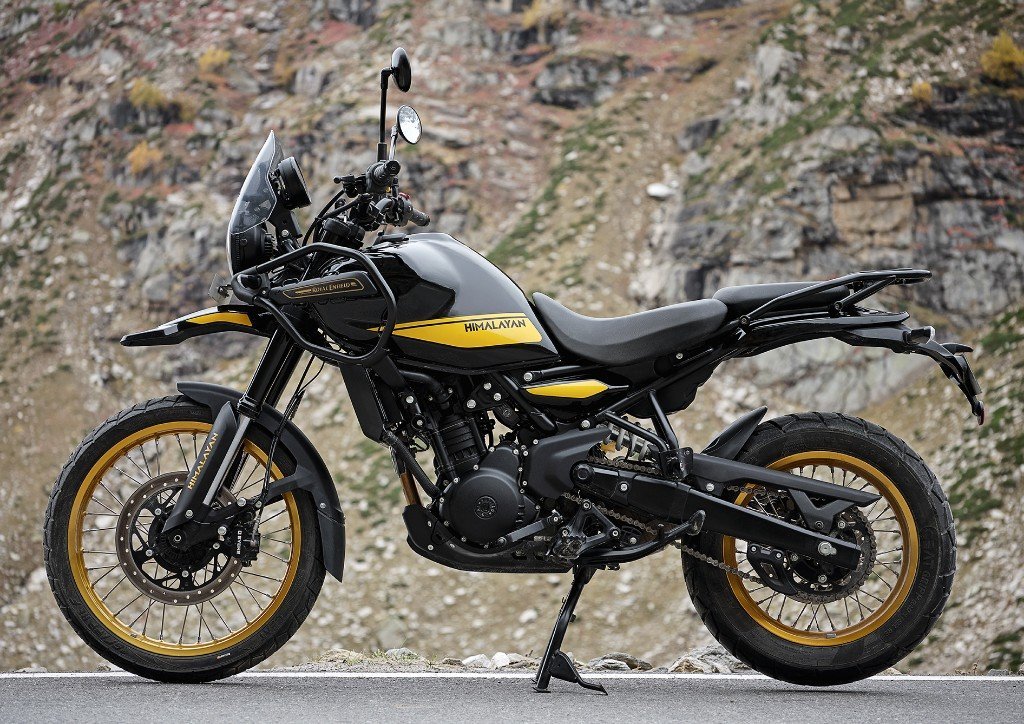
Interestingly, despite being the cheaper motorcycle, the Himalayan 440 is actually 3 kg heavier than the 450. Its lower 800 mm seat height, however, will be a major advantage for shorter riders. The 450’s standard seat can be adjusted between 825 mm and 845 mm, although a lower seat option brings this down to 805 mm to 825 mm.
The Himalayan 440 is priced at Rs 2.29 lakh, while the Himalayan 450 starts at Rs 3.08 lakh ex-showroom. That makes the entry-level 450 nearly Rs 79,000 more expensive. The 450’s higher variants go up to Rs 3.40 lakh, depending on the colour and specification.
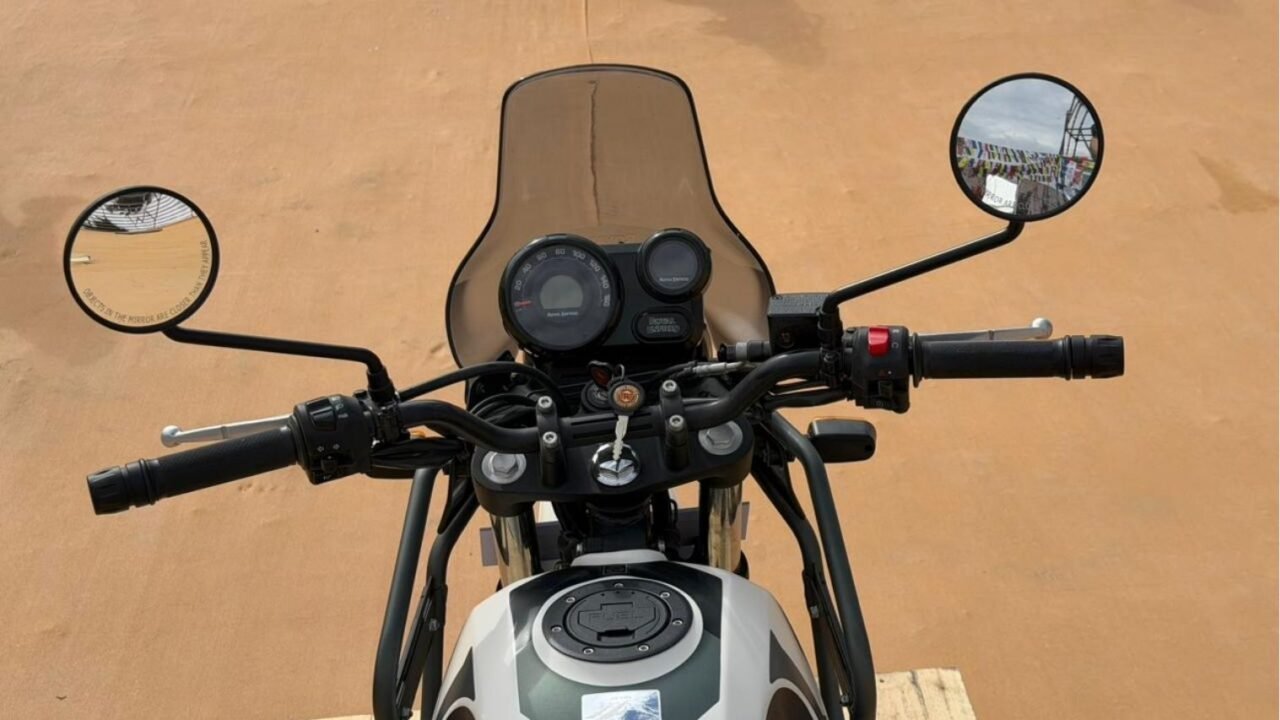
That pretty much explains why both motorcycles exist. The Himalayan 440 is the simpler, more approachable and more affordable adventure bike, particularly attractive if you want the Himalayan experience without spending over Rs 3 lakh. The 450, on the other hand, is the more capable all-rounder, with considerably more performance, better suspension hardware and substantially more technology.