


of
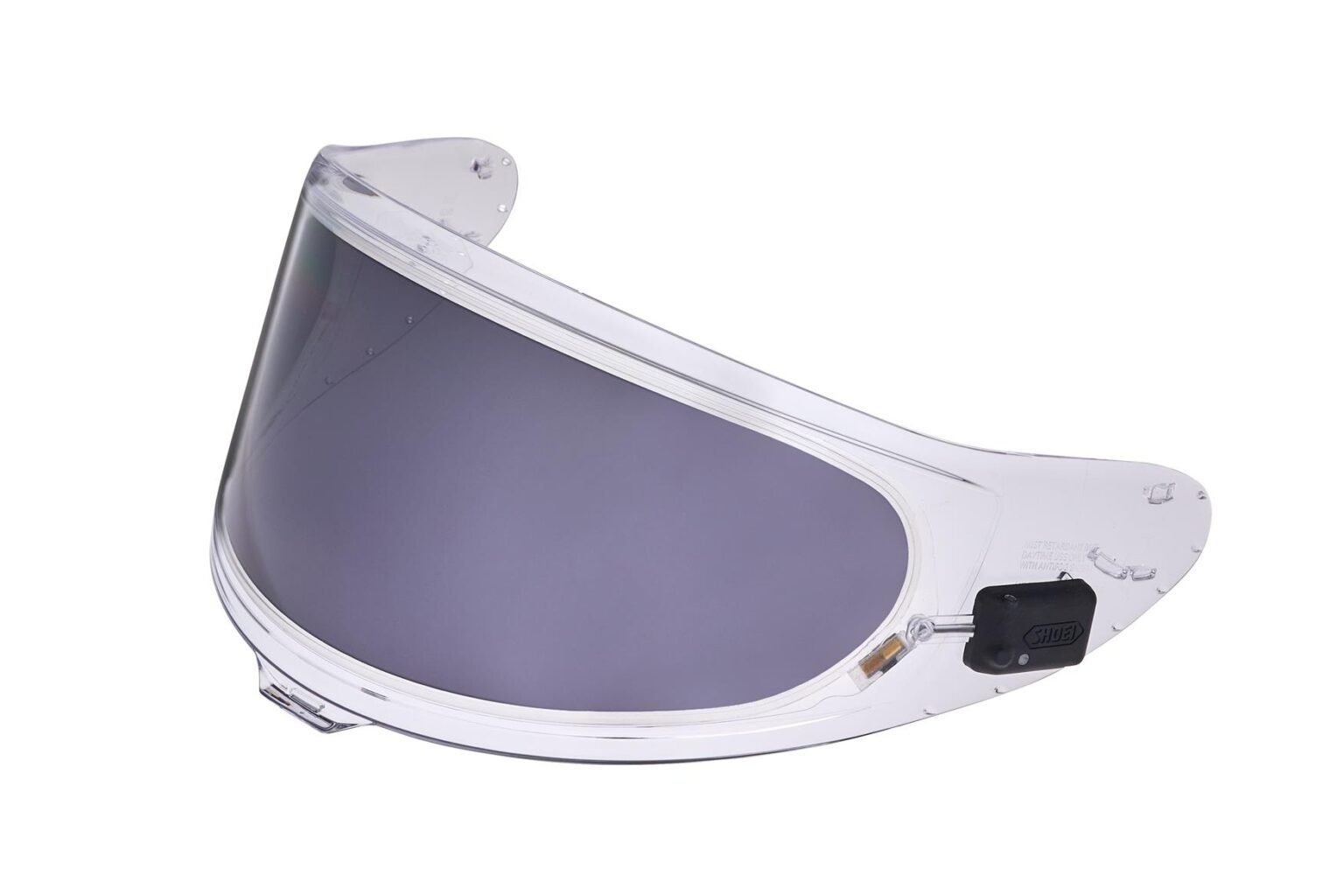
Tokyo-based helmet manufacturer Shoei have just unveiled a new innovative dimming visor sheet for their helmets.
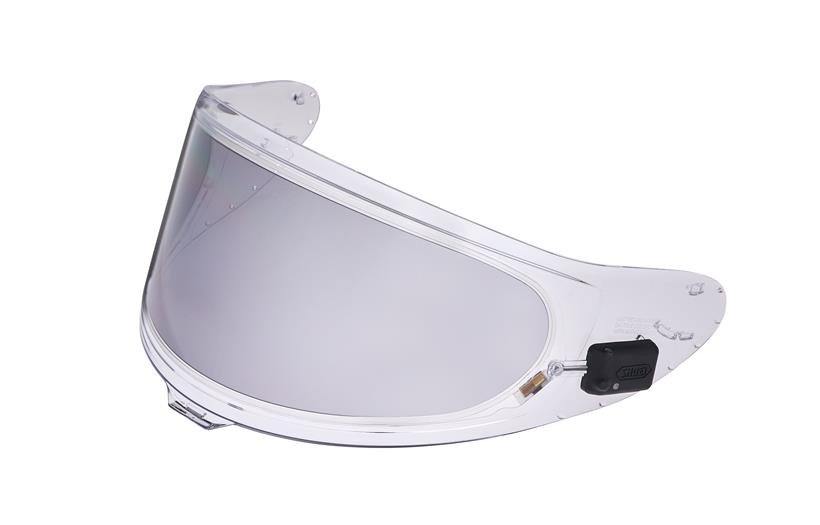
The e:Drylens uses a sensor which automatically tints to a light transmittance of around 20% when it is in direct sunlight.
It does this by firing an electric charge through a liquid crystal layer not unlike that found in classic digital watches.
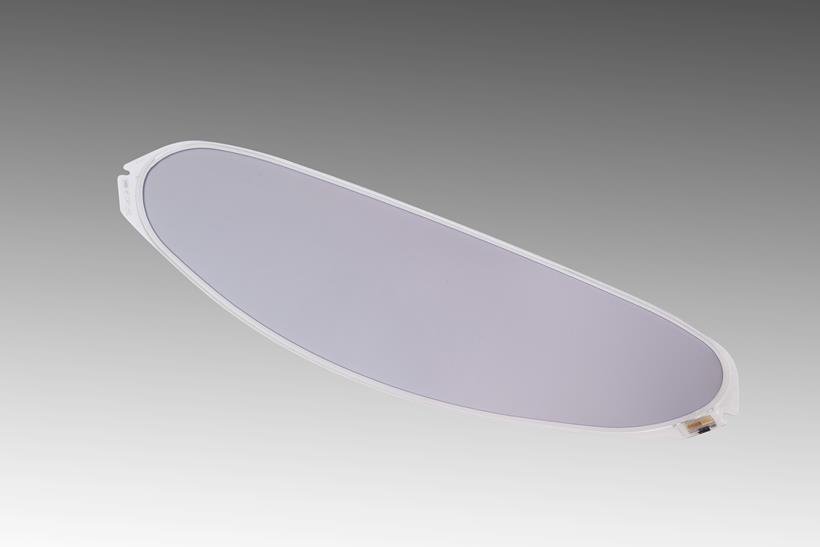
Designed to be fitted on the inside of the companies CWR-F2 (NXR2) and CWR-F2R (X-SPR Pro) visors, it works in a similar way to a Pinlock insert, creating an airtight barrier to help keep fogging at bay.
The new system has been designed in collaboration with the 150-year-old Japanese firm, Dai Nippon Printing Company who say that the lens will operate in temperatures as low as -20°C and as high as 50°C.
In automatic mode it is said to take less than a second to switch between light and dark and can also be set to manual mode with an optional controller, which allows riders to turn the tint on and off when needed.
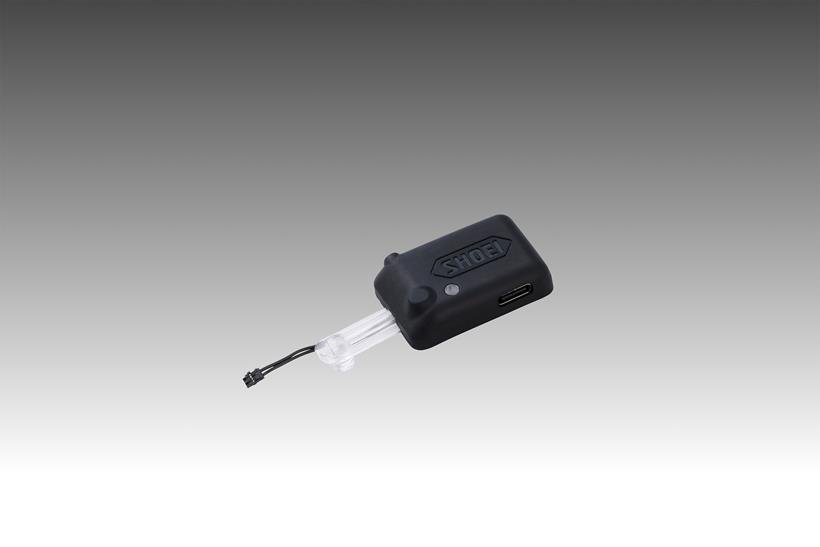
The system charges using a USB C port with a claimed 20 hour run time in dark mode and takes three hours to charge. Shoei say it cannot be charged while the helmet is in use.
This isn’t the first time we’ve seen liquid crystal based tinting mechanism. Shark brought out their £339.99 IRID visor at the beginning of this year. Although the IRID works purely automatically with no manual option and unlike the e:Drylens does not need charging but instead runs off a solar panel.
The e:Drylens is expected to hit the shelves later next year and will cost significantly less than Shark’s offering at approximately £120 plus around £30 for the optional controller.
The MCN take
Like a lot of innovations, the first iteration is often the most expensive, like Shark’s IRID visor. Then along comes cheaper alternatives like this new e:Drylens. The option to turn it on and off automatically will be a plus, especially when riding through dappled sunlight, but it seems a shame it has to be charged.