




If you filled up your tank this week and noticed the price hasn’t budged, you’re not imagining it. Petrol diesel prices in India have been sitting largely flat for a while now, even with everything going on in global oil markets. That’s actually a bit unusual, so let’s talk about why.
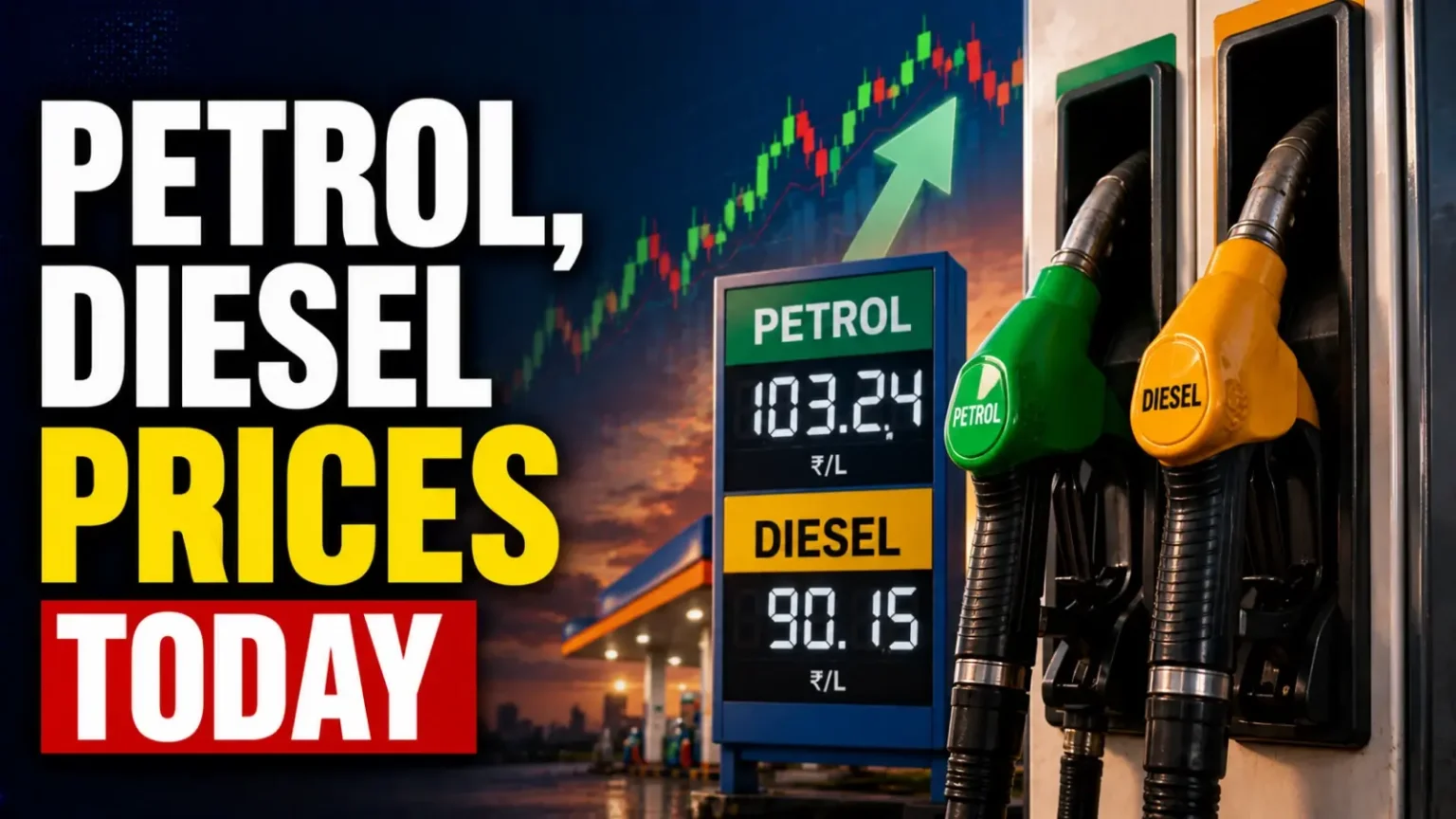
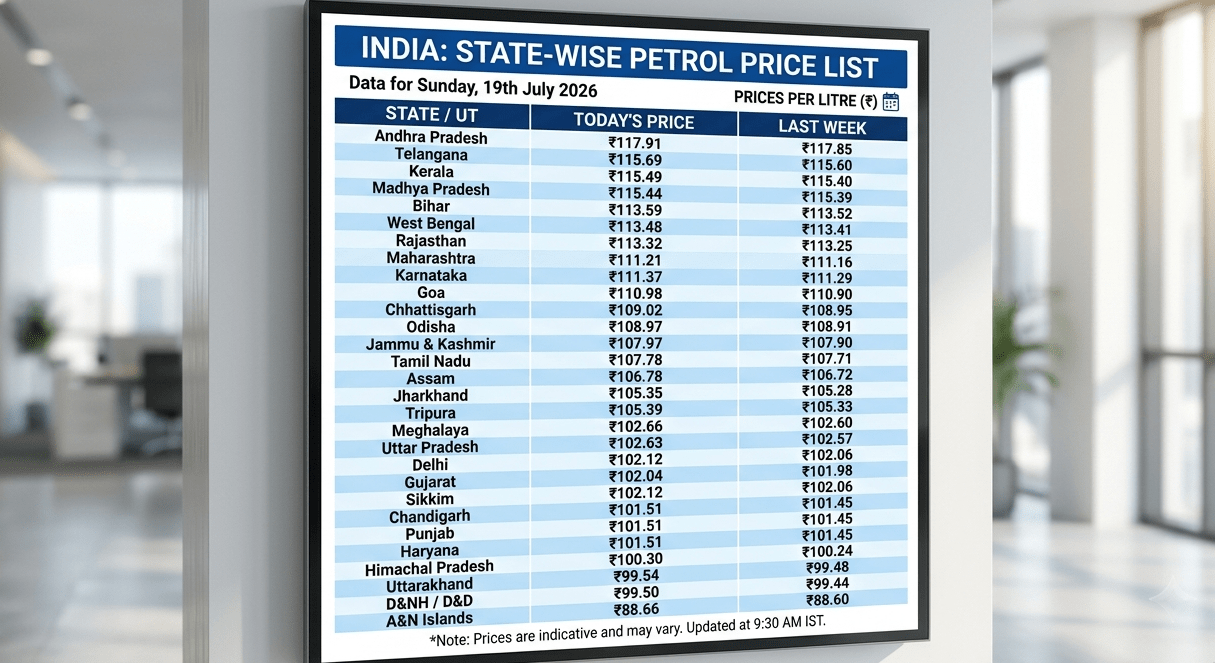
Right now, in Delhi, petrol is going for around ₹102 a litre and diesel around ₹95. Mumbai’s a bit pricier at roughly ₹111 for petrol. Bangalore’s slightly above that. Hyderabad is currently one of the more expensive metros for fuel. None of these numbers have really moved since state-run fuel companies made their last adjustment back on May 25, when petrol went up by about ₹2.61 a litre and diesel by ₹2.71.
So why haven’t prices changed since then?
Good question, and the honest answer is: it’s complicated, like it always is with fuel pricing. Global crude oil has been jumpy because of tension in West Asia and worries about shipping routes, including the Strait of Hormuz, which is basically one of the most important chokepoints for oil transport in the world. Normally, that kind of tension pushes prices up. But crude actually settled a bit lower recently after there was some hope shipping through that route would go back to normal.
On top of that, Indian oil marketing companies don’t just track international crude prices minute by minute and pass them straight through to you. There’s a whole mix of factors — the rupee-to-dollar exchange rate, state taxes (which vary a lot depending on where you live), transportation costs, dealer commissions — all feeding into the final number you see at the pump. So even when crude moves, retail prices here can lag behind or just sit still for a stretch.
Why does the price differ so much between cities?
This trips a lot of people up. Karnataka, Maharashtra, Andhra Pradesh — every state sets its own VAT on fuel, and that’s on top of the central excise duty, which is the same everywhere. That’s the real reason Mumbai pays noticeably more than Delhi for the same litre of petrol. It’s not really about supply, it’s about tax policy.
Where does this go from here?



Nobody can say for sure — that’s the nature of oil markets. If tensions in West Asia escalate again, or if shipping through key routes gets disrupted, don’t be surprised if prices start moving again. If things stay calm, we might just keep seeing this quiet stretch continue for a while longer.
Either way, it’s worth keeping an eye on, especially if you’re budgeting for a long drive or just trying to figure out if it’s worth topping off the tank this week or waiting a few days.