




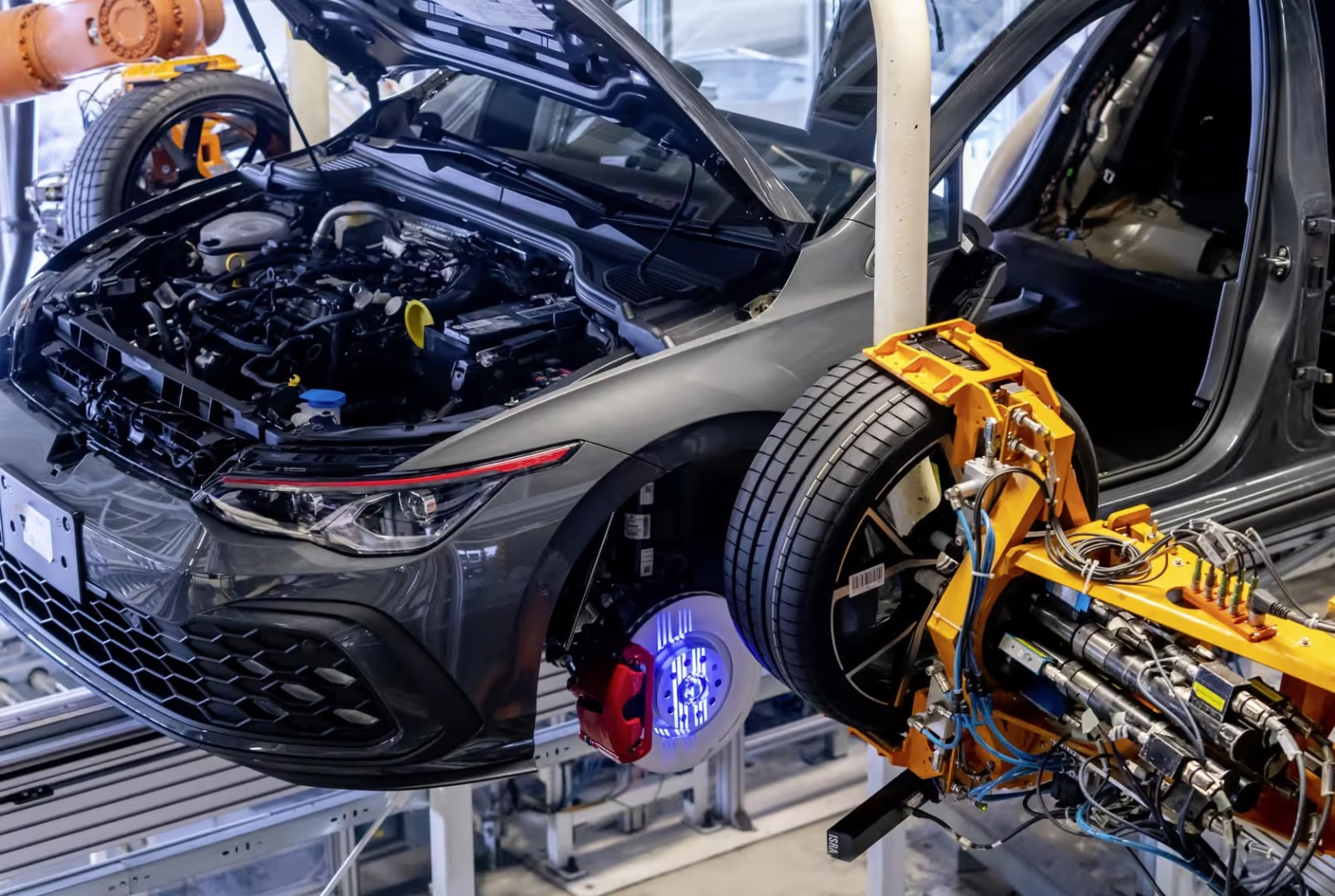
If you’ve been car shopping lately and noticed how many different Volkswagens there are to choose from — hatchbacks, sedans, SUVs, a dozen trims of each — that’s about to change. And not by a little.
On July 9, Volkswagen’s supervisory board signed off on a plan that sounds almost unbelievable for a company this size: cut the global model lineup by up to 50%, and slash the number of trims and configuration options on the cars that survive by up to 75%. This isn’t a five-year-down-the-line idea either. It’s already underway.
I’ll be honest, when I first read the numbers I assumed it was a typo. It wasn’t. Let’s break down what’s actually happening, why Europe’s biggest automaker is doing this, and what it could mean if you’re eyeing a VW — whether that’s a Golf in Germany or a Taigun or Virtus here in India.
So What Exactly Did Volkswagen Announce?
Following a tense boardroom meeting in Wolfsburg, Volkswagen confirmed it will gradually cut its model lineup by up to half over the coming years, while also reducing production capacity from around 10 million vehicles a year to 9 million. Options and configurations — the endless list of trims, colours, and features VW is famous (or infamous) for — are getting trimmed by as much as 75%.
CEO Oliver Blume didn’t sugarcoat it either. He told the board plainly that the global situation has kept getting worse over the last year, which is why the company is acting now rather than waiting.
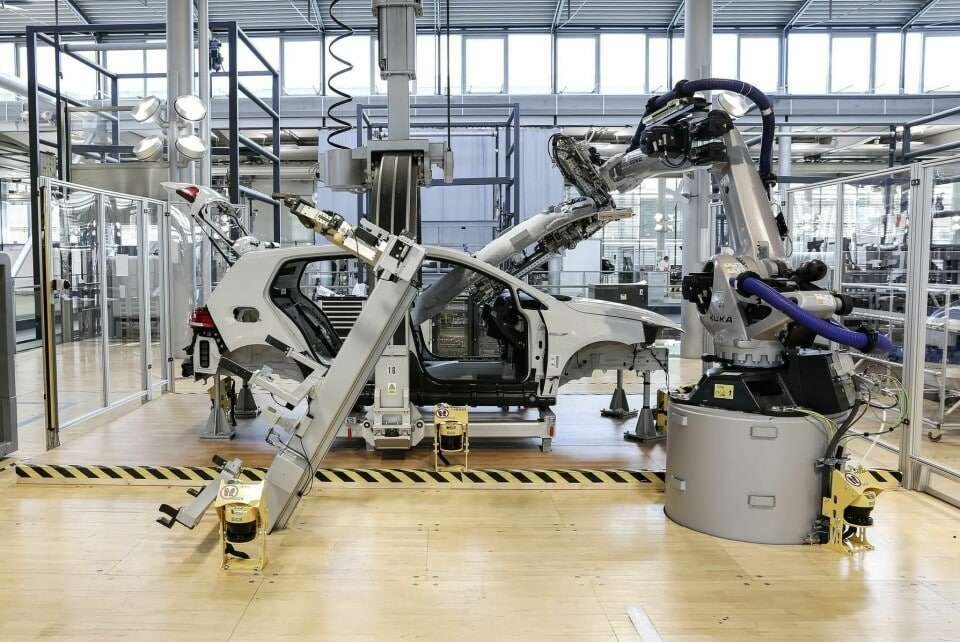
Why Is VW Doing This?
Three things are squeezing Volkswagen at once, and none of them are new — they’ve just all landed together:
1. Chinese competition is eating its lunch. Brands like BYD and Geely have been undercutting VW on price while matching or beating it on tech, especially in China — which used to be Volkswagen’s biggest market.
2. US tariffs are hurting margins. Every Porsche sold in America, for instance, is built in Germany and hit with the 25% US import tariff, which has been brutal for the brand’s profitability. (If you want the full picture on how tariffs are reshaping car prices globally, we’ve broken it down in our piece on why car prices keep climbing in 2026.)
3. The lineup got too complicated, too expensive. VW’s profit margins have roughly halved between 2021 and 2025. Building and marketing 150-plus model lines across VW, Audi, Skoda, Seat, Cupra, Porsche, Bentley, and Lamborghini isn’t cheap, and a lot of those models simply aren’t pulling their weight anymore.
What’s Actually on the Chopping Block?
VW hasn’t published a hit list, but reporting so far points to some likely directions:
- Audi has already dropped the A1 and Q2, and the ageing A8 flagship looks vulnerable.
- Porsche’s Taycan and Panamera sedans could eventually be merged into one model.
- Seat could shrink further as sibling brand Cupra takes the sportier, higher-margin models.
- Reports suggest up to four German plants — Hanover, Zwickau, Emden, and Audi’s Neckarsulm site — are being considered for closure, alongside as many as 100,000 job cuts, though VW hasn’t confirmed either figure officially.
Does This Affect VW Buyers in India?
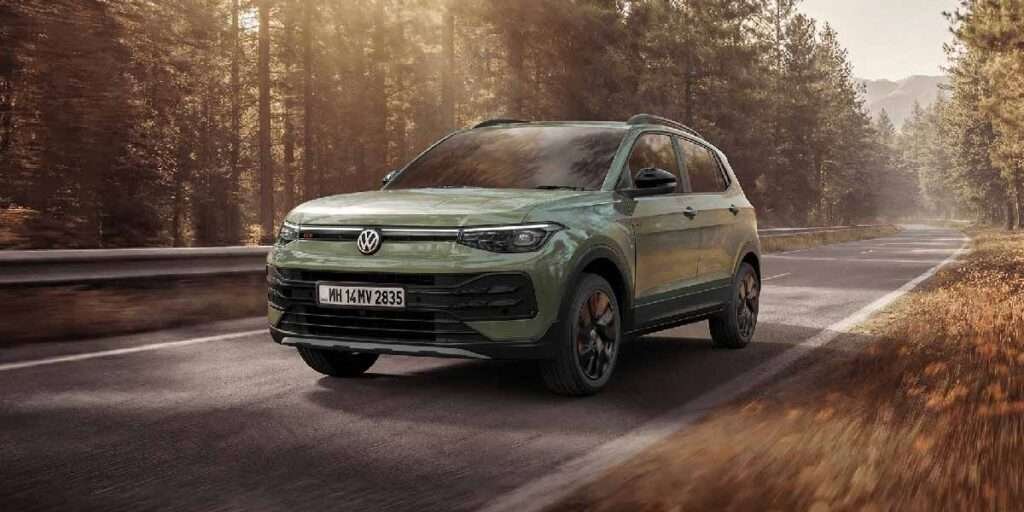
Not directly, at least not yet. Volkswagen India’s current lineup — the Taigun, Virtus, and Tiguan — sits in the “high-volume, mass-market” bracket that VW says it wants to protect, not the niche or overlapping models likely to get cut. But it’s worth watching, because a leaner global VW usually means:
- Fewer variants and configurations even on cars that do stay
- Faster decisions on which platforms get investment (and which get quietly phased out)
- Possibly sharper pricing on the models VW does decide to double down on, since R&D costs get spread across fewer cars
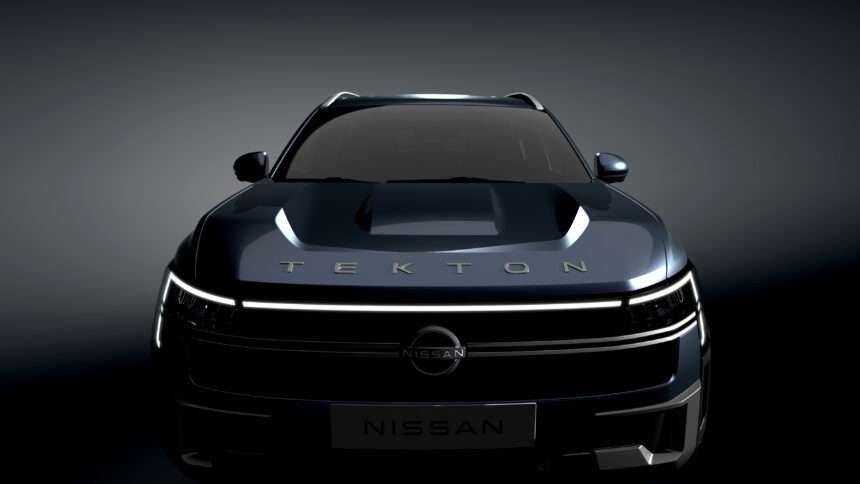
If you’re tracking the broader shift in what Indian buyers are choosing instead — SUVs, hybrids, and EVs — our recent look at the Nissan Tekton vs Renault Duster comparison is a good companion read.
The Bigger Picture
Volkswagen calling this its “future plan” is corporate-speak for what it really is: an admission that the old strategy — build everything for everyone — doesn’t work anymore in a world of Chinese EV price wars and tariff walls. Whether trimming the lineup actually fixes VW’s profitability, or whether it’s too little too late, is the question the whole industry will be watching over the next few years.
For the original announcement details, see CNBC’s coverage of VW’s restructuring and Automotive News’ report on the capacity cuts.
FAQs
Q: Is Volkswagen shutting down permanently?
No. VW is restructuring and cutting model variety, not shutting down. It’s aiming to be leaner and more profitable by 2030, not exiting the market.
Q: Will VW India models like the Taigun or Virtus be discontinued?
There’s no indication of that right now. The models likely to be cut are low-volume, overlapping, or unprofitable nameplates in VW’s European and Chinese lineups.
Q: Why is Volkswagen cutting jobs and models at the same time?
Both are part of the same cost-cutting plan — fewer models mean simpler manufacturing, which in turn means fewer plants and less labour are needed to run the business efficiently.