


Who is Colombia’s favourite Indian? While cricket legends and Bollywood stars may enjoy global fame, in Colombia, it’s Bajaj Auto—the Indian motorcycle brand that has become a celebrated part of local life, despite its origins thousands of miles away in Pune.
Walk through any Colombian city today, and a Bajaj is never far away. These motorcycles transport delivery riders, mechanics, and students alike, and on weekends, fill the highways when riders turn out in hundreds for “rodadas”—events that have become a culture of their own.
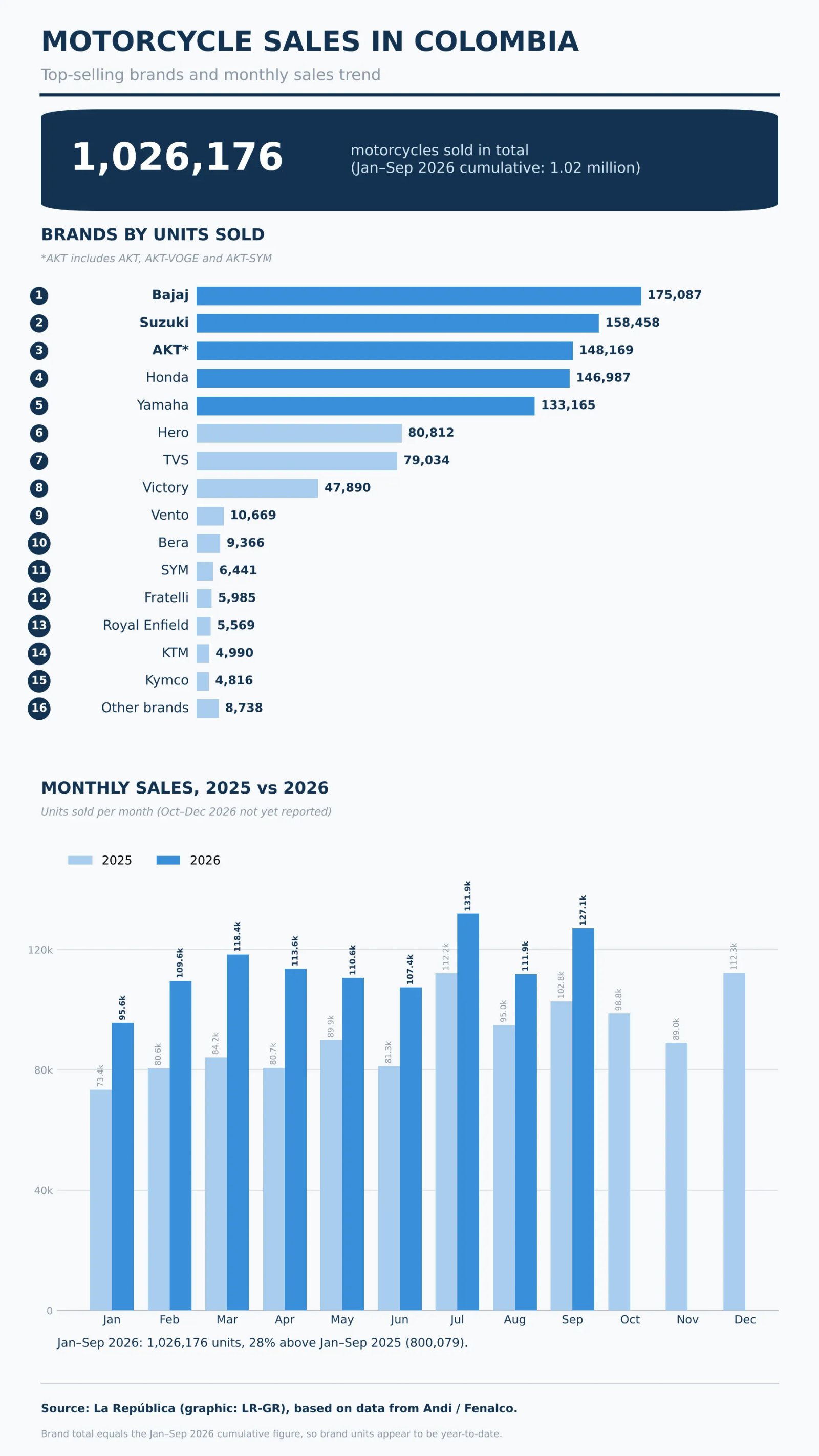
“We recorded over 180,000 new motorcycle registrations in Colombia in 2025, ranking first among motorcycle brands, and continued to lead monthly industry rankings through August 2026,” says a Bajaj Auto spokesperson.
The brand holds more than 17% of the Colombian motorcycle market, Arthur Owen, general manager of Grupo UMA Colombia, the brand’s official distributor since 2020, told the Colombian daily La República.
The Boxer and the Pulsar lead that charge. Owen added that Grupo UMA aims to sell around 250,000 units by the end of 2026 in a market of 1.38 million motorcycles a year, the world’s eighth largest.
Colombia is a country of about 52 million people. Its cities sit in the folds of the Andes, where steep gradients, congested streets and patchy public transport make a motorcycle the most practical way to get to work, deliver an order or run a small business. Medellín, Bogotá and Cali each have dense networks of mechanics, spare-parts sellers and delivery riders, and the motorcycle has become as much an economic tool as a personal vehicle.
For more than 14 million Colombians, motorcycles are critical for mobility, work, and business. The country’s two-wheeler industry supports over 130,000 formal jobs in its value chain.
According to La República, Bajaj maintains a clear lead in the market, with Suzuki in second place, followed by the local brand AKT Motos, and then other Japanese brands like Honda and Yamaha. Other Indian rivals trail well behind: Hero ranks sixth, TVS seventh, and Royal Enfield thirteenth, while KTM—part-owned and manufactured in India by Bajaj—holds the fourteenth position.
So, how did an Indian automotive brand establish such a strong presence across Colombia’s roads and cities?
Riding in on local trust
Bajaj Auto’s journey in Colombia began in May 1993 with the launch of the Colombian version of the Chetak scooter in strategic partnership with the Medellín-based assembler Auteco. The brand’s portfolio expanded in 2001 with the Boxer, followed by Pulsar and other motorcycles.
With Auteco’s established local presence, Bajaj’s products were received as reliable, locally-assembled solutions tailored for Colombian roads, fostering trust with Colombian consumers.
“Boxer strengthened Bajaj Auto’s presence in everyday mobility, building a reputation for robustness, fuel efficiency and low running costs. The arrival of Pulsar in 2004 marked a significant evolution in this journey, bringing a performance-led proposition to the market and extending Bajaj Auto’s presence into sports motorcycling,” says the Bajaj Auto spokesperson.
After the Auteco partnership ended in 2020, Bajaj opened a state-of-the-art assembly plant in Quindío with Grupo UMA. The brand adapted quickly to evolving rider preferences, gaining market share by offering durability and technology at competitive prices, filling a niche between more affordable Chinese offerings and Japanese premium models. In short, Bajaj met riders where they were—in their ambitions and in their wallets.
The brand’s presence is further supported by more than 450 stores and points of sale and over 500 authorised workshops, alongside trained technicians and access to genuine Bajaj Auto spare parts, according to Bajaj Auto.
Bajaj Auto’s product play
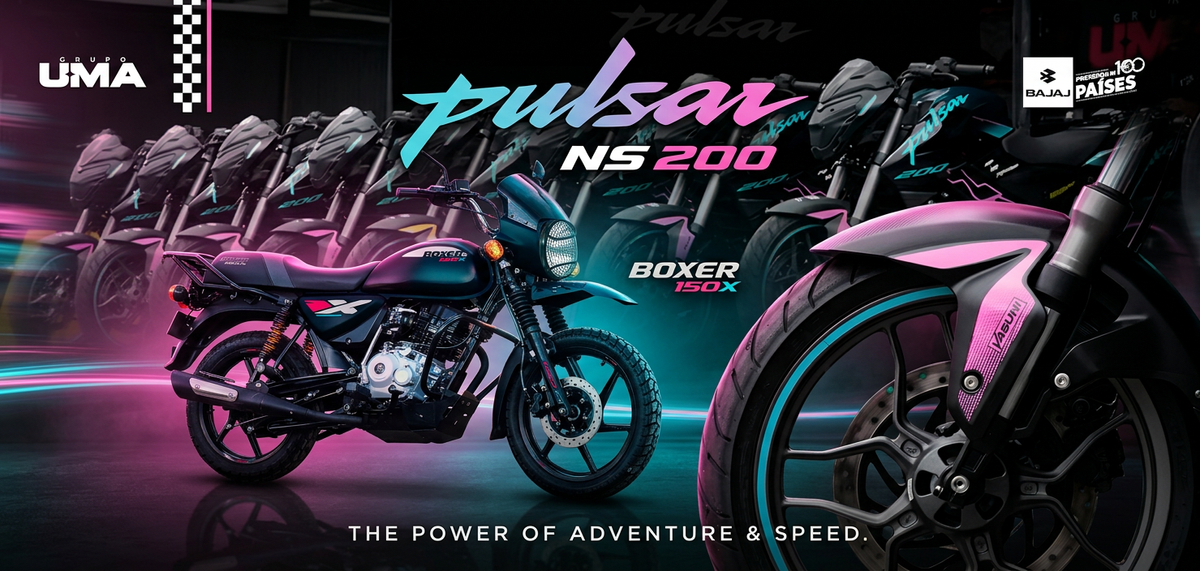
Bajaj offers models such as Boxer, Platina, and Discover as everyday workhorses, while the Pulsar line distinguishes itself with sporty performance, style, and technological features.
Sporty, powerful, youthful and performance-led, Pulsar appeals to riders looking for acceleration, riding excitement and a motorcycle that expresses their individuality.
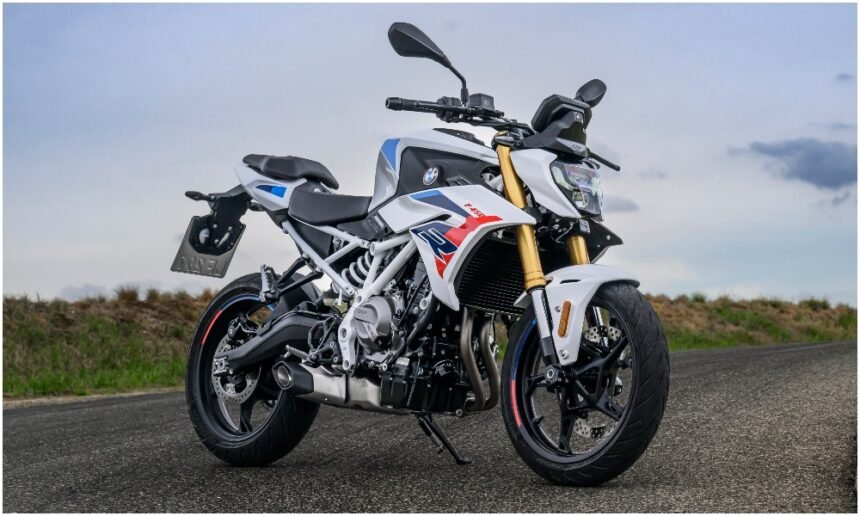
The introduction of the NS160, NS200 and NS400Z in Colombia further strengthened this proposition, demonstrating the breadth of the Pulsar range, from accessible sports performance to higher-capacity, high-performance motorcycling.
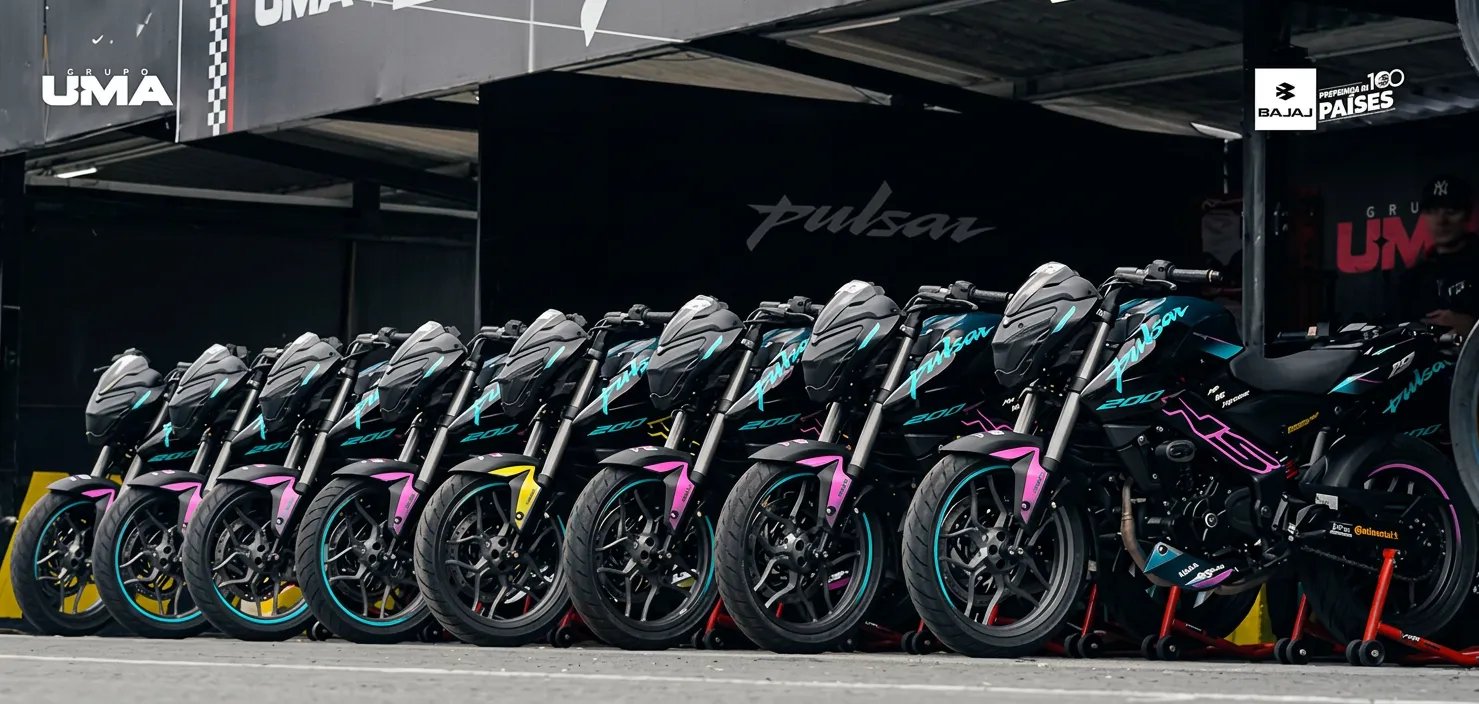
“Pulsar’s growth forms an important part of Bajaj Auto’s broader presence in Colombia, supported by a portfolio that serves customers across multiple riding needs. The range spans 125cc commuter and entry-sport motorcycles, 150/160cc and 200cc performance offerings, and 400cc motorcycles,” says the brand’s spokesperson.
This breadth allows Bajaj to compete with established international brands such as Honda, Yamaha, Suzuki, KTM and Triumph and serve a wide spectrum of customer needs, from daily commuting to high-performance riding.
Marketing with the people
Bajaj has tapped into the very spirit of Colombia’s unique “rodada” culture—mass road trips, endurance rides, and festivals. Its distribution partners have been building an owner-identity ecosystem in the country for years.
The Encuentro Nacional Pulsar is the annual national gathering of “pulsaristas”, owners and fans of Bajaj Pulsar motorcycles in Colombia. It brings together motorcycling clubs, who rotate the host city each year, and riders from neighbouring countries including Argentina, Peru, Brazil and Ecuador. They trade tips on tuning the NS200 and bolting on performance parts.
Copa Pulsar is a national amateur racing series for Pulsar owners where every single rider competes on the exact same model of Bajaj Pulsar motorcycle under identical mechanical conditions.
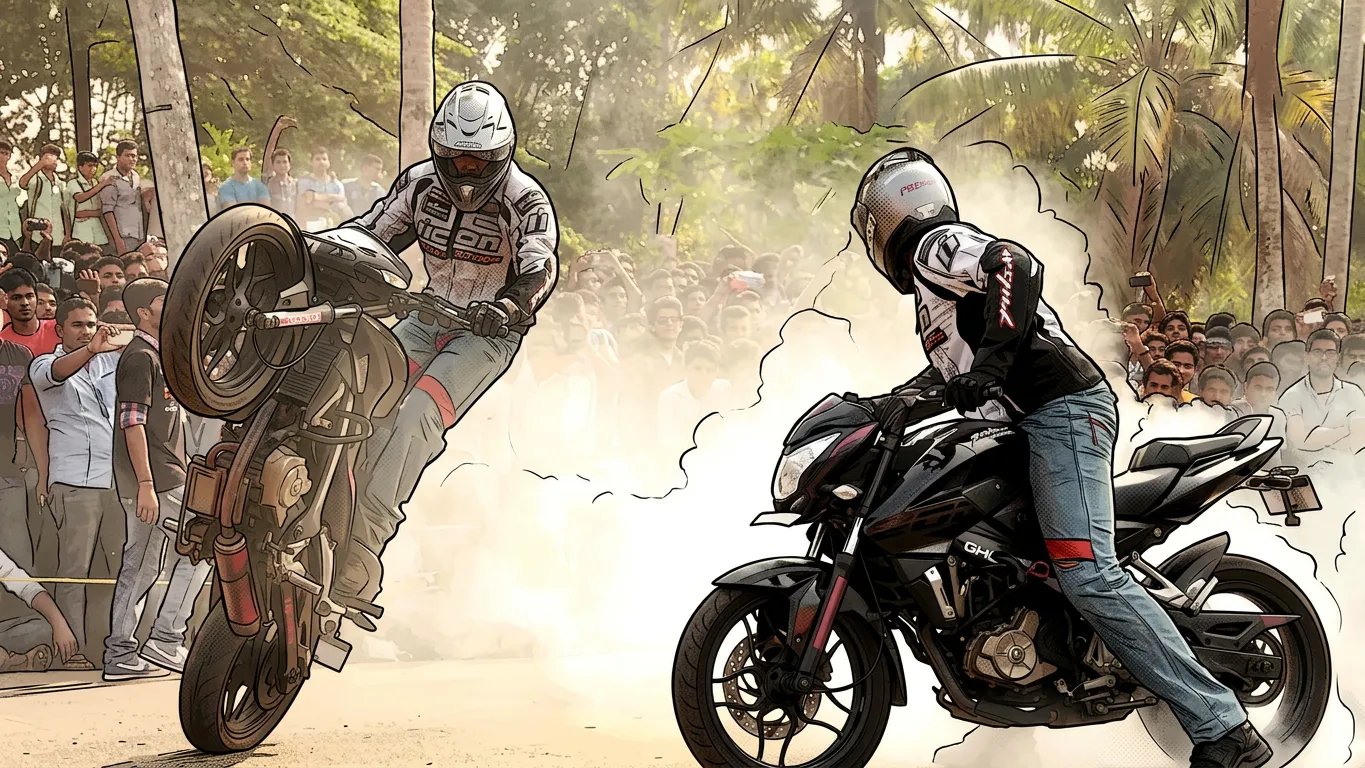
Pulsarmanía is another major motorcycle stunt and reality competition series featuring obstacle courses, extreme riding challenges, and professional stunt riders. It draws over 2,000 rider applicants.
Events such as these are major attractions for the youth and motorcycle enthusiasts, thus further sealing their brand loyalty with the motorcycle brand.
What’s next?
According to Bajaj Auto Ltd, local assembly is an integral part of the brand’s presence in Colombia, reflecting its approach to serving the market through local manufacturing. The company also adopts Total Productive Maintenance (TPM) practices to support operational efficiency, productivity and quality.
The next test for the brand is scale. Grupo UMA aims to sell around 250,000 units by the end of 2026, a figure that depends on its newer assembly capacity in Pereira keeping pace with demand.
Bajaj has also been building its regional footprint, with assembly in Mexico and, since 2024, in Manaus, Brazil, which could make Colombia one part of a larger Latin American play rather than a single success story.
The Pulsar NS400Z, meanwhile, points to where the brand wants to go: up the range, towards the larger-capacity bikes that Honda, Yamaha and Triumph have long held. Whether the riders who grew up on a Boxer will follow Bajaj is the question the next few years will answer.