



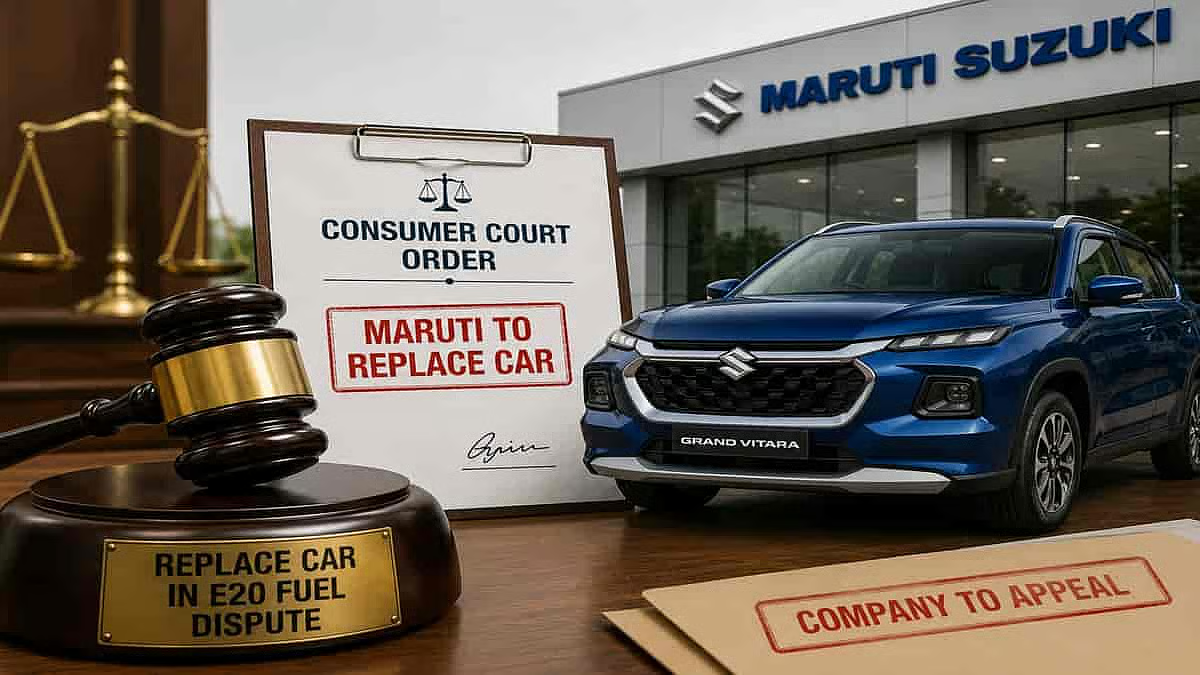
A Raipur-based doctor bought a brand-new Grand Vitara in January 2023. Within months, the engine was cutting out on him at random, and no amount of trips to the service centre made it stop. When Maruti refused to give him a car that could actually handle E20 fuel, he took the matter to a consumer court — and came out on top.
That’s the Grand Vitara E20 fuel dispute in a nutshell. Below is how it played out, what the court ordered, and how Maruti is responding — and if you’re tracking Maruti’s other recent moves, check out our coverage of the Maruti Brezza facelift bookings too.
What Actually Happened
Back in January 2023, Dr. Premraj Devangan (some reports spell it Debta) drove home a brand-new Maruti Suzuki Grand Vitara Strong Hybrid, the Zeta+ variant. It didn’t take long for things to go wrong.
The engine kept stalling. Not once, not twice — over and over, at random. Each time, he’d take it back to the service centre, and each time he’d get the same fix: drain the tank, clean it out, refill with fresh petrol. Simple enough, except it never actually solved anything. The stalling kept coming back.
At some point, Dr. Devangan connected the dots. He suspected the real issue wasn’t the fuel he was putting in — it was that his car simply wasn’t built to run on E20, the ethanol-blended petrol that’s now showing up at pumps across India.
So he asked Maruti and its dealer, NEXA Magneto, for a straightforward solution: swap the car for one that could actually handle E20. They refused. That refusal is what pushed him to file a complaint with the District Consumer Disputes Redressal Commission (DCDRC) in Raipur, Chhattisgarh.
The Court’s Order
On July 14, the commission — headed by President Prashant Kundu, alongside member Dr. Anand A Varghese — sided with the doctor, according to Bar & Bench’s report on the order. Their finding was blunt: the specific Grand Vitara he’d been sold simply wasn’t E20 compatible. Refusing to help him get a compliant replacement, the commission said, amounted to a deficiency in service and an unfair trade practice.
The order itself is straightforward. Maruti Suzuki and its dealer have 45 days to hand him a brand-new Grand Vitara — same model, but this time with an engine that can genuinely handle E20 fuel.


And if they don’t deliver in time? The fallback is expensive. Maruti would owe the full value tied to the car, about Rs 20.50 lakh in total. That breaks down to Rs 18.29 lakh for the car itself, plus insurance and RTO charges. On top of that, there’s Rs 1 lakh for the mental harassment he went through, and another Rs 10,000 to cover his legal fees. Miss the deadline, and interest starts adding up too.
A single consumer complaint rarely results in a payout this large, which is part of why the order has drawn so much attention.
Maruti Suzuki’s Response
Maruti isn’t taking this lying down. Soon after the order came out, the company put out an official statement pushing back on almost every part of it.
Maruti confirmed it had learnt of the commission’s order and disputed nearly every part of it. Its central claim: the car sold to Dr. Devangan was genuinely E20 compatible, and this was clearly spelled out in the owner’s manual. The company went further, saying it found contamination in the fuel sample taken from the customer’s vehicle — effectively pointing the finger at fuel quality rather than the engine itself. It also argued that several relevant facts hadn’t made it into the commission’s order.
Maruti closed its statement by confirming it will “take necessary steps to challenge the impugned order” before a higher forum, while reaffirming its broader commitment to quality, safety, and customer satisfaction through its engineering and processes.
Strip away the corporate language and the argument comes down to this: Maruti says the car worked as advertised, and the fuel is what let it down — not the other way around. Whether that holds up is now for a higher forum to decide.
This one isn’t finished. It’s headed to appeal, with the core question — car or fuel — still unresolved.
Maruti Suzuki has clarified its position on the Raipur District Consumer Disputes Redressal Commission’s order regarding an E20-compatible vehicle.
— Amit Malviya (@amitmalviya) July 16, 2026
According to the company:
• The vehicle in question was fully E20 compatible, as disclosed in the owner’s manual.
• Evidence of… pic.twitter.com/noIMz7kBD0
Why This Case Matters Beyond One SUV
This isn’t only about one car. It’s a symptom of a much bigger shift underway on Indian roads.
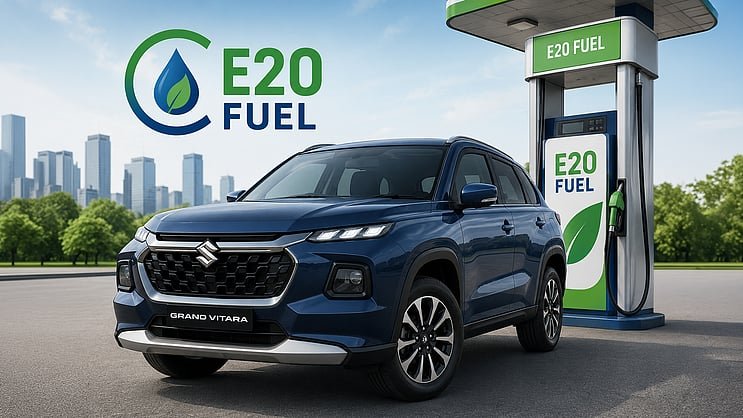
E20 petrol — a mix of 20% ethanol and 80% regular fuel — is a cornerstone of the government’s plan to cut oil imports, reduce emissions, and support homegrown biofuel production. Good goal, on paper.
But the rollout has exposed a gap between the marketing and the mechanics. Plenty of cars built before the E20 push, and even a few labelled “E20 Ready,” haven’t handled the blend as smoothly as promised. Owners have reported fuel system corrosion, dropped mileage, and stalling — which is precisely what landed this case in court.
Automakers, Maruti included, have rushed to update engines and stick “E20 compatible” badges on new models. But this ruling is a reminder that a sticker isn’t a guarantee. When something does go wrong, manufacturers can’t just shrug and blame the fuel.
What This Means If You Drive a Grand Vitara
To be clear, this ruling doesn’t pull the Grand Vitara off the market. It’s still very much on sale through Nexa showrooms, priced roughly between Rs 10.99 lakh and Rs 20.09 lakh (ex-showroom), and current buyers aren’t affected. If you’re shopping around, our New Cars section tracks pricing and launch updates across the segment.
What probably will change is how Maruti — and other manufacturers watching this closely — handle fuel-related complaints going forward. Expect tighter scrutiny around E20 compatibility claims, and hopefully, quicker and less combative responses when owners report stalling tied to ethanol-blended petrol.
If you own a Grand Vitara and have run into similar issues, it’s worth double-checking your owner’s manual for the car’s actual E20 rating, and keeping records of every service visit. Documentation is exactly what helped this case succeed.
The Bigger Picture
Whichever way the appeal lands, this case has already achieved something useful — it’s put a spotlight on the tension between India’s ethanol push and the reliability people simply expect from a new car. As E20 becomes the default fuel at pumps nationwide, more owners, and more courts, are likely to start asking the same question this doctor did: if the government mandates the fuel and the manufacturer sells the car, who actually takes responsibility when the two don’t get along?
For now, the Grand Vitara E20 fuel dispute remains one of the most closely watched consumer rights cases in India’s auto sector this year — and how the appeal plays out could shape how manufacturers handle similar complaints for years to come.