

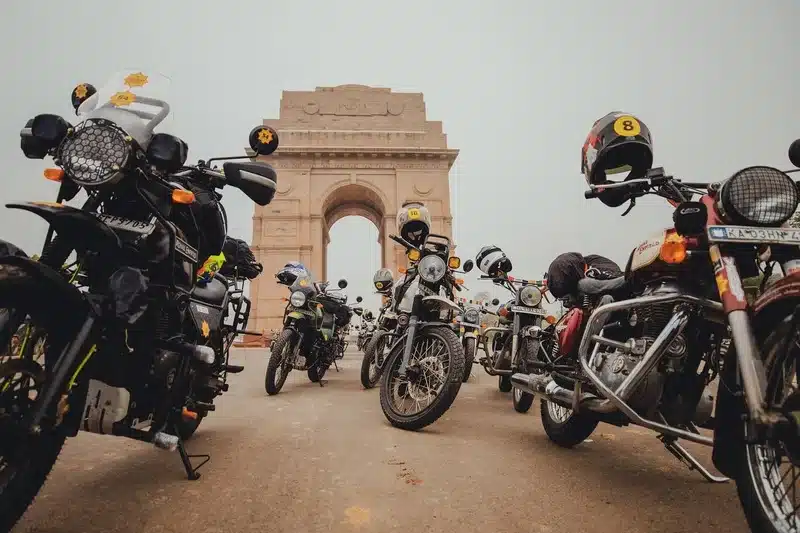
If you’ve been eyeing a Royal Enfield lately, or you already ride one around Delhi, you’ve probably seen the headlines: “Delhi to ban petrol two-wheelers.” And if you’re anything like most people who read that line, your first reaction was probably somewhere between “wait, what?” and “do I need to sell my bike now?”
Take a breath. It’s not that dramatic. But it’s also not nothing. Let’s actually walk through what’s happening, what it means for you specifically if you ride or want to ride a Royal Enfield, and where the real pressure points are.
What Delhi’s EV Policy 2.0 Actually Says
The Delhi Cabinet approved a new EV Policy 2.0 that kicked in from July 1, 2026. It’s an aggressive push to move the capital off internal combustion two- and three-wheelers, but it’s rolled out in stages, not overnight:
- From January 1, 2027, only electric three-wheelers can be newly registered in Delhi — no more new petrol or CNG auto-rickshaws.
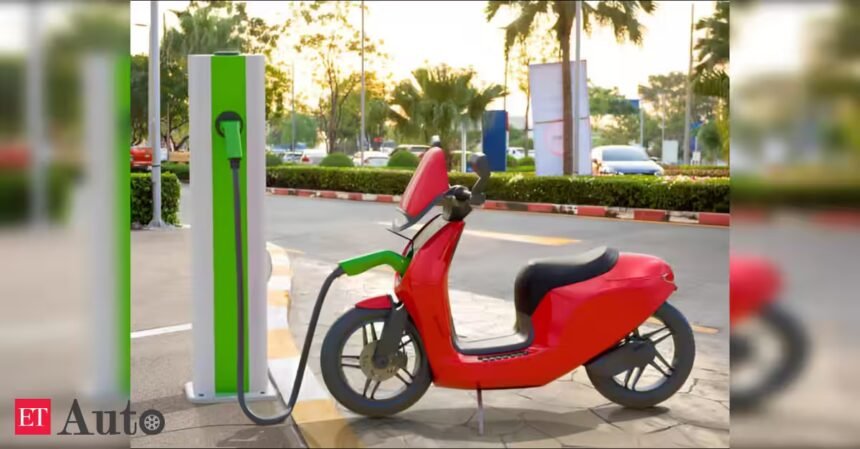
- From April 1, 2028, the registration of new petrol and CNG motorcycles and scooters stops completely. From that date, if you’re buying a new two-wheeler in Delhi, it has to be electric.
Here’s the part that actually matters for existing owners: this doesn’t touch bikes you already own. The policy is not retroactive. If you’re riding a Classic 350 or a Bullet today, you can keep riding it, registering it, insuring it, and passing it down to your kids for its entire legal lifetime. Nobody’s coming for your keys.
To soften the transition, the Delhi government has also committed roughly ₹15,000 crore over four years, with first-year buyer subsidies of ₹30,000 for electric two-wheelers and ₹50,000 for electric three-wheelers.
So Why Does This Matter for Royal Enfield Specifically?
Two words: no options.
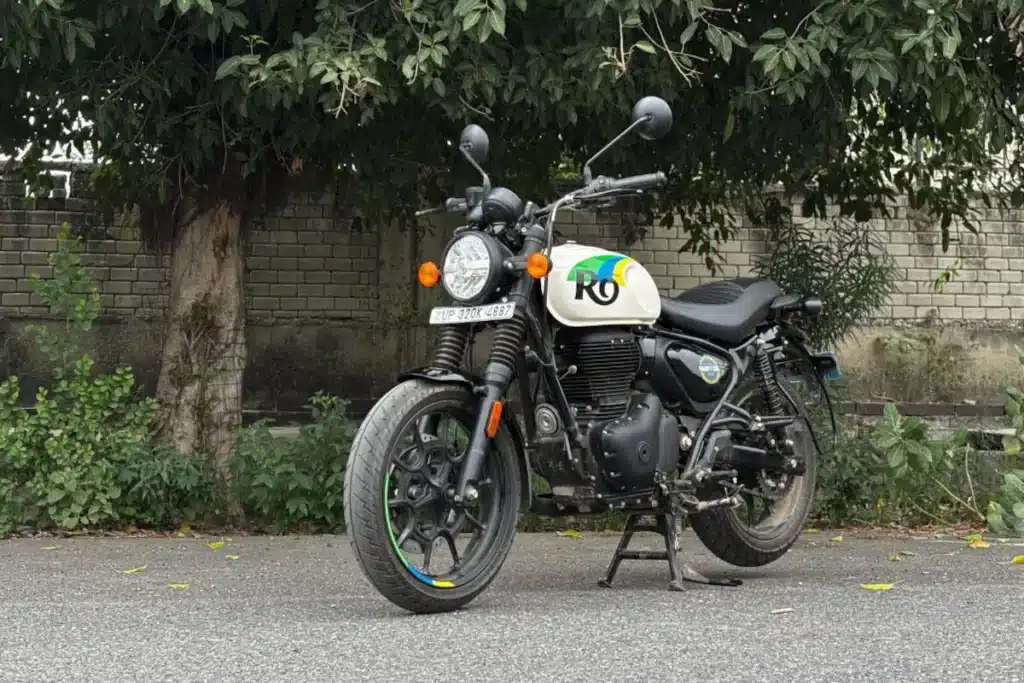
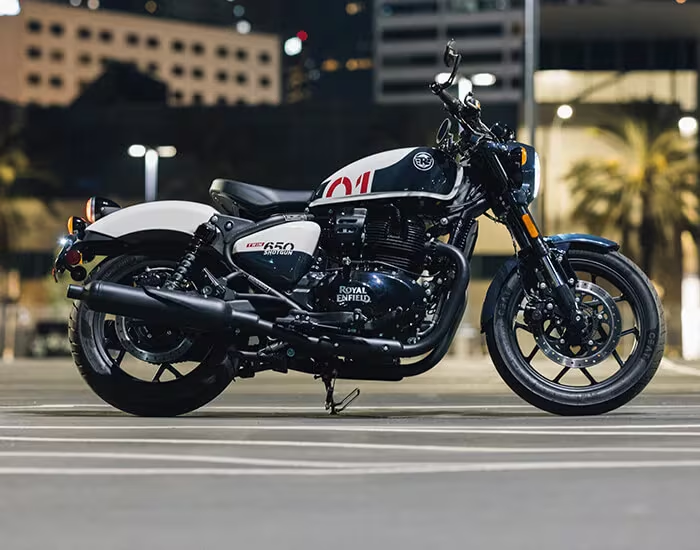
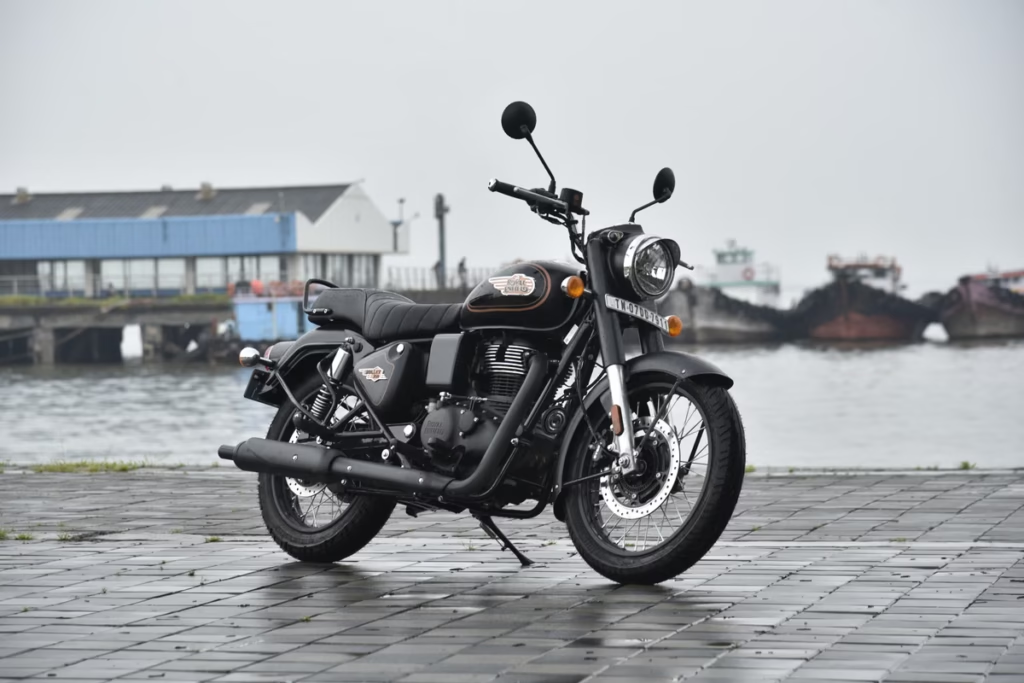
Right now, Royal Enfield has zero electric motorcycles on sale in India. The brand’s electric sub-label, Flying Flea, is still working its way to market. So while Bajaj, TVS, and Hero already have functioning EV two-wheeler lineups to fall back on when the 2028 deadline hits, Royal Enfield’s flagship petrol lineup — Classic 350, Bullet 350, Hunter 350, Meteor 350 — has nothing to hand a first-time Delhi buyer once new petrol registrations stop.
That doesn’t mean RE riders in Delhi are stuck. It means:
- Existing owners are completely unaffected for the life of their vehicle.
- New buyers in Delhi after April 2028 will need to look at Flying Flea (if it’s launched by then) or register their bike outside Delhi — which industry watchers have already flagged as a likely loophole, since neighboring states like Haryana and UP haven’t announced matching bans.
- Royal Enfield itself is under real pressure to get an electric retro-classic to market before this deadline bites into its biggest market.
The Air Quality Argument Automakers Are Making
It’s worth knowing both sides here, because this isn’t uncontested. Automakers pushed back on the timeline, arguing that banning modern BS6 petrol bikes doesn’t move the needle much on pollution — because older, pre-BS-IV two-wheelers are responsible for close to 99.5% of particulate emissions from the two-wheeler segment. Their proposal: focus enforcement on scrapping old, dirty bikes rather than blocking new, cleaner ones.
The Delhi government held firm on the 2028 date anyway. Whether that’s the right call is a genuinely open debate — but it’s useful to know the counterargument exists, especially if you’re a rider frustrated by the policy.
What This Means If You’re Considering a Classic 350 or Bullet 350 Right Now
If you’re in Delhi and thinking about buying a Royal Enfield in the next year or two, here’s the honest read:
- Buying now is completely safe. You get years of unrestricted use regardless of what happens in 2028.
- The resale value conversation might shift slightly as 2028 approaches, since secondhand petrol bikes could become more desirable in Delhi once new registrations stop — similar to what happened with older diesel cars after NGT rulings.
- Charging infrastructure is still the real bottleneck, not rider sentiment. Even industry analysts flagged that public charging rollout has lagged behind targets, which is arguably a bigger open question than whether people want to switch.
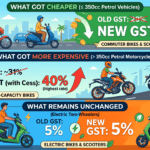
If you’re weighing a petrol retro-classic against something newer, it’s also worth checking out how the recent GST rate cut has changed pricing across the bike and scooter market — because tax changes are moving just as fast as policy changes right now, and the two are shaping the market together.
Where This Leaves Royal Enfield as a Brand
This is less a story about individual riders and more a story about a company racing a clock. Royal Enfield has spent over a decade owning the retro-350 segment in India virtually unchallenged. Now it’s fighting a two-front battle: new petrol rivals are circling (more on that below), and its home city just put a hard date on when new petrol bikes stop being an option at all.
If you’re curious how RE’s petrol rivals are shaping up in the meantime, we’ve broken down the best bikes under ₹1.5 lakh worth test-riding right now, several of which sit in the exact segment this policy affects most.
Bottom Line
Delhi’s petrol bike ban is real, it’s dated, and it’s coming — but it’s a 2028 problem for new registrations, not a today problem for existing riders. If you already own a Royal Enfield, ride on. If you’re buying one now, buy with confidence. The thing actually worth watching isn’t your bike — it’s whether Royal Enfield gets a genuine electric retro-classic to market before the clock runs out.