




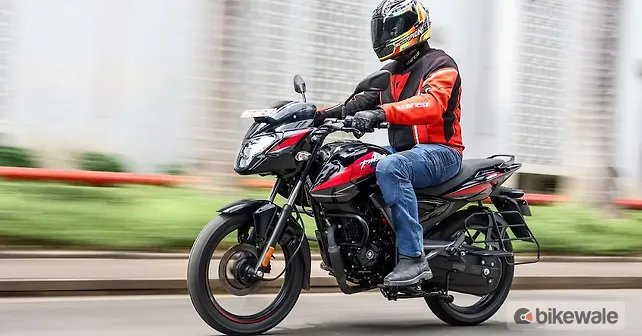
- New chassis and lower weight make it agile
- Smooth engine and light clutch work especially well in city traffic
For the good part, the 2026 Bajaj Pulsar 125 Next Gen at first glance remains very much the Pulsar that most of us recognise. Its proportions, that muscular fuel tank and familiar stance has not been done away with. However, beneath those recognisable panels sits a motorcycle that has been extensively reworked.
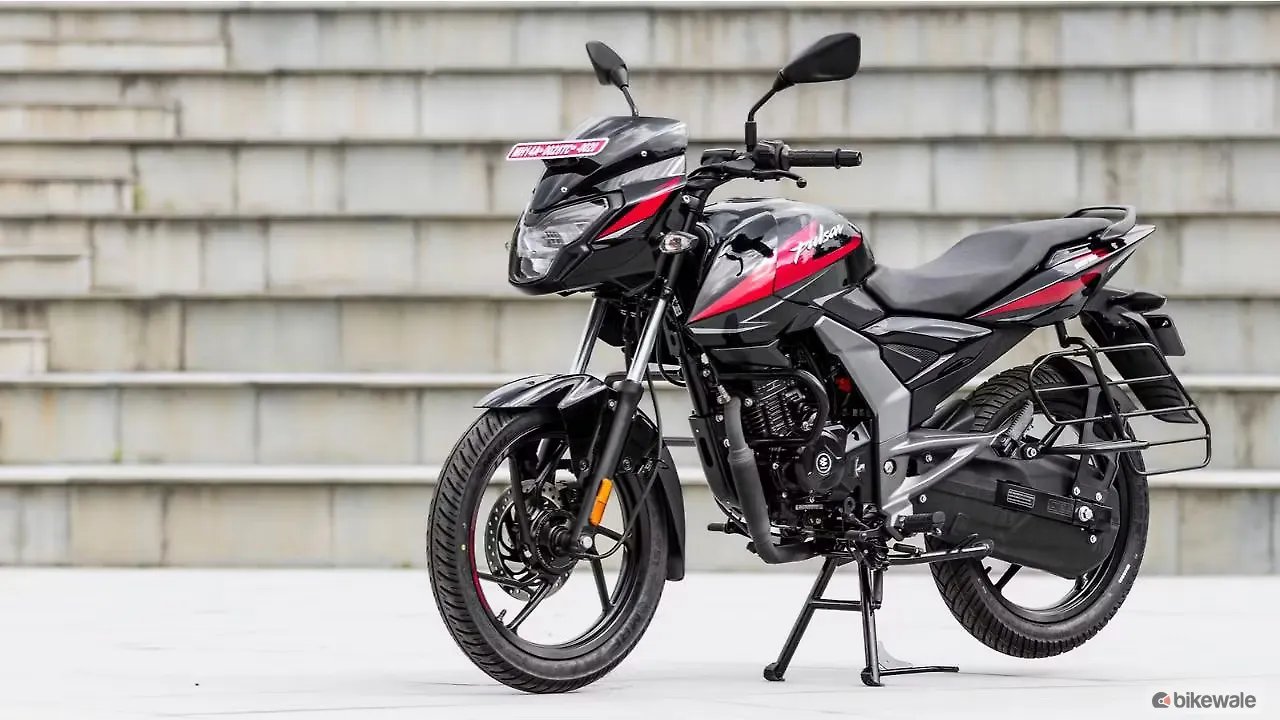
We recently rode the Single Seat version with the five-inch colour LCD through Pune. The one in these pictures is the base Next Gen variant and was priced at Rs 92,990 when we tested it. This 125 range extends further to TFT-equipped versions, with the fully loaded Split Seat TFT+ priced at Rs 1.04 lakh (all mentioned prices are ex-showroom).
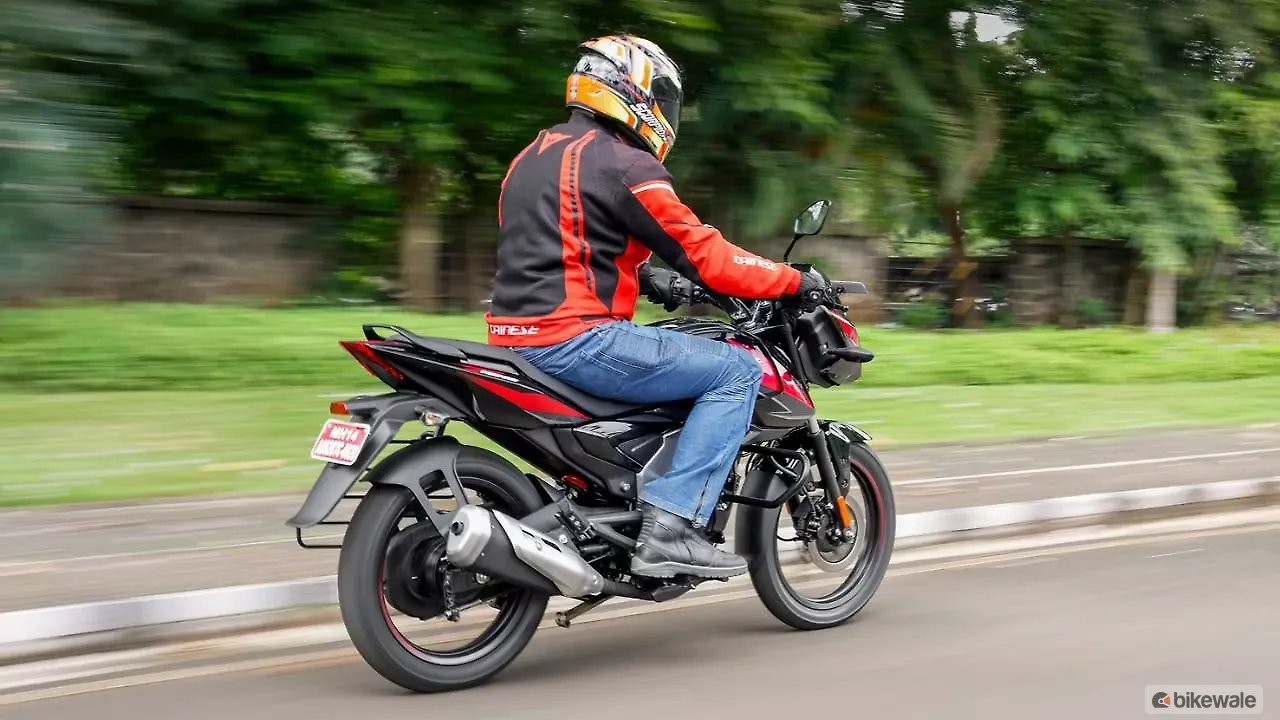
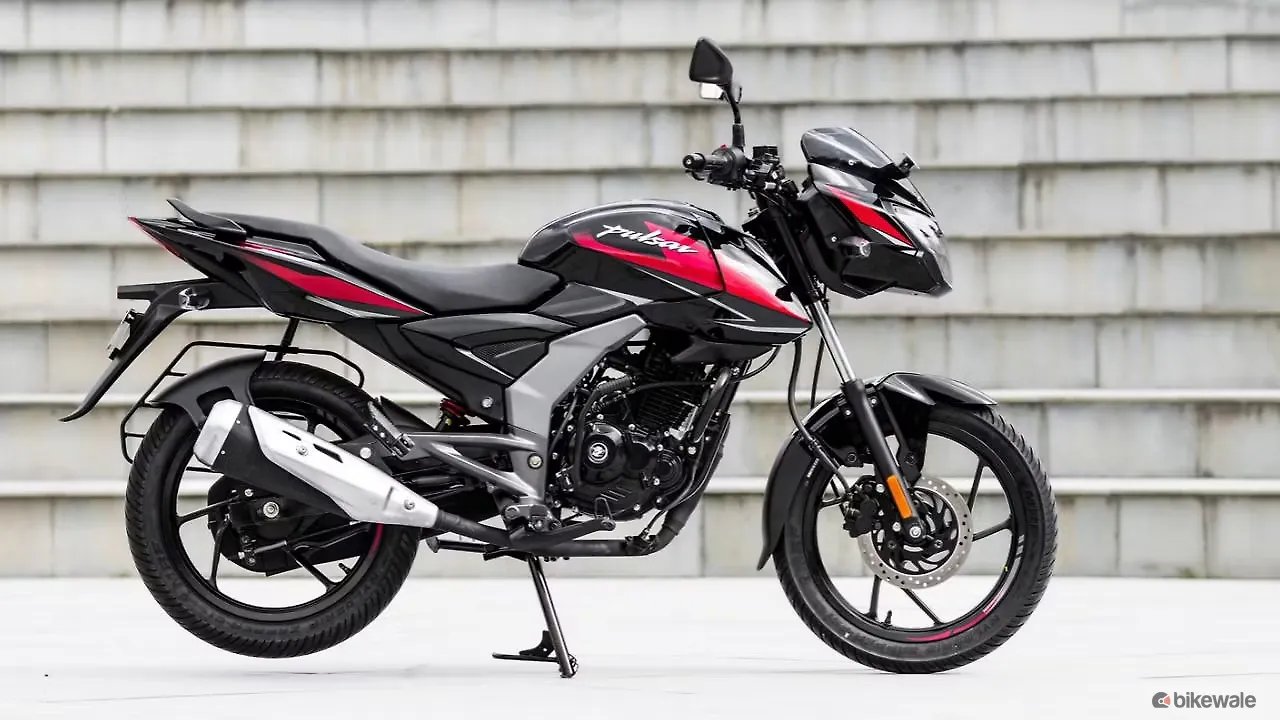
Bajaj has chosen to place the Pulsar 125 within the Classic side of the Pulsar family, so there is none of the sharper bodywork seen on the newer N or NS motorcycles. Instead, the familiar fuel tank, upright riding position and conventional tail section remain prominent.
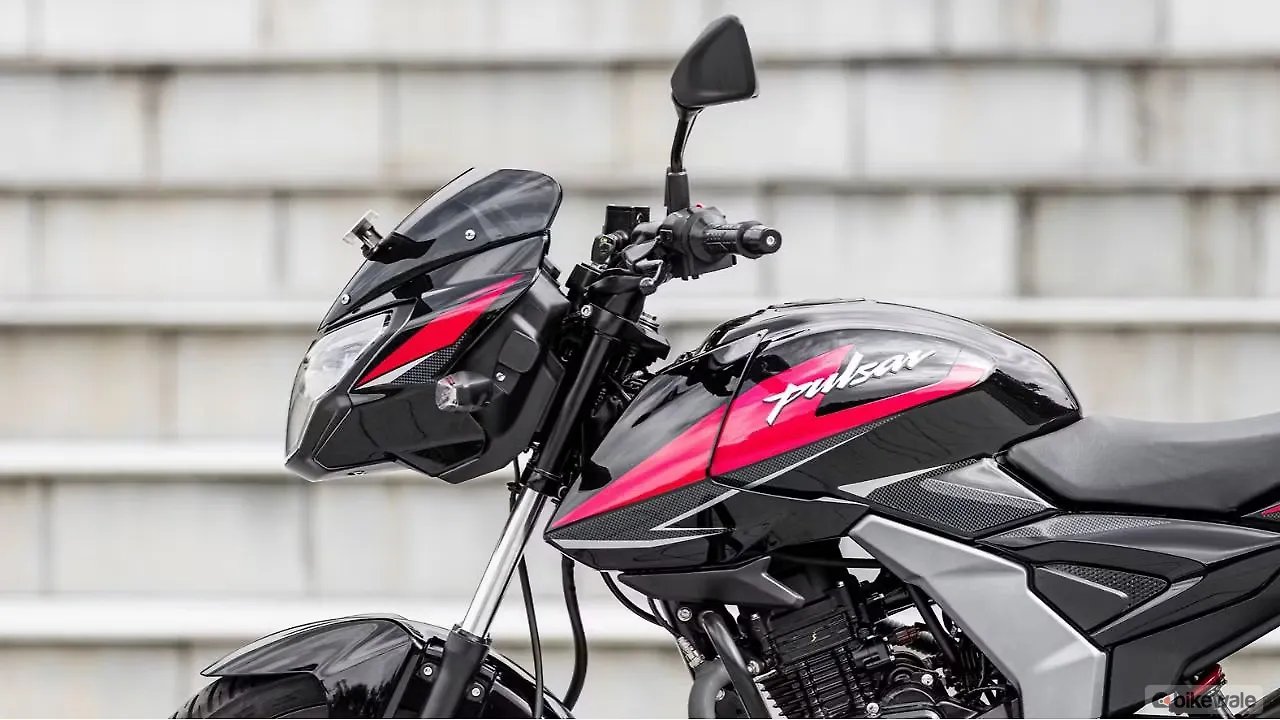
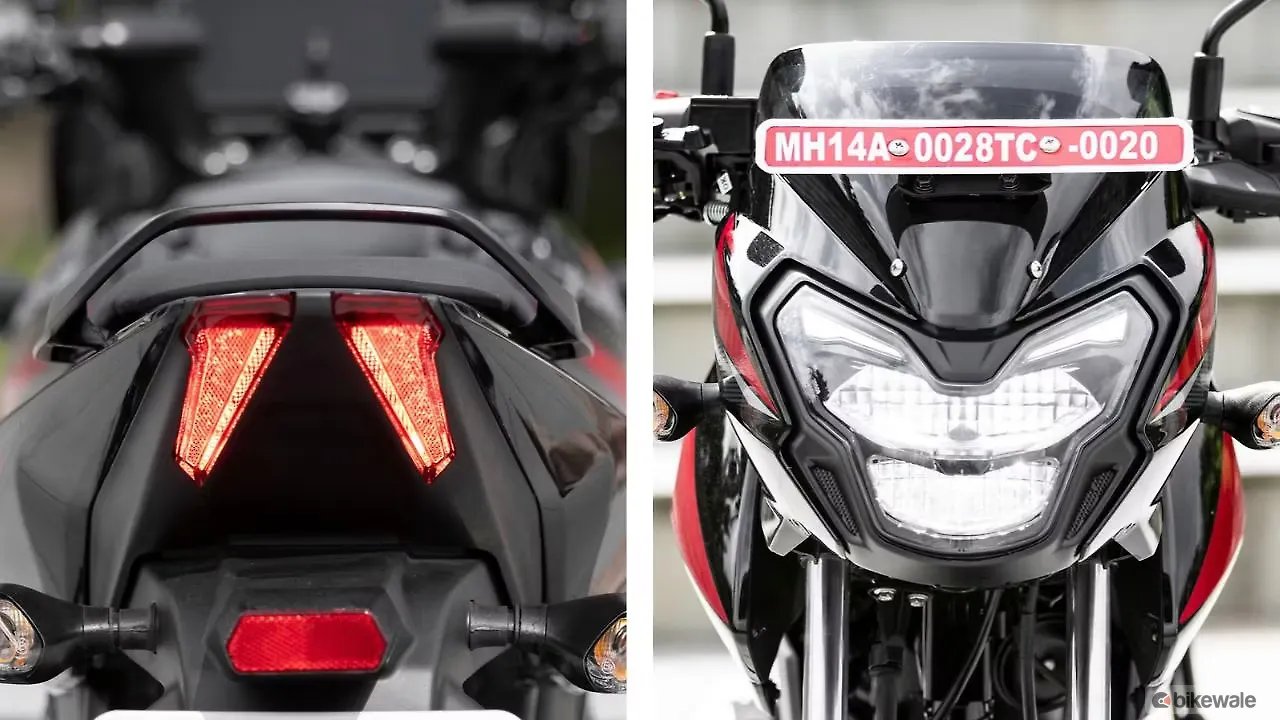
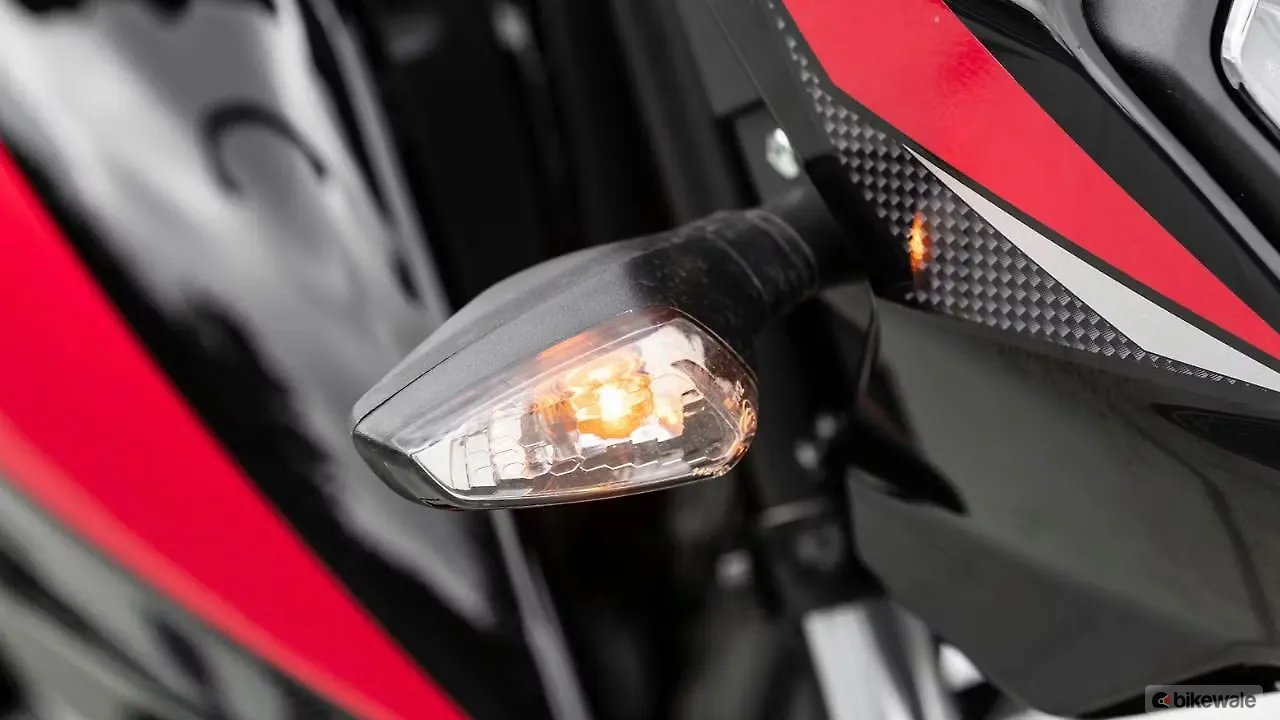
The detailing has been refreshed, while the redesigned Wolf-Eye LED headlamp brings a noticeably newer face. An LED tail lamp is also part of the package. The Single Seat LCD motorcycle seen here gets conventional bulb indicators, while higher variants add LED units.
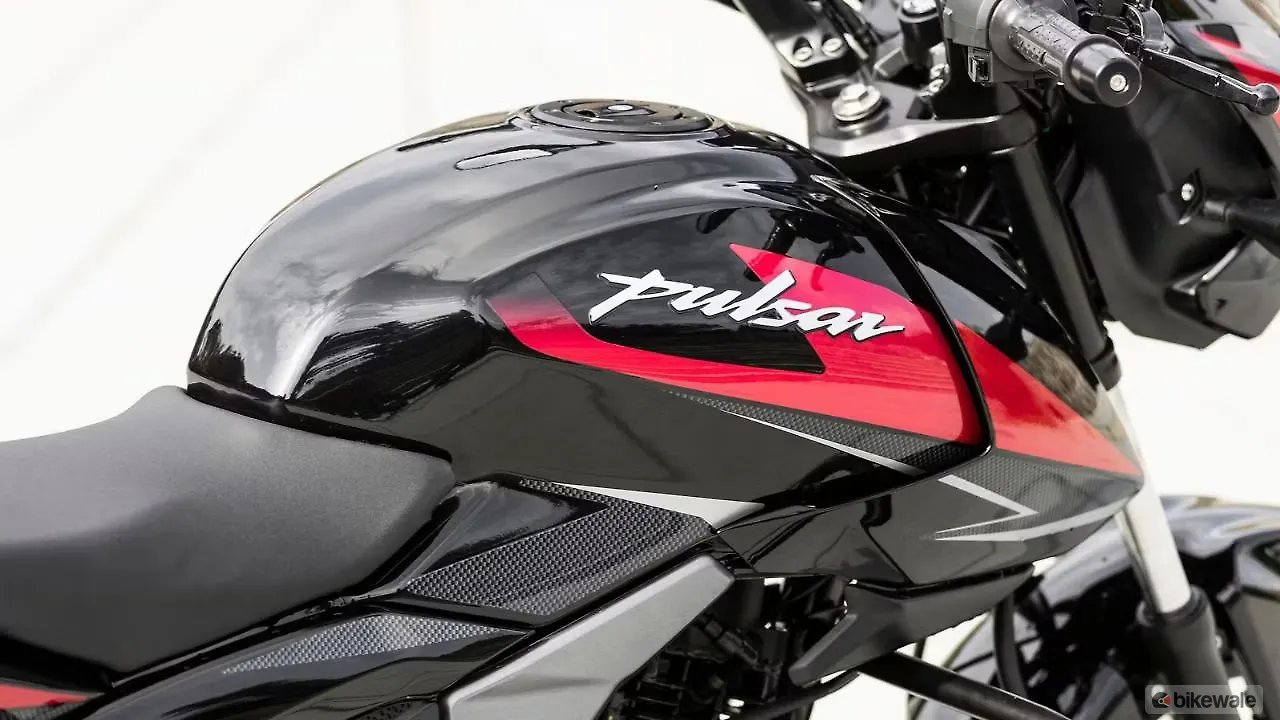
The tank graphics add some colour without becoming too loud, while the blacked-out mechanical components retain the sporty commuter theme. The exhaust remains neatly tucked, and it looks butch as well.
The previous double-cradle frame has been replaced with a diamond tubular chassis that uses the engine as a stressed member. This frame is hence 20 percent lighter and 60 percent stiffer than before. More importantly for you, overall kerb weight has fallen from 146kg to just 131kg.
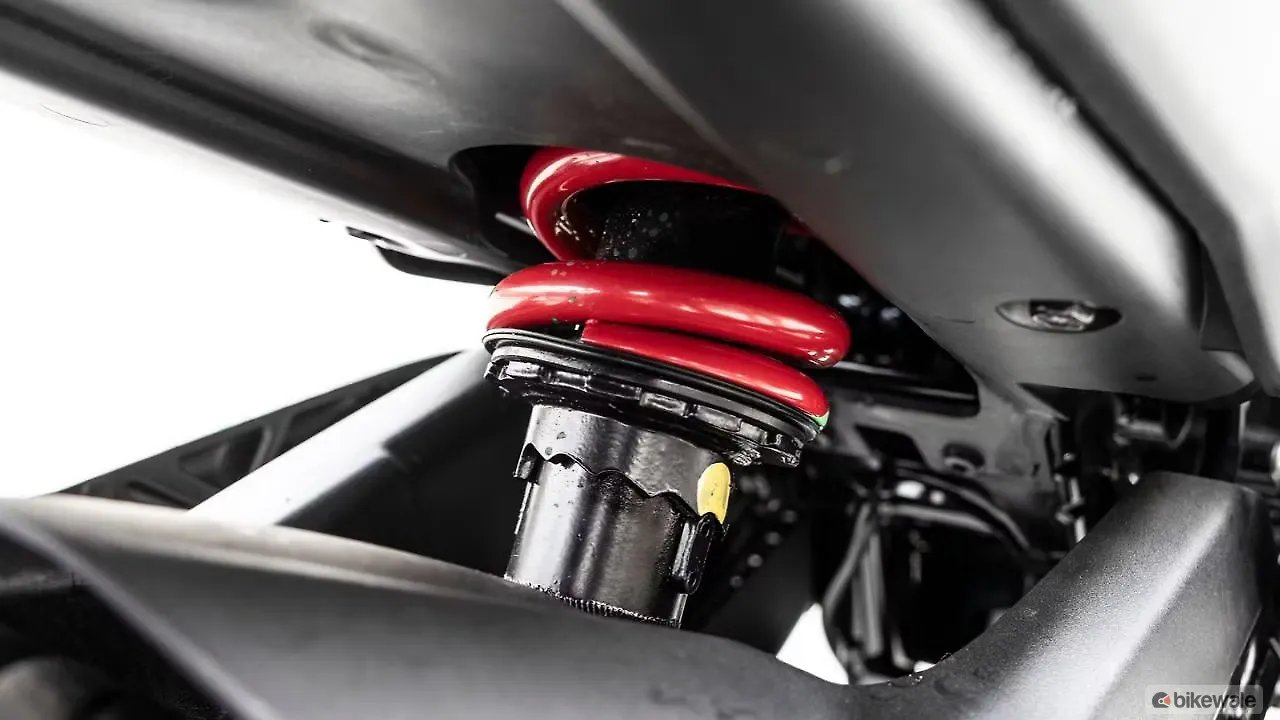
Rear suspension duties are also now handled by a monoshock with 110mm of travel instead of the twin shock absorbers. Ground clearance has moved up from 165mm to 184mm. Seat height still remains very accessible at 795mm.
This 124.58cc air-cooled single produces 11.8bhp at 8,500rpm and 11.4Nm at 6,500rpm. Bajaj claims 85 percent of maximum torque is available from around 3,000rpm, and it honestly felt like it. The five-speed gearbox also uses revised ratios with the company claiming up to 12 percent more tractive effort at the wheel.
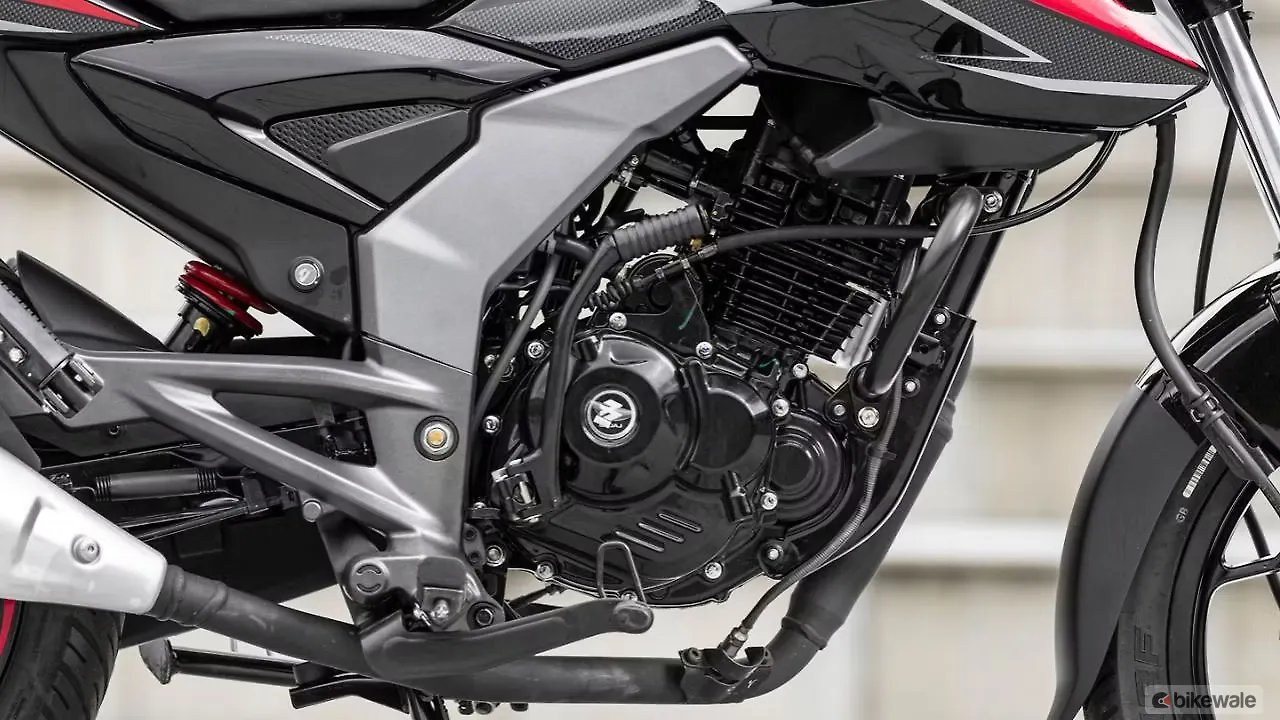
Quoted 6.4 seconds for the 0-60kmph run and a 99kmph top speed. Claimed WMTC efficiency stands at around 55kmpl. These figures will need verification when we get the motorcycle for a full road test.
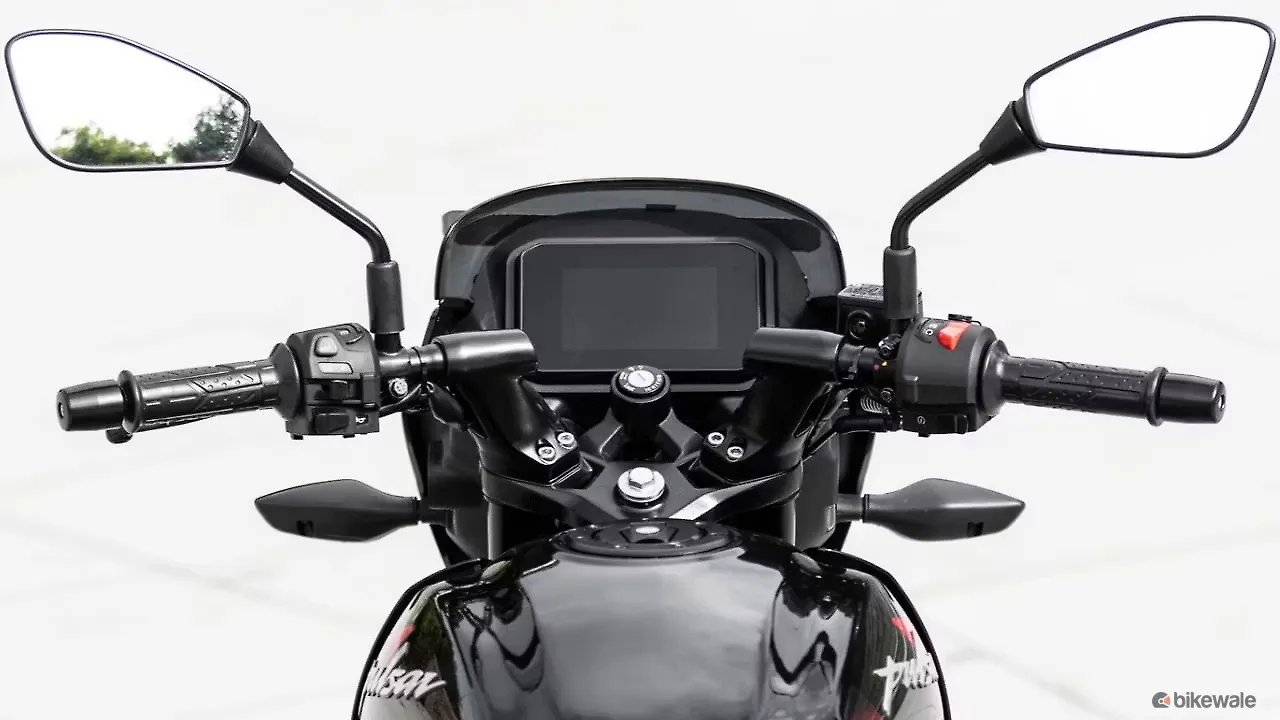
Our test bike had the five-inch colour LCD visible in the gallery. It includes Bluetooth connectivity and turn-by-turn navigation, along with the usual speed, revs, gear position, fuel and trip information. The richer TFT versions further up the range add more connected functions, while the highest variant brings Wi-Fi and Google Maps mirroring.
The motorcycle is extremely flickable. Moving from one side of a lane to the other or quickly adjusting your line through Pune traffic feels natural. It never feels cumbersome at parking speeds or reluctant when asked to turn quickly.
To its credit, the clutch is light, friendly and easy to modulate suiting the Pulsar’s nippy nature. Stop-start traffic therefore requires very little physical effort. The engine feels smooth through most of its working range and responds cleanly enough at everyday speeds.
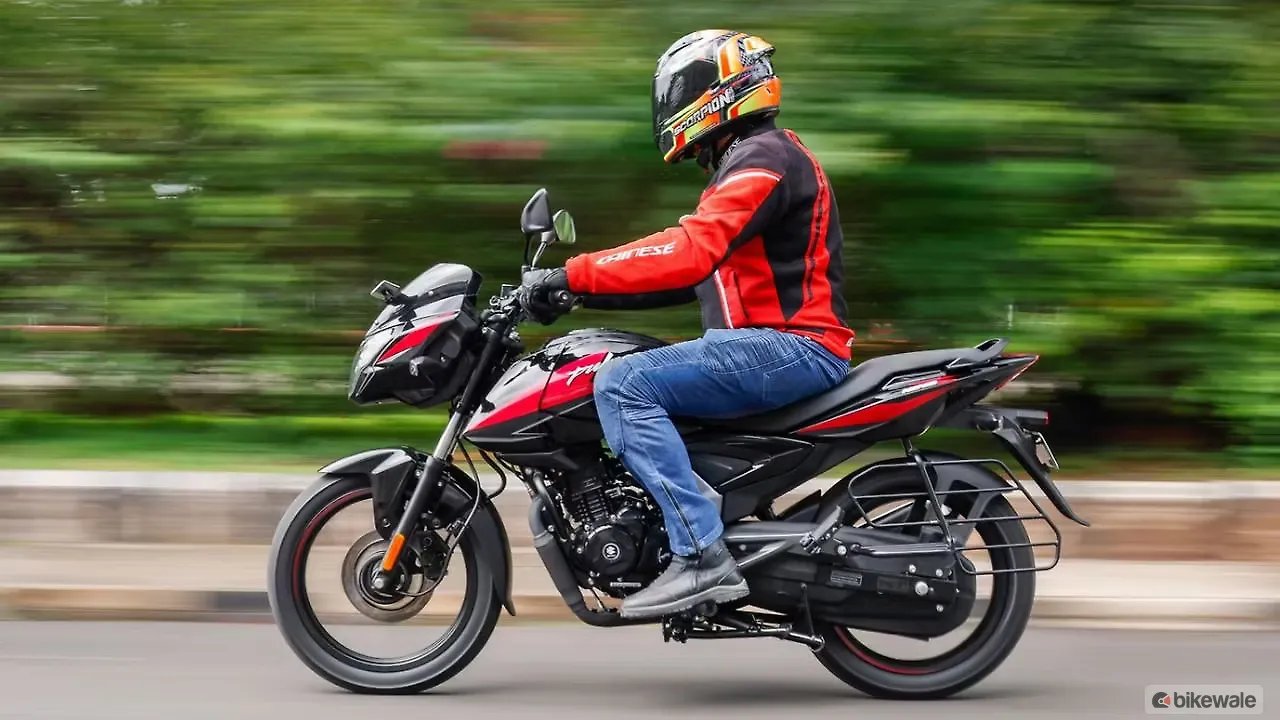
Refinement was another pleasant surprise. The engine remained impressively smooth until roughly 7,000rpm after which some fine vibrations started appearing. Even then, they never became harsh during our relatively short stint.
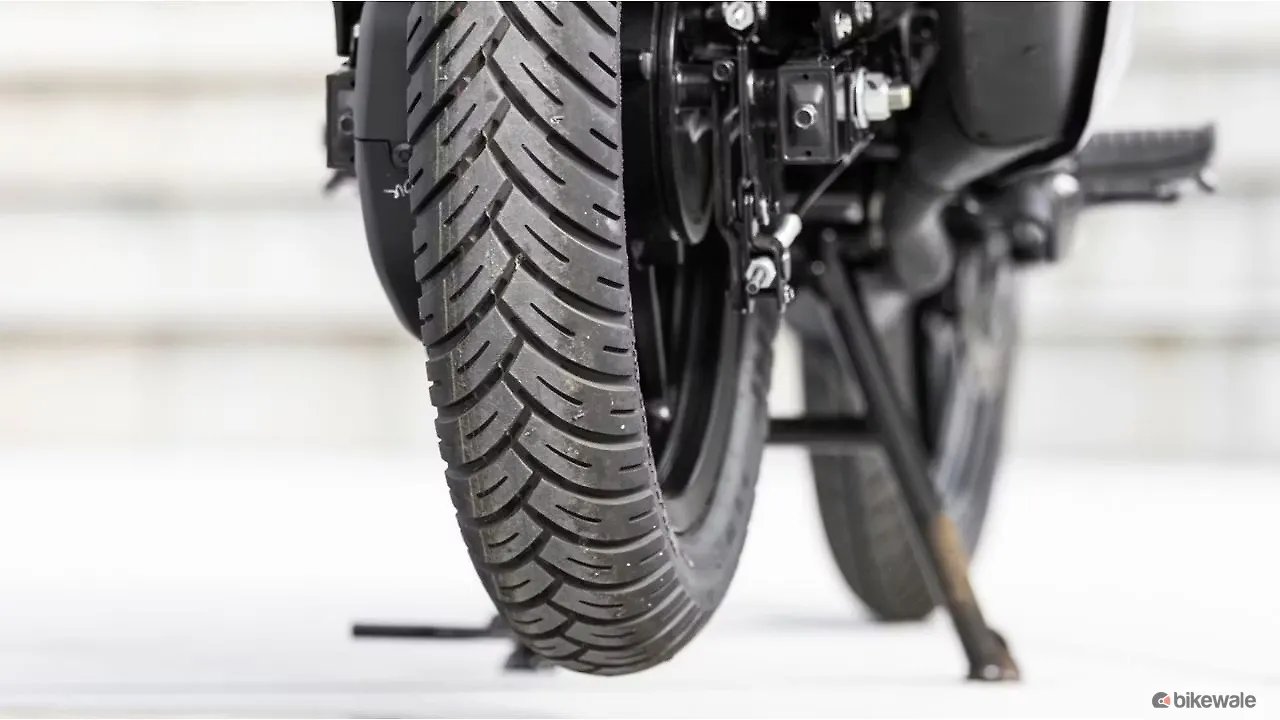
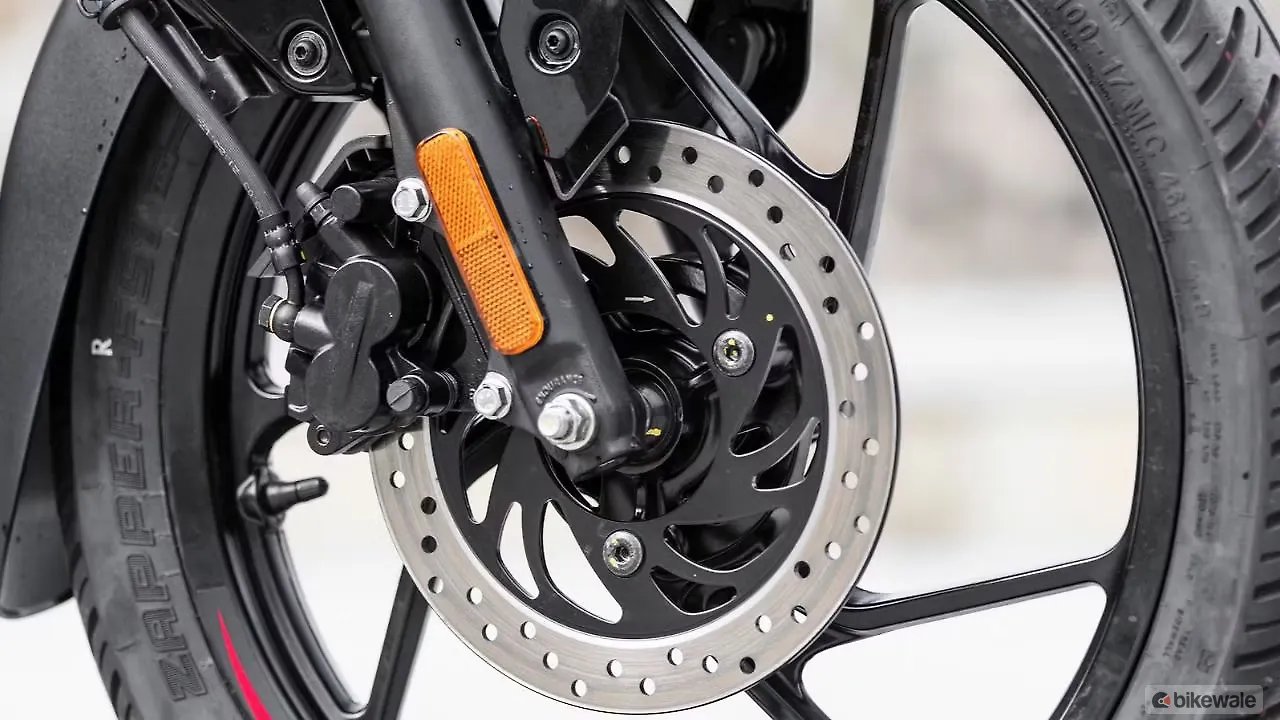
The front brake also offers a responsive initial bite and enough feel for quick urban stops. Where we did notice room for further evaluation was over poor surfaces. The narrow tyres contribute to the sharp steering response, but rough patches and rumble strips occasionally produced a slight wobbly sensation. It was momentary rather than alarming, though it is something we want to investigate properly during the longer road test.