



Honda has published a European patent that rethinks one of the oldest problems in engine design: how thick should a cylinder wall actually be? Patent EP4818506, filed by Honda Motor Co. and published on October 7, 2026, proposes a cylinder block where wall thickness varies by direction instead of staying uniform or following a complex oval profile.
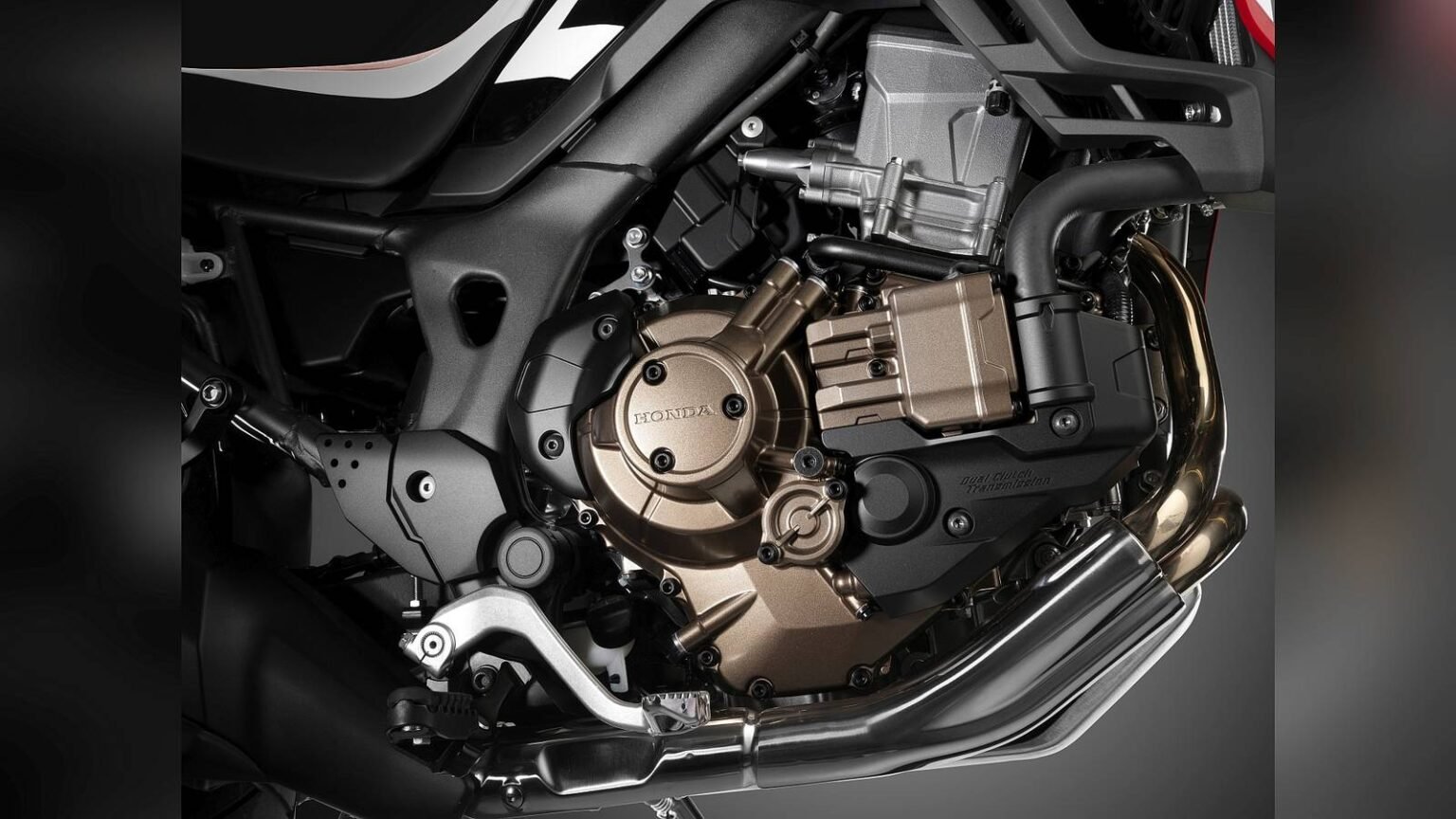
The patent is illustrated with a liquid-cooled, DOHC parallel-twin motorcycle engine, four valves per cylinder, transverse crankshaft, the kind of layout you’d recognize from a middleweight sport bike or naked. Honda’s filing claims three potential benefits: less material (and therefore less weight), simpler design math, and reduced thermal distortion. No production motorcycle is named, and the patent stops short of claiming any of this has been proven on a dyno or test bench.
Why Cylinder Walls Get Thicker Than They Need To Be
Cylinder barrels have to do two jobs that fight each other. They need enough strength to handle the pressure spikes from combustion and the mechanical load of press-fitting a cylinder sleeve into place, but every extra gram of material works against an engine’s power-to-weight ratio. The industry’s existing fix, cited directly in Honda‘s patent as prior art, is to make the cylinder barrel’s outer profile oval rather than round, thickening the walls where the intake and exhaust ports put the most stress on the structure.
The problem, according to the patent, is that oval barrels are a pain to engineer. Getting the wall thickness right across a curved, asymmetric shape takes more design work, and that complexity tends to push barrels toward being thicker than necessary just to stay safe. Honda’s filing frames this as a tradeoff nobody’s fully solved: added engineering effort that often still results in excess weight.
A Simpler Shape With Thickness Where It Counts

Instead of an oval barrel, Honda’s patent describes keeping the barrel’s geometry closer to circular while varying wall thickness directionally. The design calls for thicker walls along the intake-exhaust axis, perpendicular to the crankshaft, where combustion and port stresses concentrate, and thinner walls along the crankshaft axis, where less reinforcement is needed. The transition between the thick and thin sections is smoothed with arcs rather than sharp steps, which the patent says helps avoid stress concentration and limits uneven expansion as the engine heats up.
The filing also specifies that the water jacket surrounding the barrel keeps a roughly uniform width even as the barrel wall thickness changes, so coolant can still circulate evenly around the cylinder. One version of the design ties the thickness transition points to the location of the cylinder head’s stud bolts, which the patent says makes the whole layout easier to dimension and manufacture.
What This Patent Does And Doesn’t Prove

It’s worth being precise about what EP4818506 actually claims. The filing lays out engineering objectives, lighter weight, easier design calculations, and less thermal distortion, but it includes no dyno figures, no fuel-economy data, no durability testing, and no cost comparison against current manufacturing methods. There’s also no named motorcycle or confirmed production timeline attached to the patent. Honda notes the concept could extend to four-wheeled vehicles too, but the only illustrated application here is a parallel-twin bike engine.
That doesn’t make the patent meaningless. It’s a reminder that even as the industry pours resources into EVs and hybrids, there’s still real engineering attention going into wringing weight and complexity out of internal combustion parts that have barely changed in decades. Whether this specific cylinder-block geometry ever reaches a showroom bike is impossible to say from the filing alone, but it’s a window into how Honda’s engineers are still sweating details most riders never think about.
Not The First Honda Engine Experiment
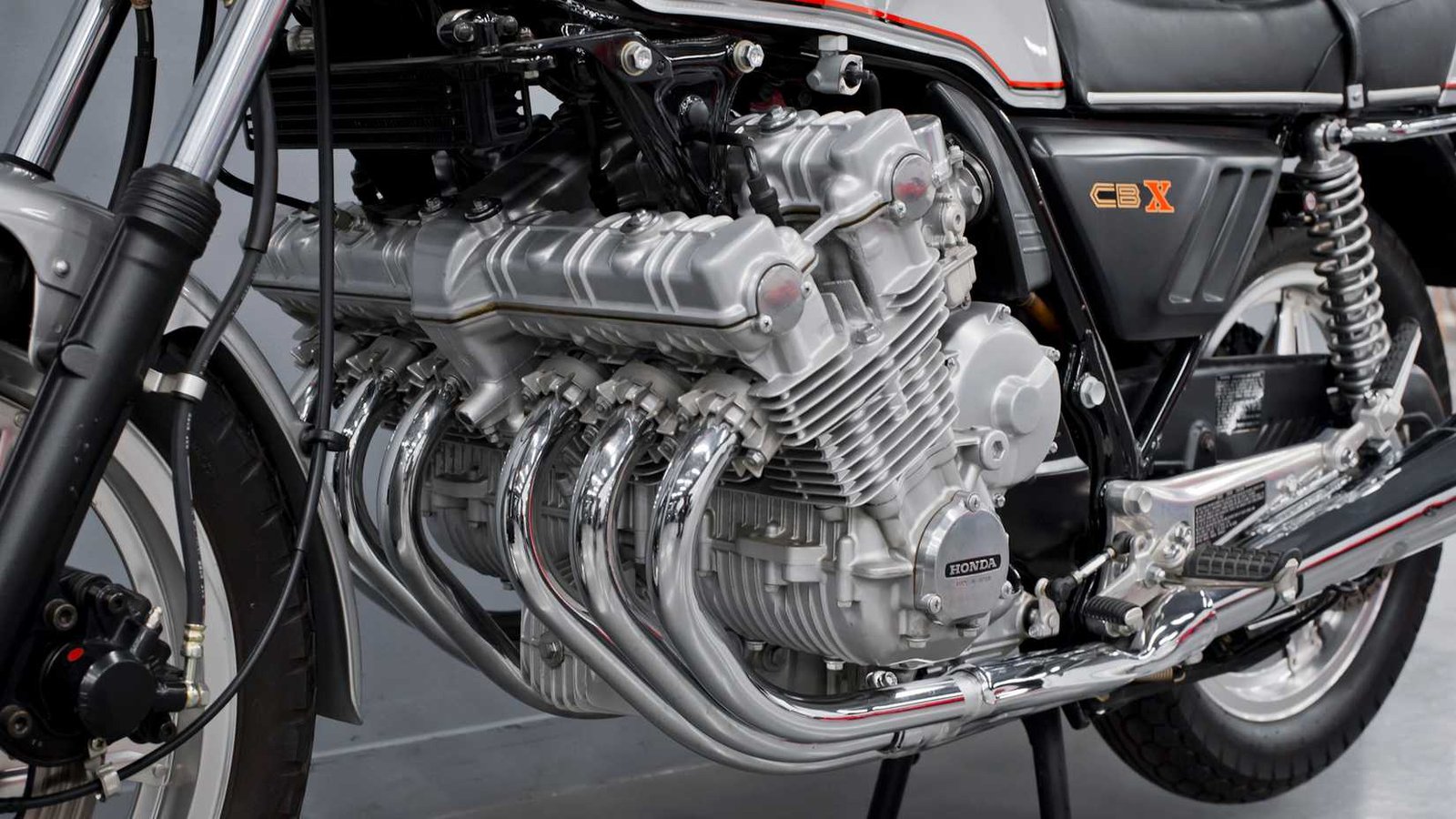
Manufacturers are constantly trying to innovate and solve engineering problems, which is why we’ve come so far from the bulky, old single-cylinder engines of pioneering motorcycles. Honda is no stranger to these experiments, either. Over its 77-year history, the Japanese motorcycle manufacturer has dabbled in them multiple times.
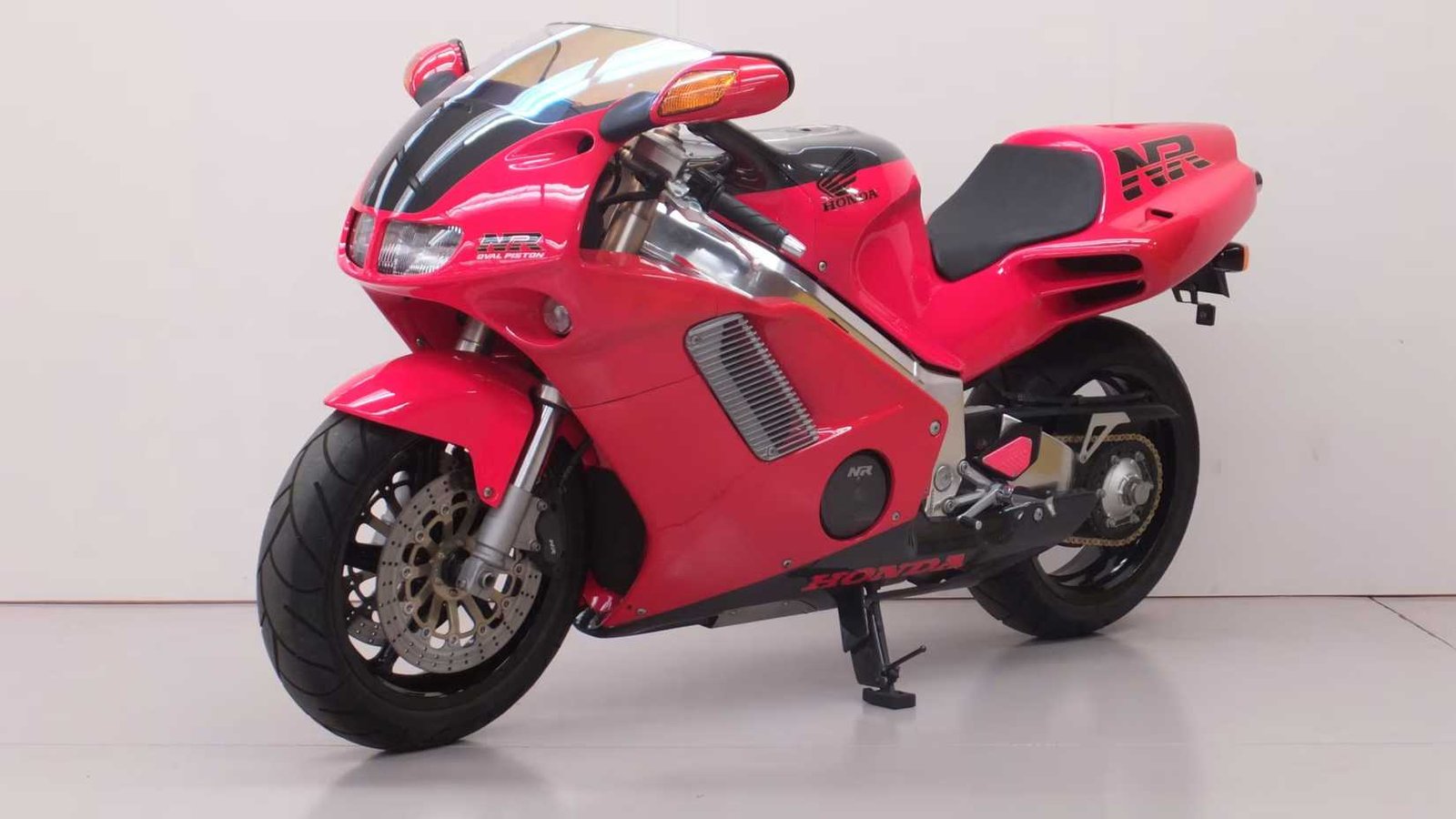
Its most notable experiment was seen in the NR750, which featured oval pistons. This layout was initially developed for the NR500 GP factory bike before making its way into the road-legal NR750. It was a quasi-V8 with combined cylinders, each containing eight valves, two spark plugs, two connecting rods, and a single piston. The result: 125 horsepower, a reportedly terrifying power delivery, and a hellish exhaust note. Unfortunately, the layout was too complex to produce at a large scale.
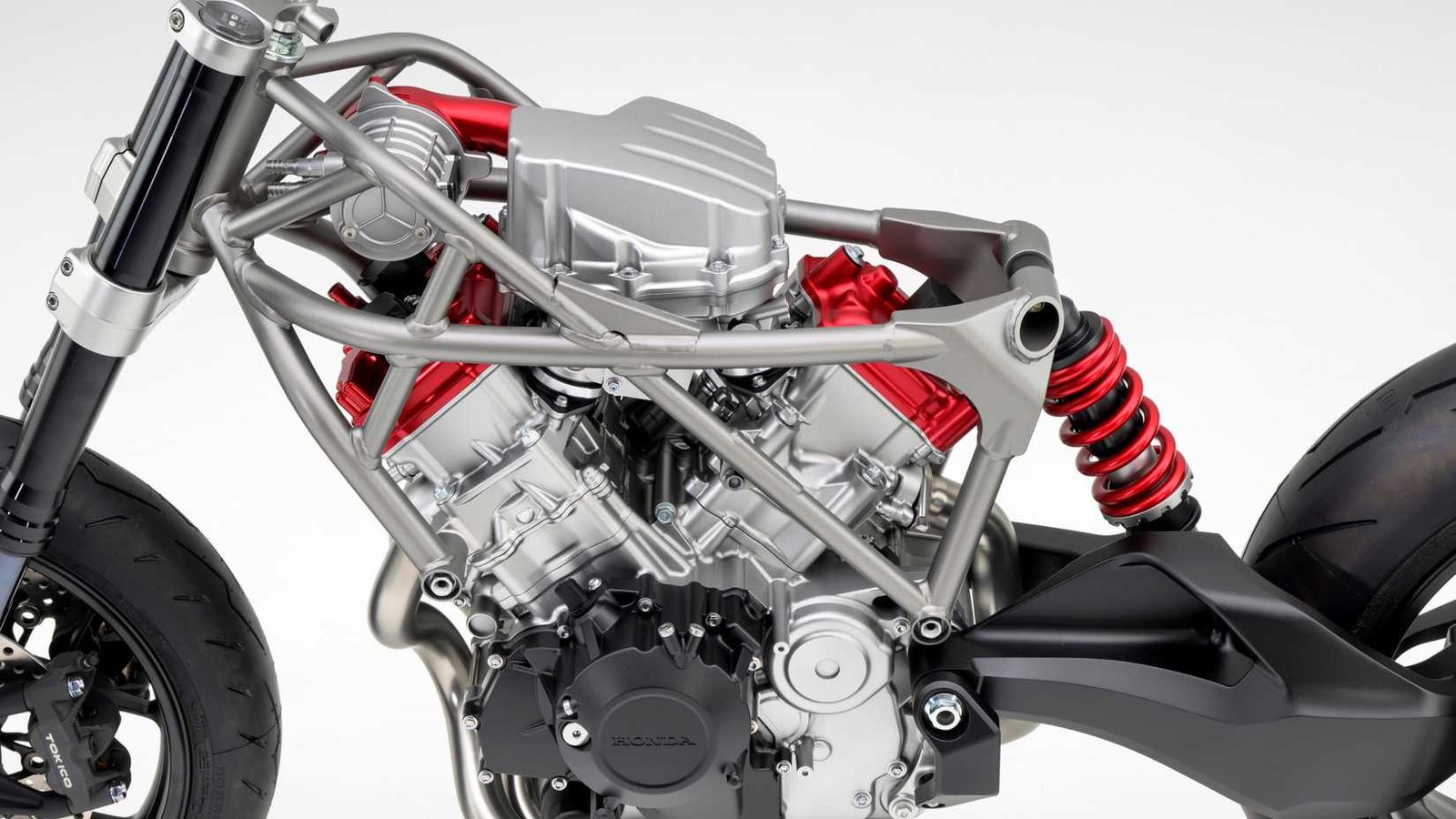
The company’s most recent experiment, however, was completely different: a new V3 engine with forced induction. Here, two parallel cylinders sit at the front and a single-cylinder out back, arranged at a 75-degree angle, fed by a supercharger without an intercooler. Honda says the layout improves the torque curve while keeping the engine size compact. The engine layout hasn’t yet entered production, but it has the potential to give rise to an exciting motorcycle lineup. The same would be true of the latest experiment in question here.