




The 2026–2032 investment programme comes as Hyundai prepares 26 models and updates by 2030, while Kia expands its hybrid and electric lineup
Hyundai Motor Group has announced a USD 15.5 billion (approx Rs 1,47,089.65 Crores) investment commitment for India between 2026 and 2032. The programme covers manufacturing expansion, research and development, local suppliers and future mobility businesses across the Group’s Indian operations.
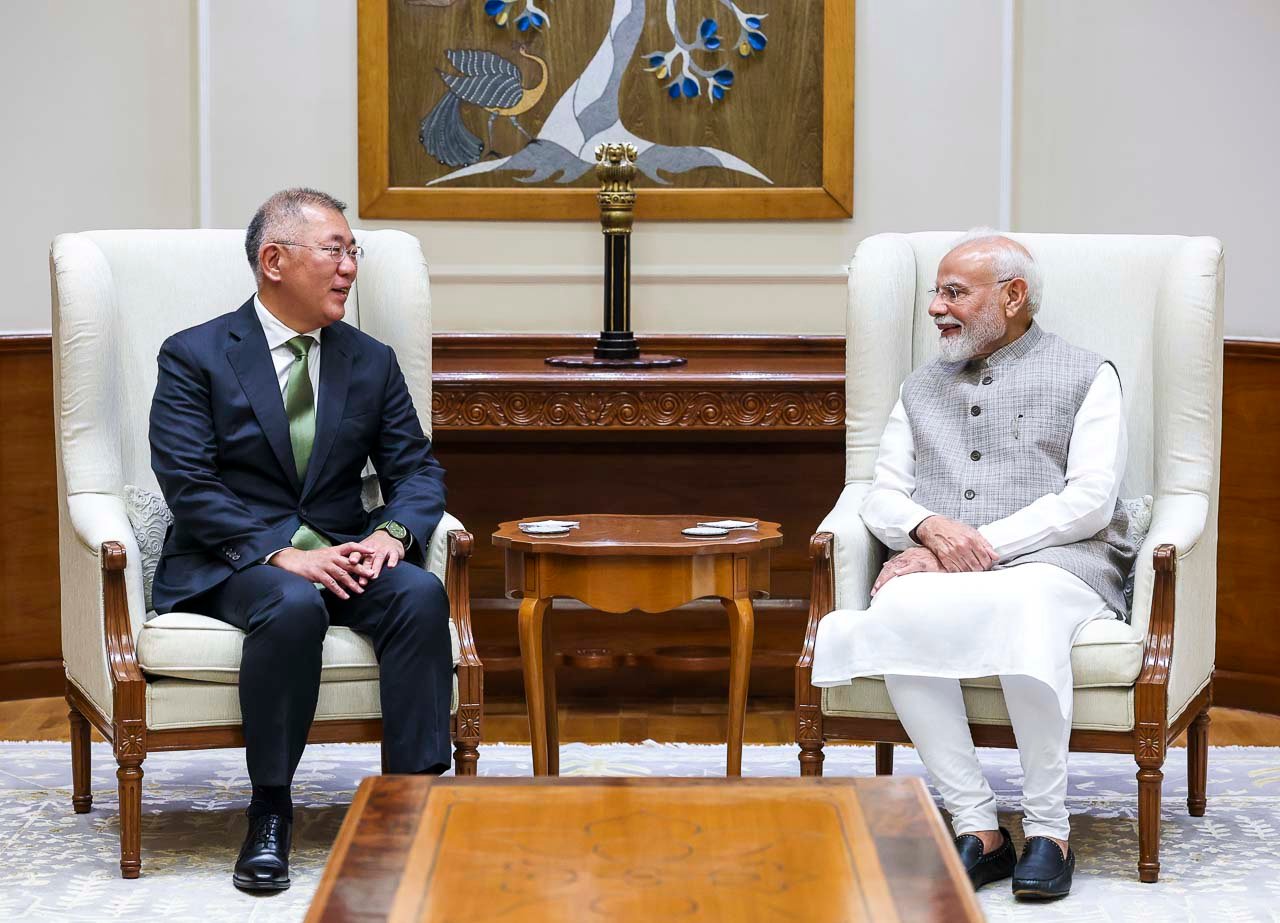
The announcement follows a meeting between Hyundai Motor Group Executive Chair Euisun Chung and Prime Minister Narendra Modi in New Delhi on October 13. It comes as both Hyundai and Kia prepare significant product expansions, with new SUVs, hybrids and locally manufactured electric vehicles planned for India.
Hyundai Plans 26 Models And Updates
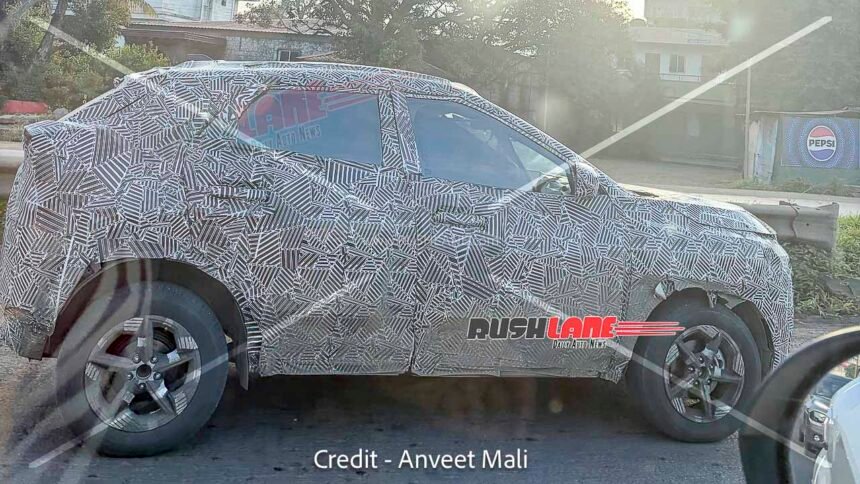
As outlined at its 2026 CEO Investor Day, Hyundai plans to introduce 26 new models and updates in India by 2030. The roadmap includes an India-focused A-segment electric SUV, scheduled for debut in a few months, with a next-generation infotainment system (Pleos Connect) and Level 2 ADAS.
Hyundai’s SUV expansion also includes Bayon, which has now been unveiled ahead of its October 26 launch. Further up the portfolio, luxury brand Genesis is planned to enter India in 2027.
Localisation is another priority. Hyundai previously outlined a target of 90% local content across its India-made vehicles by 2030, while exports are expected to account for around 30% of Indian production. The latest Group investment programme complements these plans through supplier development and additional manufacturing infrastructure.
Kia Preparing Hybrids And More EVs
Kia’s previously announced India roadmap targets annual sales of around 4.10 lakh units and a 7.6% market share by 2030. The company plans to have eight electrified models, comprising EVs and hybrids, by the end of the decade.
Seltos Hybrid is expected in 2027, followed by hybrid versions of Sonet and Carens by 2029. Kia has also outlined plans for another locally produced small electric SUV by 2029, although its production name and specifications remain undisclosed.
Alongside the product expansion, Kia plans to grow its Indian dealer network to 800 outlets by 2030. These earlier announcements provide context for the Group’s latest investment commitment, which will support higher volumes and a wider range of technologies.
Manufacturing Capacity To Expand
Hyundai Motor Group’s combined annual production capacity in India stands at 14.25 lakh vehicles. Hyundai’s Chennai facility accounts for 8.24 lakh units, Pune for 1.70 lakh units and Kia’s Anantapur plant for 4.31 lakh units.
Pune capacity will increase in phases. The Group has not specified a final combined capacity target under the seven-year programme, but says expansion will support Indian demand and strengthen the country’s role as an export base.
USD 700 Million For R&D
Approximately USD 700 million (approx Rs 6,641 crores) is planned for the Group’s Indian R&D centre, including a vehicle testing track. Investment in infrastructure and local engineering talent will support development of next-generation automotive technologies.
A dedicated investment entity will also be established in India to coordinate funding and identify local partners. Other areas include supplier localisation, support for startups and mobility services, and exploring opportunities in automotive financing, EV charging and vehicle recycling. Hyundai Motor Group currently employs more than 24,000 people in India and expects the programme to create further jobs across manufacturing, engineering and related businesses.