



-
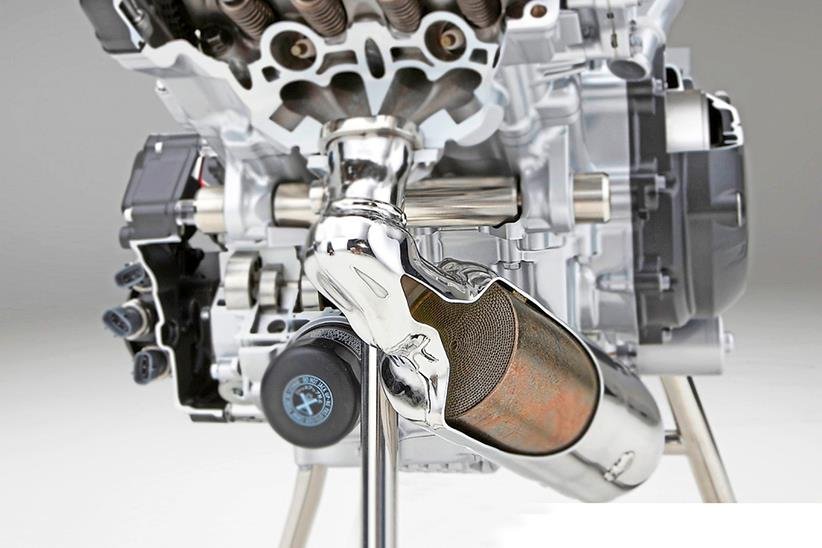
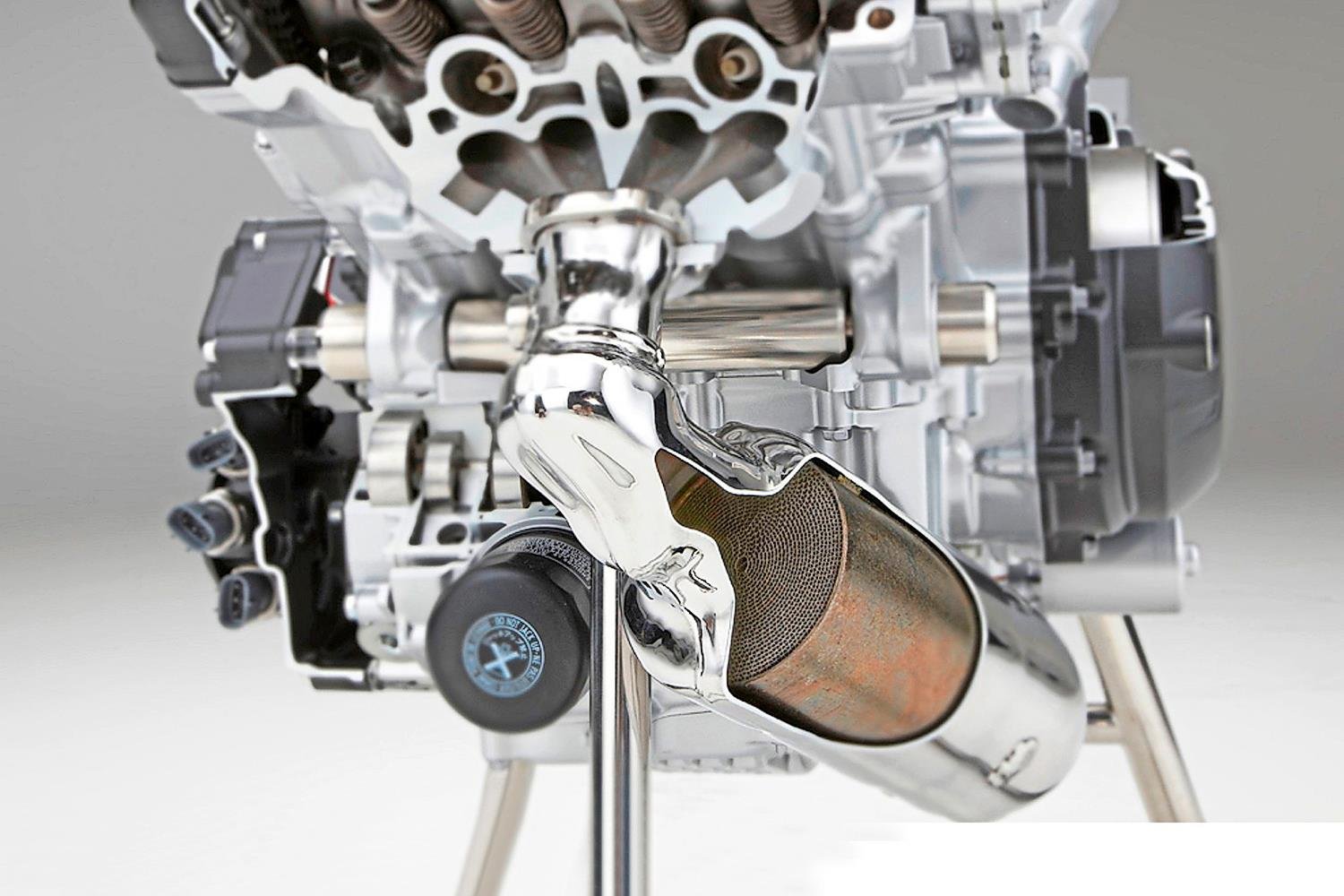
Cross section of exhaust catalyst
of
Riders who have fitted an aftermarket exhaust, remapped their bike’s ECU, or removed emissions hardware could be committing a criminal offence for the first time, if a Department for Transport (DfT) proposal makes it into law.
The proposal would apply retroactively to every motorcycle, moped and scooter registered since January 1, 2001 – reaching back across a quarter of a century of the used bike market, not just newly built machines.
Although most of the modifications being targeted are already technically illegal (or permitted only for track use), the proposed legislation would make them prosecutable for the first time. Type approved end cans would not be affected.
What would actually become illegal?
The consultation is called Regulating environmental impact of in-use emissions of road vehicles and closes on September 6, 2026. In a nutshell, it says that a vehicle’s emissions control system (ECS) must keep working to the exact standard it was built to for its entire life, not just when new.
If a bike’s emissions system no longer meets its original build standard for any reason, using it on the road, allowing it to be used, or carrying out the modification yourself would all become prosecutable offences, carrying fines from £1000 up to unlimited on conviction in a magistrates’ court.
The consultation describes tuning, remapping and aftermarket parts fitting as a “legitimate practice… embraced by car tuners, repairers and enthusiasts worldwide.” But there is a specific list of modifications that would always be treated as illegal:
- Removal or “deletion” of particulate filters (DPF for diesel, GPF for petrol)
- Removal of catalytic converters, often alongside sensor removal or ECU remapping
- Manipulation of selective catalyst reduction systems and diesel exhaust fluid (“AdBlue delete”)
- Manipulation of exhaust gas recirculation systems, physically or via ECU remap
Beyond that named list, the consultation states any modification is included if it pushes a vehicle’s emissions above its type-approval limit and that “this effect upon emissions does not have to be intended.”
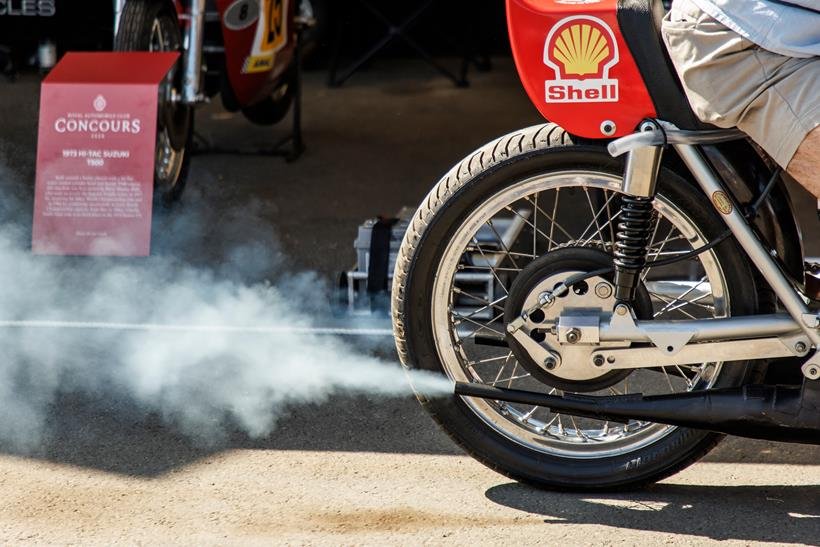
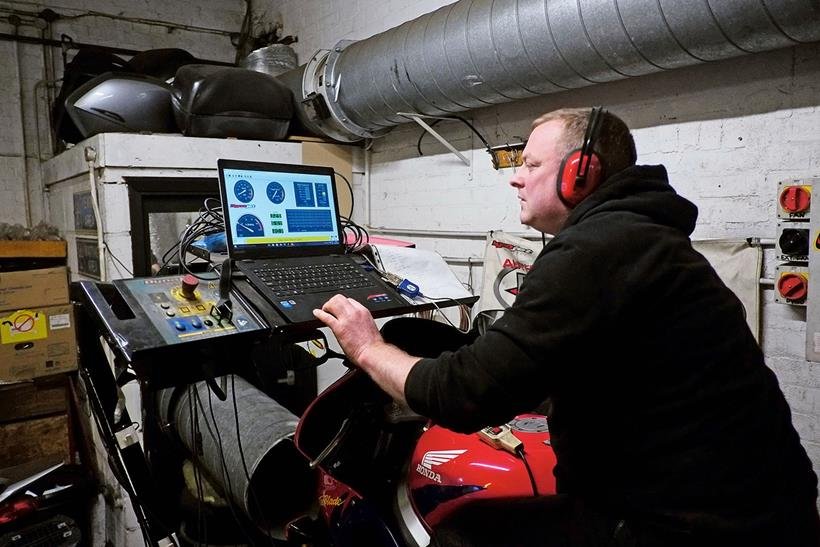
For riders, that means popular modifications such as decat pipes and performance ECU remaps could become illegal to use on the road if they raise a bike’s tailpipe emissions above its original limit, even where the goal was performance or sound rather than deliberately increasing pollution.
It does, however, propose carrying forward an exemption for cases where a fault is genuinely outside the owner’s control – provided it isn’t linked to any modification, normal servicing wouldn’t have fixed it, and the rest of the emissions system is intact and working.
Regulation 61A surrounding emissions currently doesn’t apply to Category L vehicles – motorcycles, mopeds, scooters, tricycles and quadricycles – at all. This consultation proposes bringing them into scope for the first time, alongside cars, vans, buses and lorries.
Little evidence
Despite the scale of what’s being proposed, the DfT’s own consultation document admits it holds “limited analytical evidence specific to in-use emissions from motorcycles.”
The Motorcycle Action Group (MAG) tested that claim directly, submitting a request under the Environmental Information Regulations 2004 on July 27 for the evidence behind the proposal.
“The Department told us, in writing, that it holds no evidence for this,” said Colin Brown, MAG’s Director of Campaigns and Political Engagement. “Not on why motorcycles should be brought in. Not on whether it’s poor maintenance or deliberate modification causing the problem it says it’s regulating. Not on how many riders, or how much of the trade, this would hit.”
The Motor Cycle Industry Association’s own research last year found that powered two-wheelers accounted for just 0.4% of domestic transport emissions.
The groundwork was already being laid
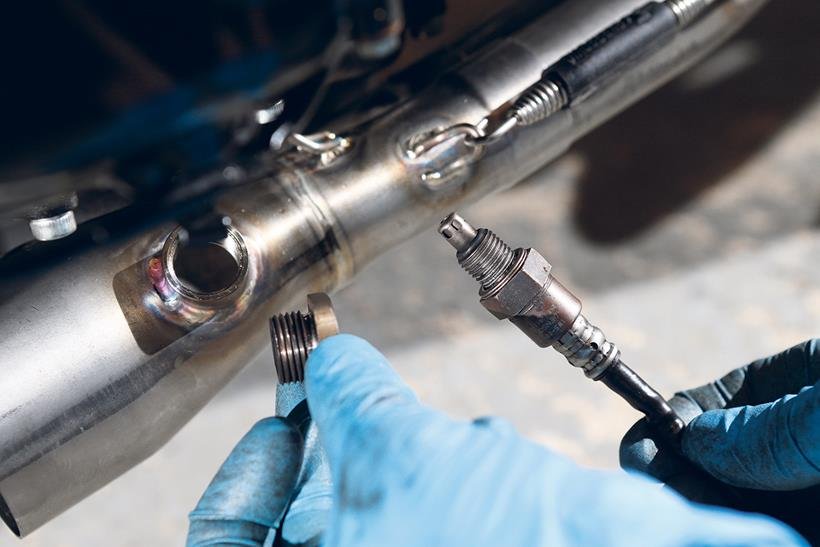
This isn’t entirely out of nowhere. MCN reported back in April 2024 that Euro5+, the newest tier of motorcycle emissions regulation, already requires new bikes to prove their catalytic converter keeps working properly across the vehicle’s whole lifespan, not just when new.
Manufacturers must now fit an additional oxygen sensor after the catalyst, allowing the ECU to continuously monitor its efficiency and trigger a dashboard warning light if it starts to fail.
In other words, the technical infrastructure for monitoring an emissions system’s health throughout a motorcycle’s life was already being built into new bikes two years before this consultation, even if the legal requirement to act on that information wasn’t.
What happens next?
Enforcement would fall to the DVSA, which the DfT suggests would likely focus “upstream” on businesses carrying out illegal modifications, since routine MoT checks have limited ability to detect emissions system tampering.
If the law passes as proposed, the DfT expects it to take effect in summer 2027, with a six-month lead-in period before enforcement begins. The consultation remains open to responses from individual riders and organisations until 11:59pm on September 6, 2026, via the online response form.
The MCN take
It’s worth remembering that the proposed changes are far from a done deal at this stage, but it’s concerning that bikes were lumped in with other vehicles with no real consideration.
The more cynical among us might see this as a second prong of attack on so called ‘noisy exhausts’ where enforcement by dB measurement has proved difficult.