




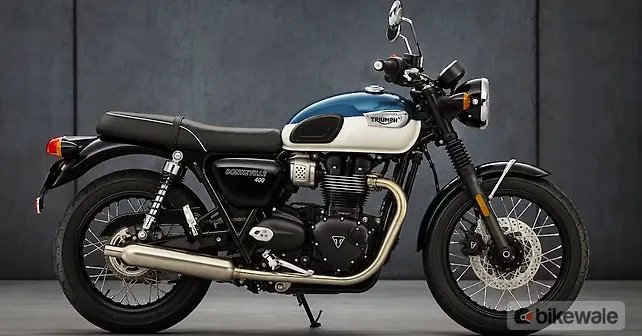
- Bonneville dates back to 1959 Triumph T120
- India to get tax-friendly 349cc version
- Expect it to be softer and more relaxed than Speed 400
As our excitement builds around the soon-to-release Triumph Bonneville 400, it is likely to be one of the most important motorcycles to emerge from the Triumph-Bajaj partnership. Not because it will be the fastest or most powerful model in the family, but because of that historic badge it is to carry. In motorcycling, some names are born out of engineering. Some come from racing. A few manage to cross over into culture. Bonneville firmly defines that culture.
Where It All Began
Bonneville’s story dates back to when the 1959 Triumph T120 Bonneville came out. Named after the Bonneville Salt Flats in Utah, Triumph had already built a strong link with land speed records there. Even the name T120 itself suggested the idea of 120mph (193kmph), already a serious claim for its time. But the Bonneville did not become famous because it was mega fast on these salt flats, its strength was in the way it combined that speed, style and everyday desirability in one clean British motorcycle.
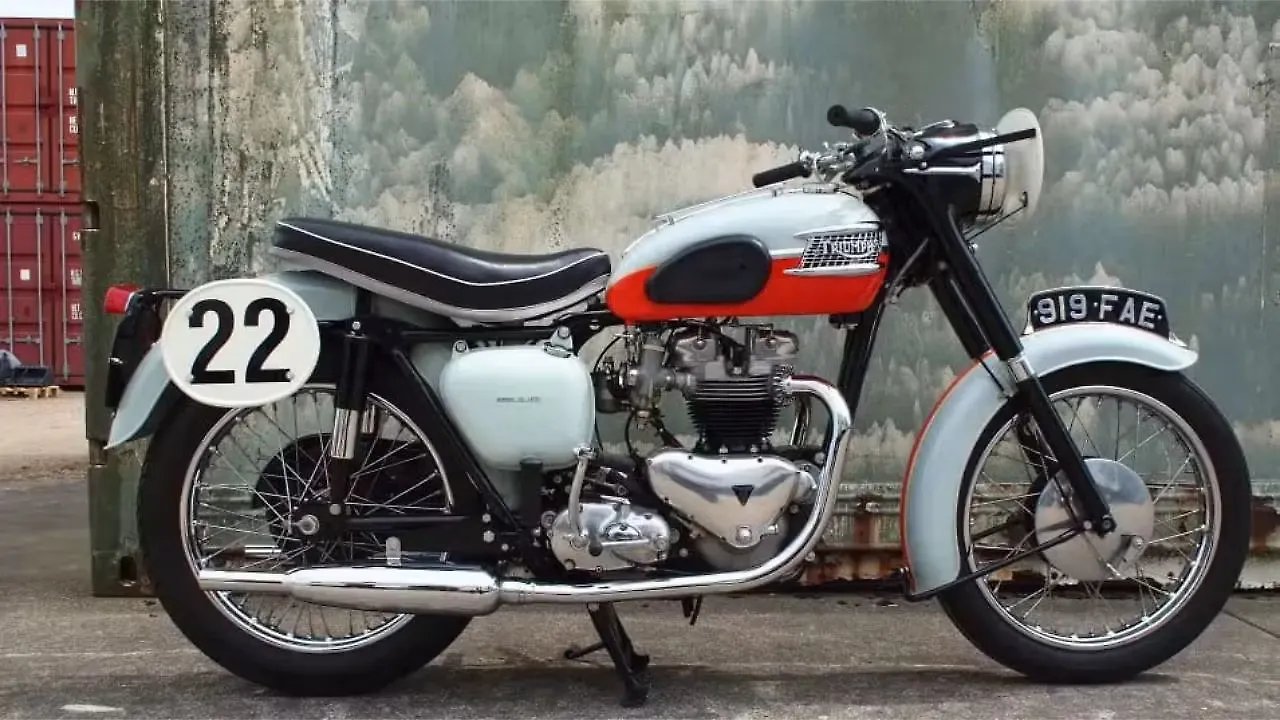
It carried the right shape at the right time. The parallel-twin engine, sculpted fuel tank, wire-spoke wheels and simple stance made it difficult to forget. It had also arrived at a time when motorcycling was transforming from being just transport to a stronger expression of freedom and identity. Young riders were discovering new music, new fashion and a new way of presenting themselves. Bonneville fitted that world naturally. It looked good outside a cafe, on a country road and in a photograph.
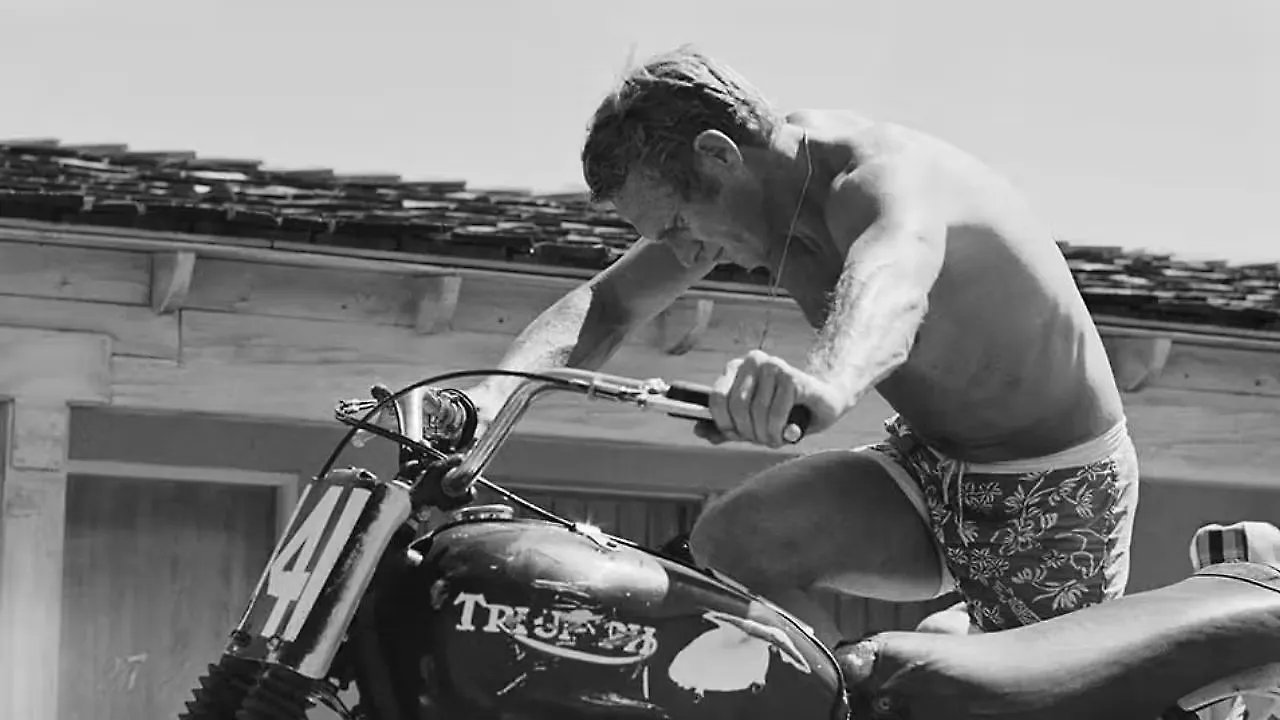
Triumphs became part of Hollywood, rock and roll, photography and later, custom culture. Steve McQueen on a Triumph in The Great Escape helped build the brand’s link with adventure, ummm even though the motorcycle in that famous sequence was not a Bonneville but a TR6 Trophy. The King of Rock Elvis Presley rode a Triumph T120 Bonneville in the 1960s adding another layer of cultural weight. Over time that charm kept replenishing through riders, actors, designers and builders who saw the Bonneville as an artistic canvas.
Look at the entire idea of the upcoming Bonneville 400. Triumph already has a fine set of modern classics in India as the Speed 400, Speed T4, Scrambler 400 X, Scrambler 400 XC and Thruxton 400. These models have helped make the British brand more accessible. Speed and Scrambler are strong families, and Thruxton carries its own cafe-racer appeal, but Bonneville is the centre of Triumph’s modern classic world. It is the model line that most clearly says old-school British motorcycling even with modern hardware underneath.
The Culture Around the Bonneville
The Bonneville’s biggest achievement is that it has never been paired with one type of rider. Some motorcycles are tied to performance. Some are tied to touring. Some are tied to off-road riding. The Bonneville was able to occupy many spaces at once. You could use it as a regular road bike, or a custom platform, a cafe racer base, a relaxed weekend machine or even a style icon. That flexibility is why it has survived changing tastes of the populous.
Its design always left room custom tinkering for personal expression. A Bonneville can be kept clean and original, or it can be turned into a cafe racer, tracker, bobber or desert sled. It never forced one personality on its owner, but gave a recognisable starting point. That is also why the Bonneville has found itself close to fashion, watches, guitars, gaming, charity rides and popular culture. It carries enough character to stand on its own, with enough simplicity to be interpreted differently.
Triumph’s own collaborations further enhanced this appeal. The connection with Gibson worked because both the Bonneville T120 and Gibson Les Paul trace their roots to 1959. Bonneville has also been linked with the Distinguished Gentleman’s Ride where classic motorcycles become part of a larger riding community.
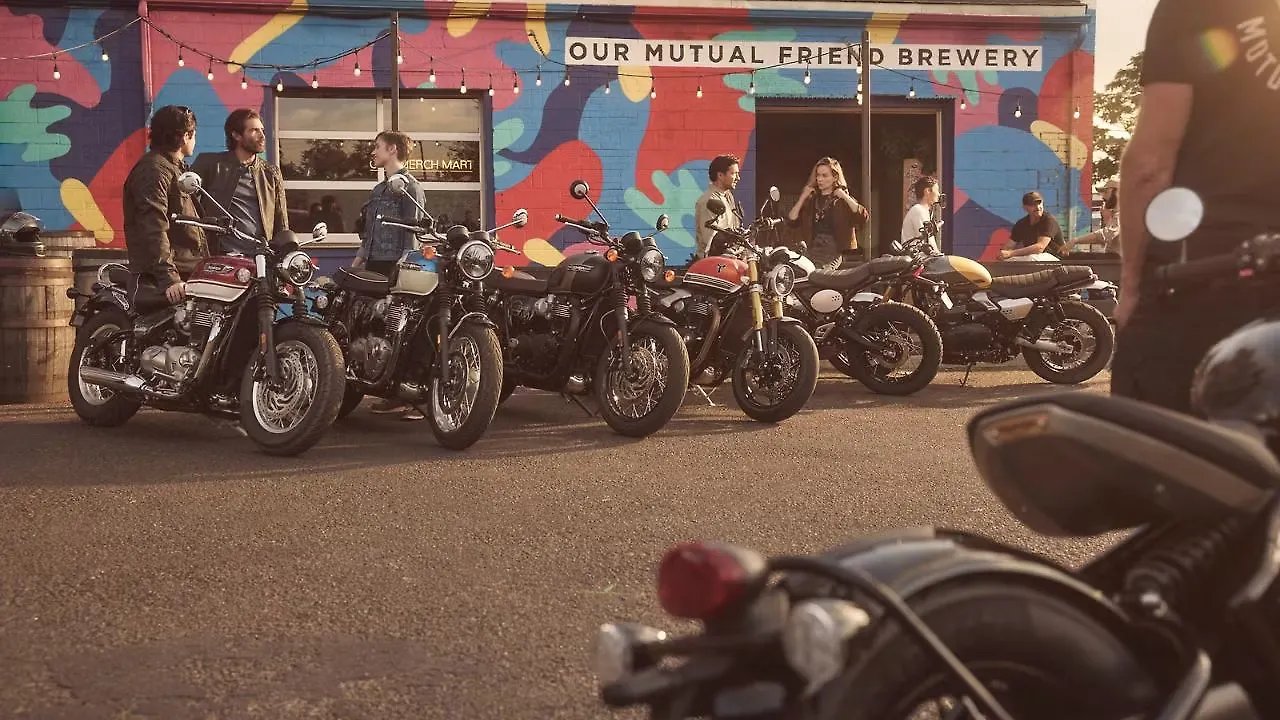
India is now ready for this kind of motorcycle. The market has moved far beyond buying only for efficiency, price or engine capacity. There is now a large section of riders that wants a motorcycle to say something about taste. Sunday rides, riding groups, cafe culture, touring communities, custom work and social media have all changed how people see motorcycles.
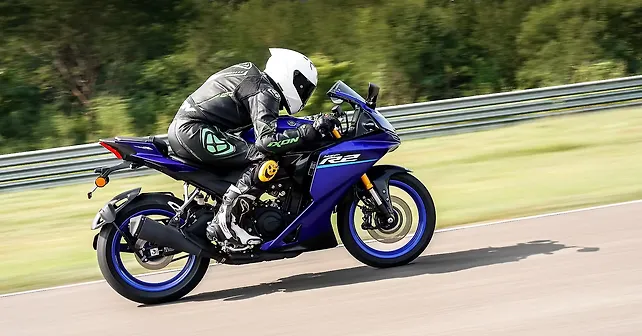
Speed 400 is already the lively roadster of the range. Speed T4 is the softer, easier and more relaxed take on the same broad idea. Thruxton 400 brings cafe-racer posture and visual drama. The Scrambler 400 X and XC take the formula towards all-road use. The Bonneville 400, then, should not try to copy any of them. It should be the most classic, most settled and most emotionally mature motorcycle in the small Triumph family.
What the Bonneville 400 Could Bring
The upcoming Bonneville 400 is expected to use the same broad Triumph-Bajaj single-cylinder platform, but its character should be distinct. In global markets, Bajaj is expected to build 399cc versions, while India is likely to receive a 349cc version because of the tax benefits linked to the local GST structure. That is the slightly frustrating part for Indian enthusiasts, but now worries, we shall soldier on. A 399cc Bonneville with the right gearing, smooth mid-range and relaxed ergonomics could be a lovely back road barnstormer. It would have enough performance to enjoy a flowing road while still being light and easy enough for newer riders.
India’s 349cc version, however, will make strong sense if Triumph gets the tuning right. A Bonneville does not need to be sharp, frantic or aggressive. In fact, it should not be. It should feel softer than the Speed 400 and calmer than the Thruxton 400. Bonnie should also have a more neutral riding position, a relaxed handlebar, a comfortable seat and suspension tuned for all kinds of roads. The engine should focus on clean low-speed response and a steady highway character. If it feels pleasant at 80-100kmph, easy in traffic and composed over broken roads, it will already be close to what a small Bonneville should be.
The design will hold even more importance than the spec sheet. The Bonnie will need the right stance. A round headlamp, clean fuel tank, long and flat seat, simple side panels, neat exhaust routing, metal-finish details and well-chosen colours. Bonneville buyer is sensitive to proportion. The bike must look timeless without looking old. It must feel premium without becoming flashy. It should look like a proper Triumph even before the rider reads the badge.
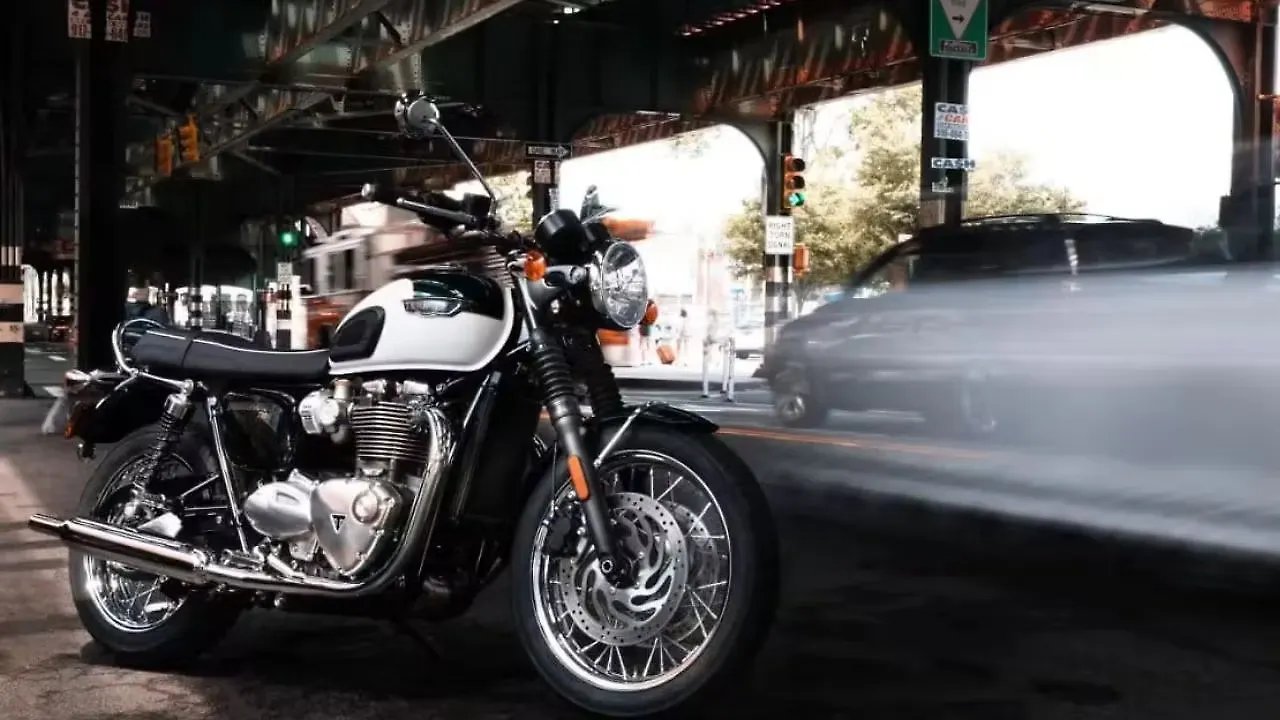
This is where Triumph has a major advantage as the company understands modern classic design better than most manufacturers. Its larger Bonneville range has shown how retro styling can work with modern engineering. The trick with the 400 will be scale. A smaller motorcycle can easily look undernourished if the tank, wheels, seat and tail are not balanced properly. But if Triumph manages the proportions well, the Bonneville 400 could become the cleanest-looking model in the entry Triumph line-up.
There is also a very strong business case. Royal Enfield has shown that Indian buyers understand and value classic motorcycles. Honda has tried to enter the space with its CB models. Jawa and Yezdi have leaned heavily on nostalgia. Triumph has the benefit of a truly global classic name, and with Bajaj handling local manufacturing, pricing can remain within reach of a much wider audience. The current Triumph 350cc Modern Classics range already sits in a band where premium but accessible motorcycling is growing. A Bonneville placed smartly in that family could become the emotional anchor of the range.
The India-specific 349cc displacement may upset riders who wanted the full 399cc version, and that criticism is fair. It is a shame when taxation shapes engineering choices so strongly. But the Bonneville has never been only about chasing the highest number. If Triumph and Bajaj can give the Indian version a sweet engine character, good finish, proper seating comfort and a clean classic design, the smaller capacity may not hurt its real-world appeal as much as expected.
In fact, the Bonneville 400 could benefit from not trying too hard. The best Bonnevilles have always carried an easy charm. They do not shout for attention, but win people over slowly. For a new rider, it could be an approachable first premium classic. For an experienced rider, it could be a lighter daily classic that does not demand effort. For a Triumph loyalist, it could be the most affordable way into the Bonneville story.
Bajaj has to make the Bonneville idea feel accessible to a new generation.