




Honda Motorcycle & Scooter India (HMSI) is preparing for a significant leadership and succession planning transition over the next four years, with 1/3rd of its Operating Head and Director positions expected to change.
The leadership transition is being planned against a workforce where institutional experience remains high, senior leadership told ETHRWorld.
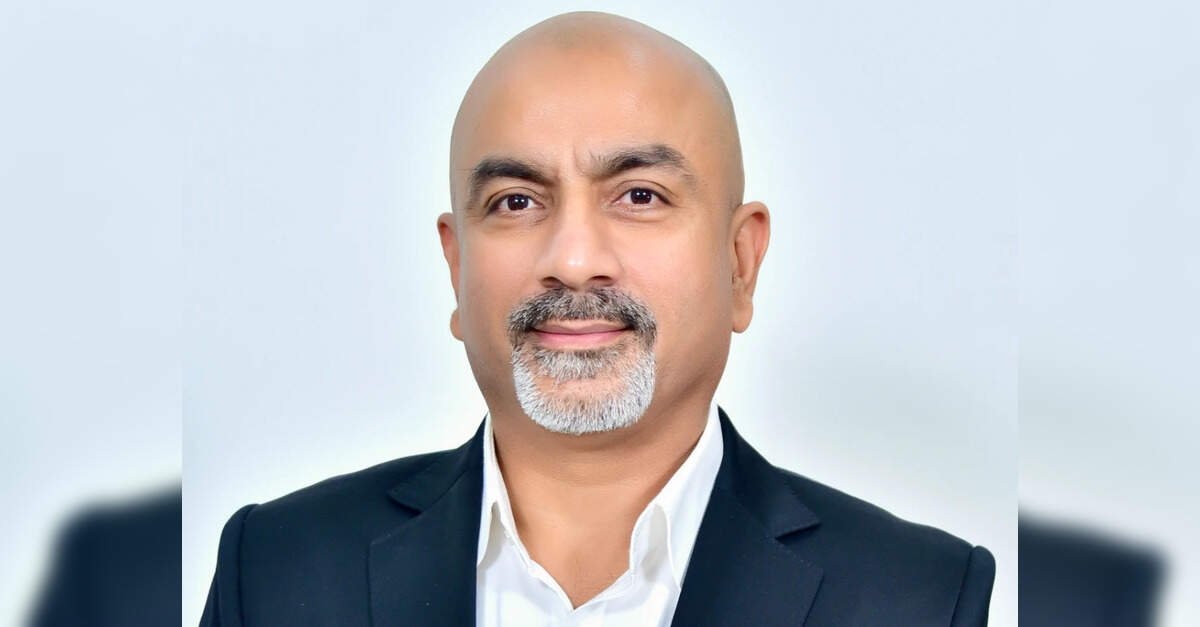
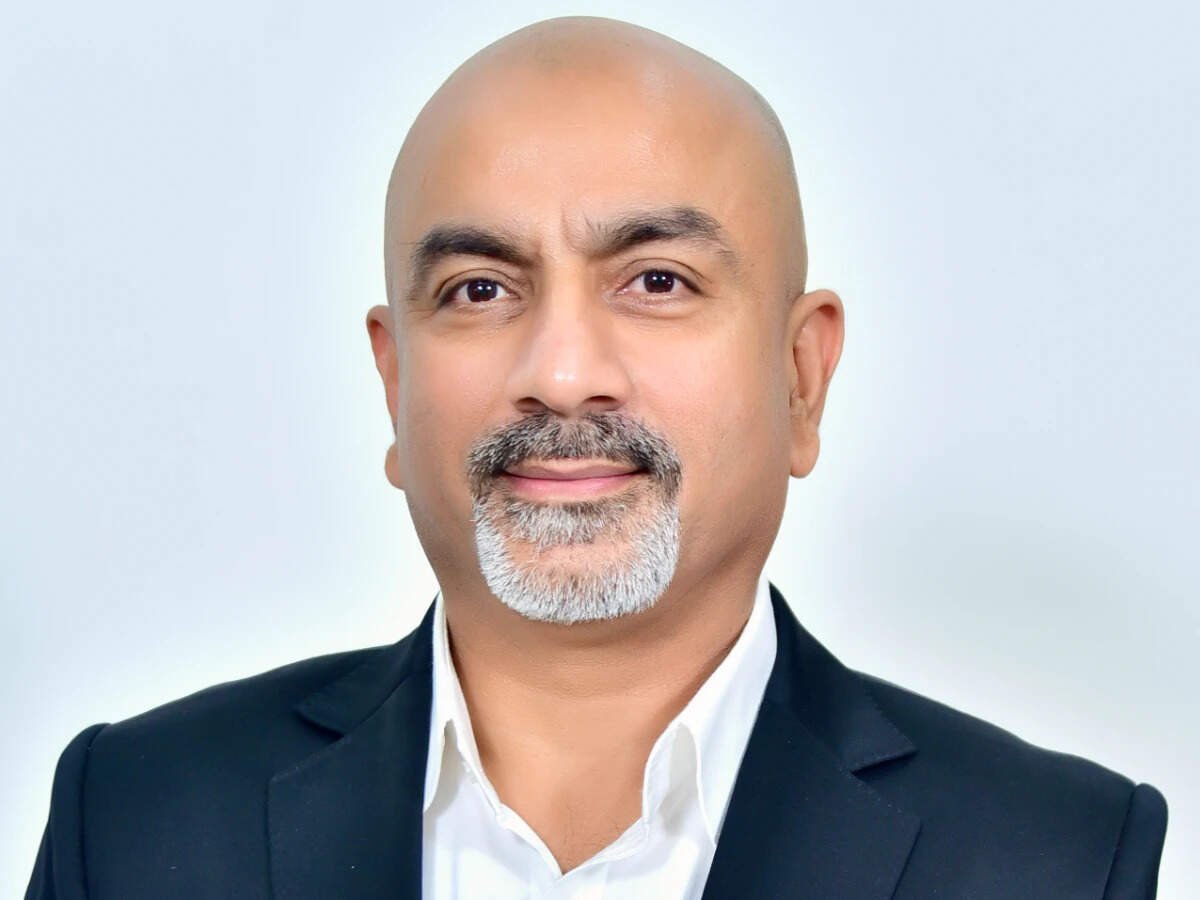
Around 60 percent of Honda’s white-collar employees have more than 10 years of service, while about 75 percent of its overall workforce has more than five years of experience, according to Vinay Dhingra, Senior Director – HR & Administration, Corporate Affairs, IT, Honda Motorcycle & Scooter India.
“Over the next four years, close to 1/3rd of our Operating Heads and Directors are expected to transition,” Dhingra said.
The transitions, however, are not expected to happen at once. Some leadership positions are expected to change next year, while others will transition over the following three years. Honda is using this window to build a ready pipeline of internal successors rather than waiting for vacancies to emerge.
For every role, the company has defined the skills and qualities required and identifies at least two to three potential successors. These employees are then assessed based on their readiness and development needs.
“We identify employees who may be ready now or could become ready with development who can take up that role,” Dhingra said.
The identified talent is divided into three categories, with a separate development journey designed depending on where an employee stands in the readiness pipeline.
Succession planning becomes a structured process
At Honda Motorcycle & Scooter India, succession planning is closely integrated with its learning and development (L&D) strategy. Employees are assessed against defined competencies, following which they work with their respective leaders to create development plans.The plans include challenging assignments, people development responsibilities, regular two way feedback and, where required, third party interventions.
The company has also established a Centre of Excellence (CoE) with dedicated trainers whose primary responsibility is developing future leaders.
Honda has simulated retirement patterns for the next 15 to 20 years to assess how many employees are likely to retire and how the organisation can build replacements for critical roles.
The exercise is particularly relevant as the company enters a period of knowledge transition. A significant number of employees who joined during Honda’s early years are approaching retirement, creating a need to transfer technical and operational knowledge before it leaves with experienced employees.
“Knowledge is planned based on succession. All that is being planned,” Dhingra said.
Leadership transition amid generational change
The succession exercise comes as Honda manages three simultaneous transitions: generational, knowledge and technological.
As experienced employees retire and younger employees enter the organisation, the company is attempting to bring Gen Z, millennials and Gen X employees together while transferring institutional knowledge between generations.
Honda has created mixed-generation teams through initiatives such as its Honda Circle of Dreams, where experienced employees work alongside younger employees to solve business problems.
The objective is not simply knowledge transfer from older to younger employees. Dhingra said younger employees also bring digital and AI-related capabilities that experienced employees can learn from.
“Everyone has become a learner in our company,” he said.
The company is also linking succession planning to the technological changes taking place across manufacturing. Automation, robotics, Industry 4.0, digitisation and AI are changing the way work is performed, while EVs, hybrids and other emerging technologies are changing the skills required in the automotive ecosystem.
Four years ago, Honda moved away from multiple promotions within the same role and adopted a ‘one role, one title’ structure.
The move was aimed at creating a clearer management pyramid and ensuring that promotions were linked to actual changes in responsibility rather than simply changes in designation. The model has, however, created a new retention challenge for specialist employees who may reach the ceiling of their existing role without a corresponding promotional opportunity.
Honda is now working on ways to retain such talent without creating additional hierarchy merely to enable promotions.