


Okay, so the headline writes itself at this point: Toyota won. Again. I don’t think there’s a universe where that sentence isn’t true for at least the next five years. What’s actually interesting this time around is happening in fourth place, of all spots — but let’s not get ahead of ourselves.
Here’s a brand-by-brand rundown of the Top 10 Best-Selling Car Brands in the World, along with my take on each.
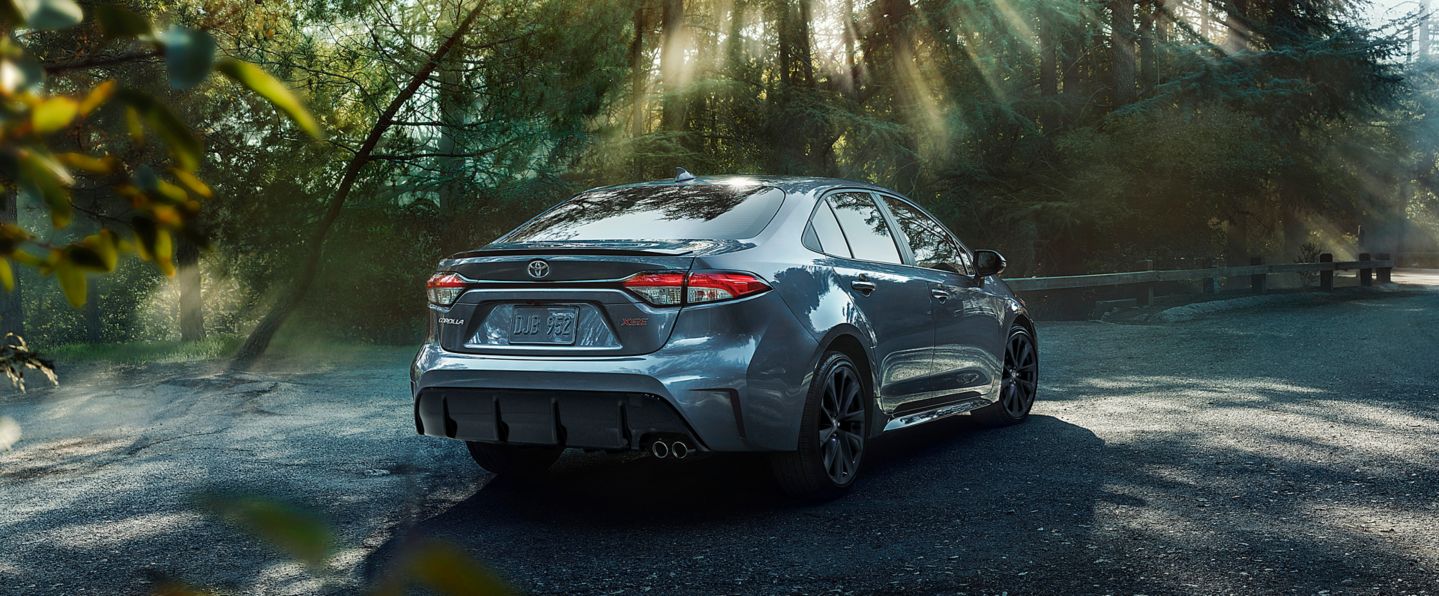
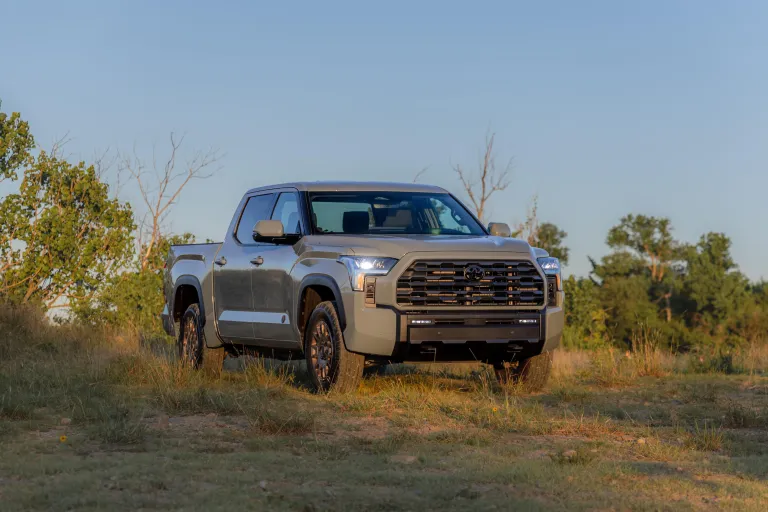
1. Toyota — 9.65 million.
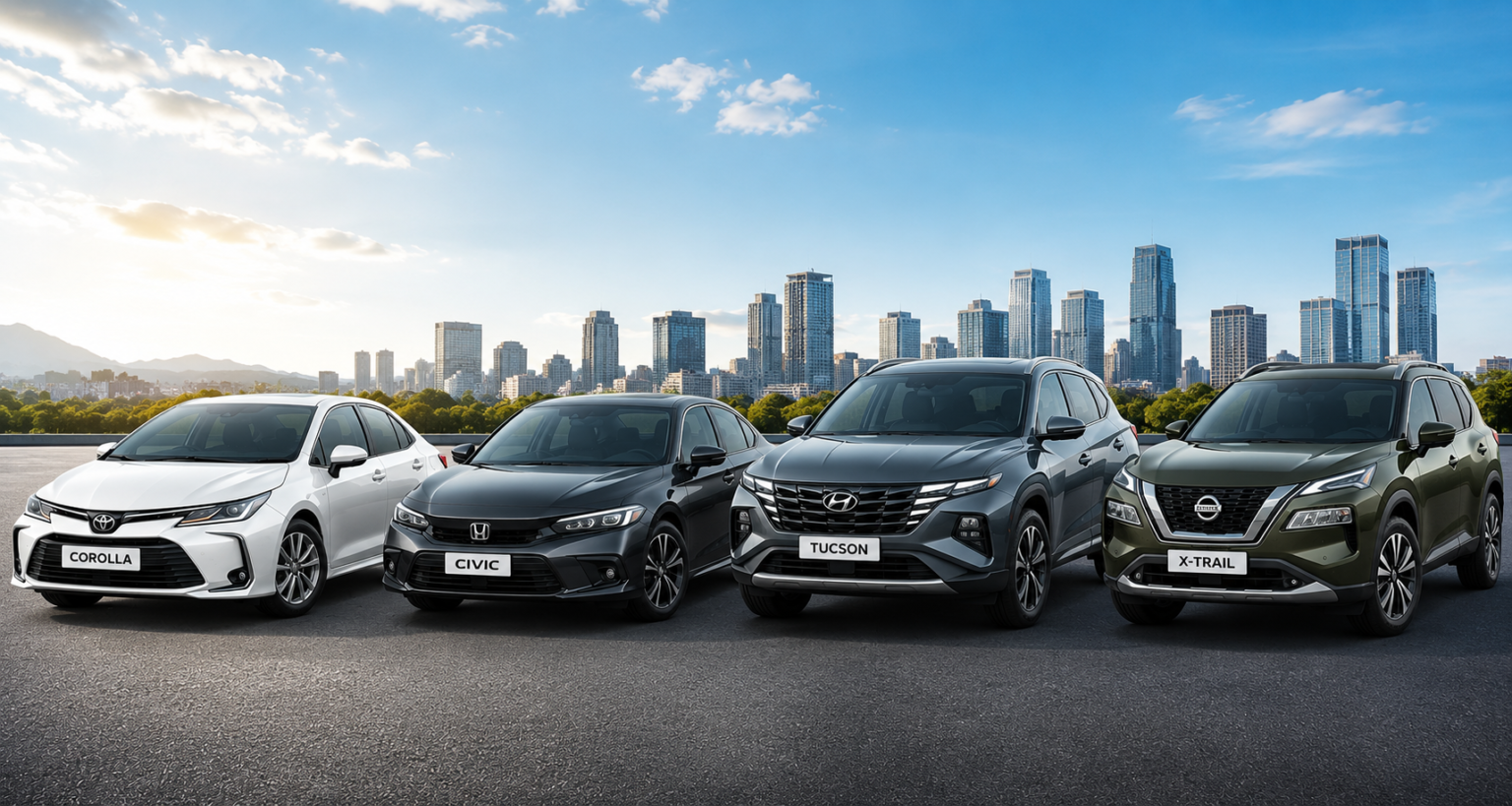
Almost double what’s in second place. At some point you have to stop calling this “leading the market” and start calling it “a different sport entirely.” Corolla, RAV4, Camry, Hilux, Land Cruiser — the usual suspects — and a hybrid playbook everyone else is still copying homework from.
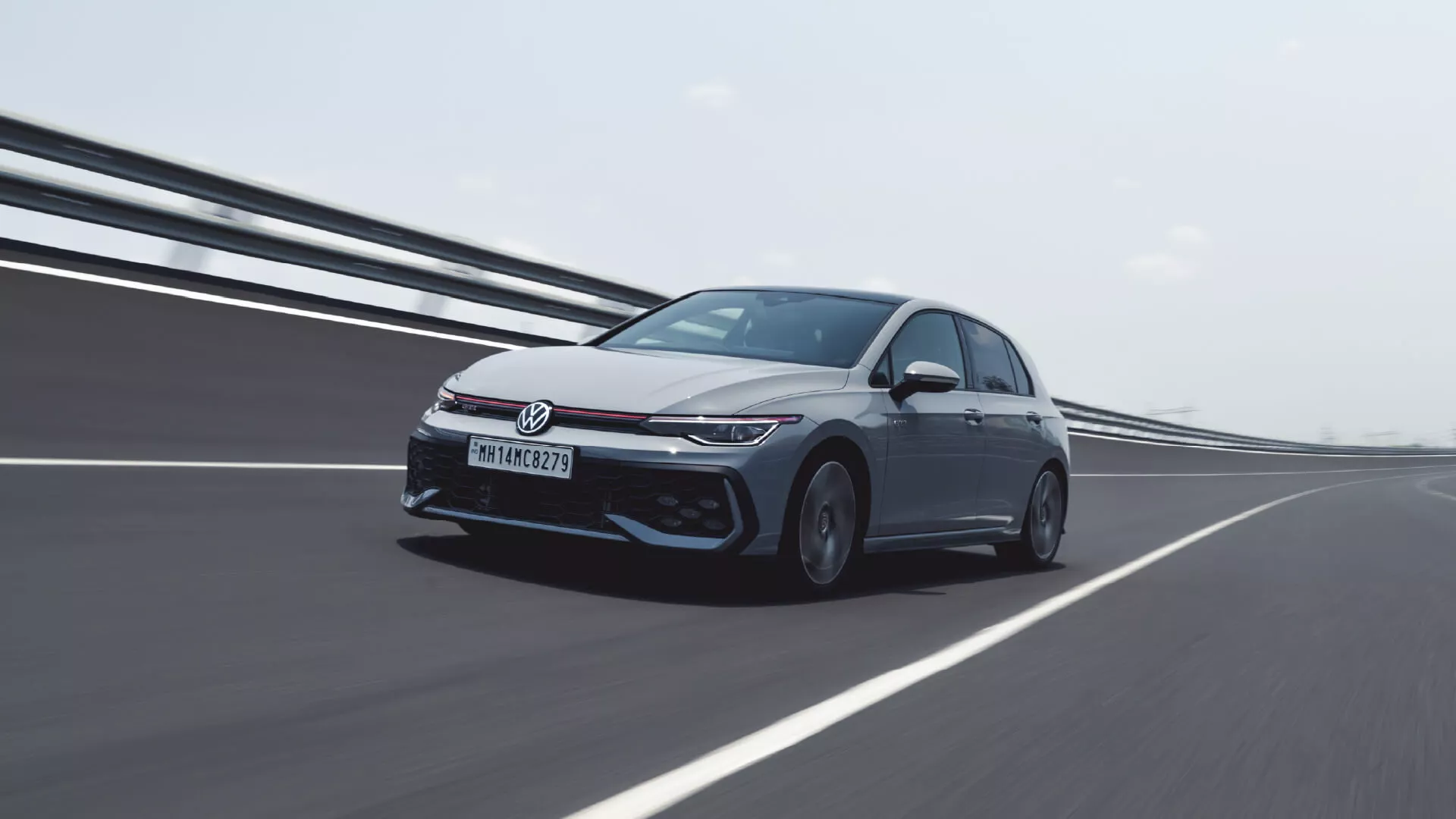
2. Volkswagen — 5.12 million.
Perfectly fine second place, nothing dramatic. Golf, Tiguan, Polo, Passat still sell like they always have in Europe and China. The ID. electric cars are there too, quietly getting less embarrassing every year.
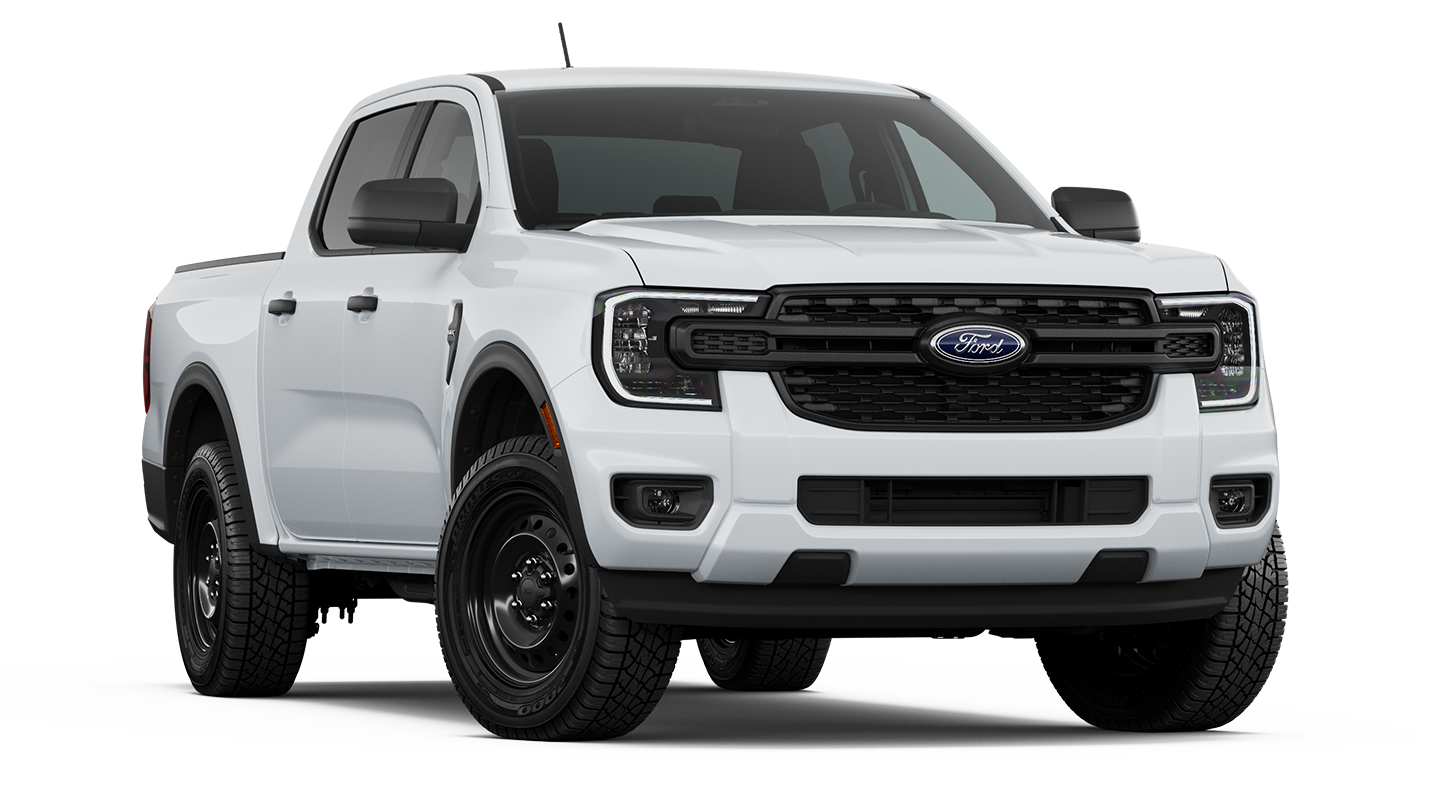
3. Ford — 4.24 million.
It’s the F-Series carrying this, full stop. Everything else — Ranger, Everest, Explorer — is a supporting cast member. Yes there’s a Mustang Mach-E, yes there’s an F-150 Lightning, but nobody’s pretending those are the main event.
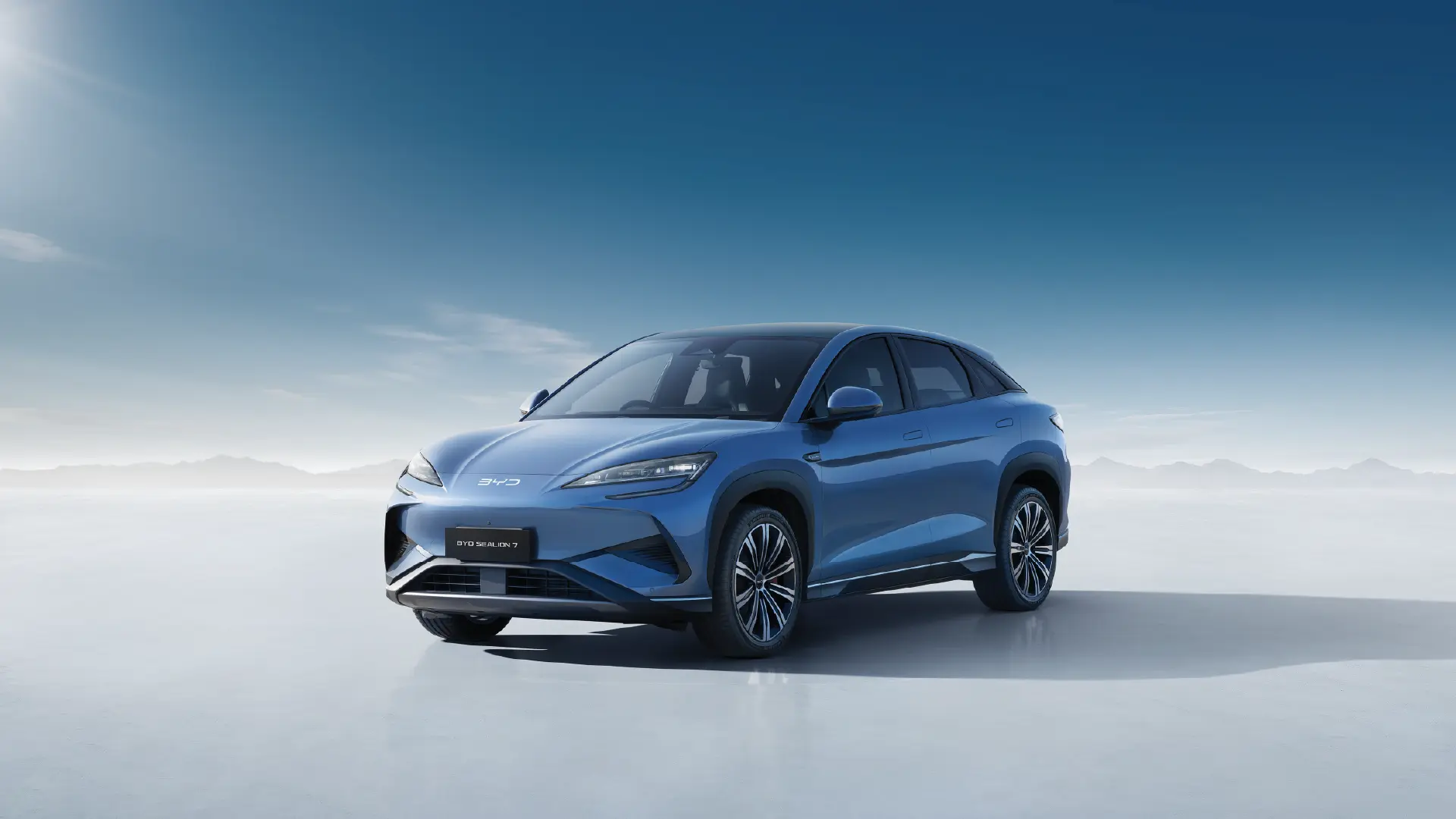
4. BYD — 4.21 million.
Right, here’s the one people should actually care about. Four years ago this brand was a punchline outside China. Now it lost third place by a number so small it’s basically a rounding error. Seal, Dolphin, Atto 3, Han, Song — and it’s not just selling in China anymore, it’s everywhere: Europe, Southeast Asia, Latin America, Australia, India. Somebody at Ford is looking at this chart nervously.
5. Hyundai — 3.89 million.
Reliable, unglamorous, keeps growing anyway. Tucson, Creta, Elantra, Ioniq 5, Kona. Nothing here will surprise you and that’s kind of the point.
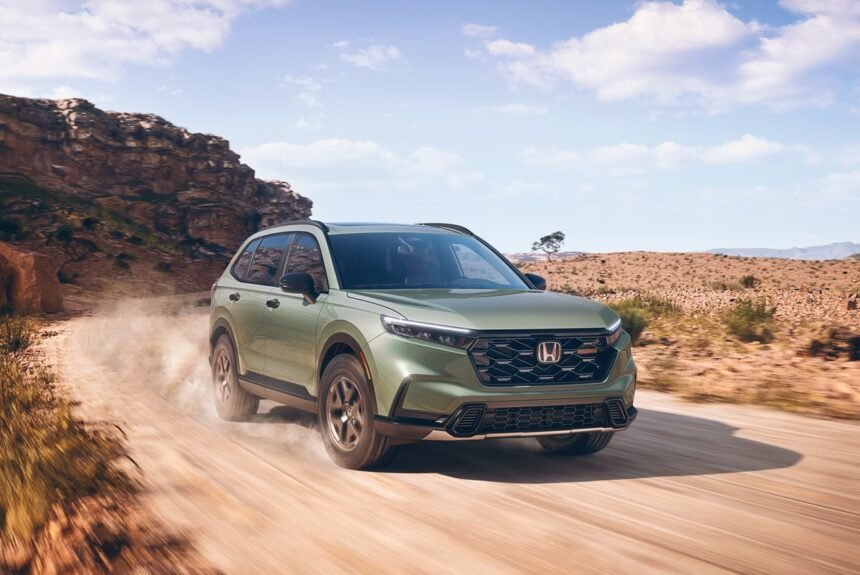
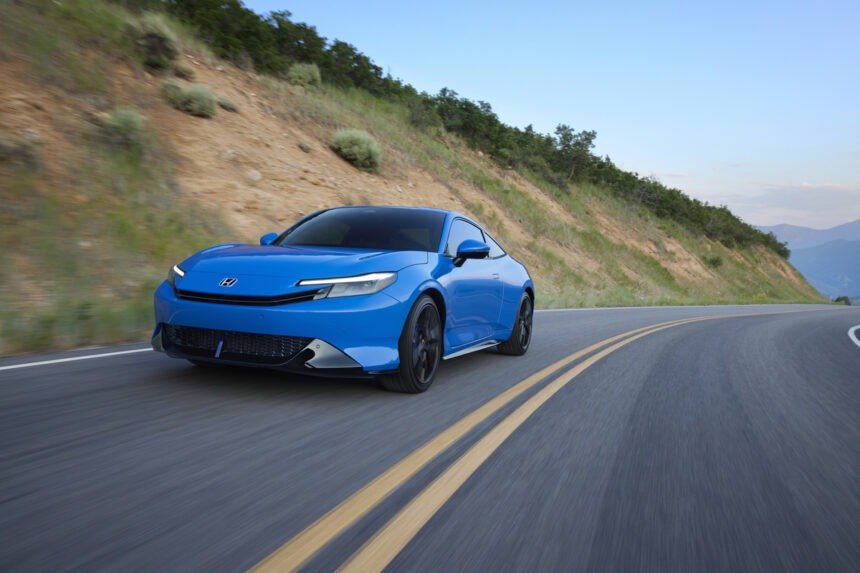
6. Honda — 3.31 million.
Civic, CR-V, HR-V, Accord, City — cars people buy because their parents bought one and it never gave them trouble. Hybrid investment is ramping up, which tells you Honda knows it can’t just live off nostalgia forever.

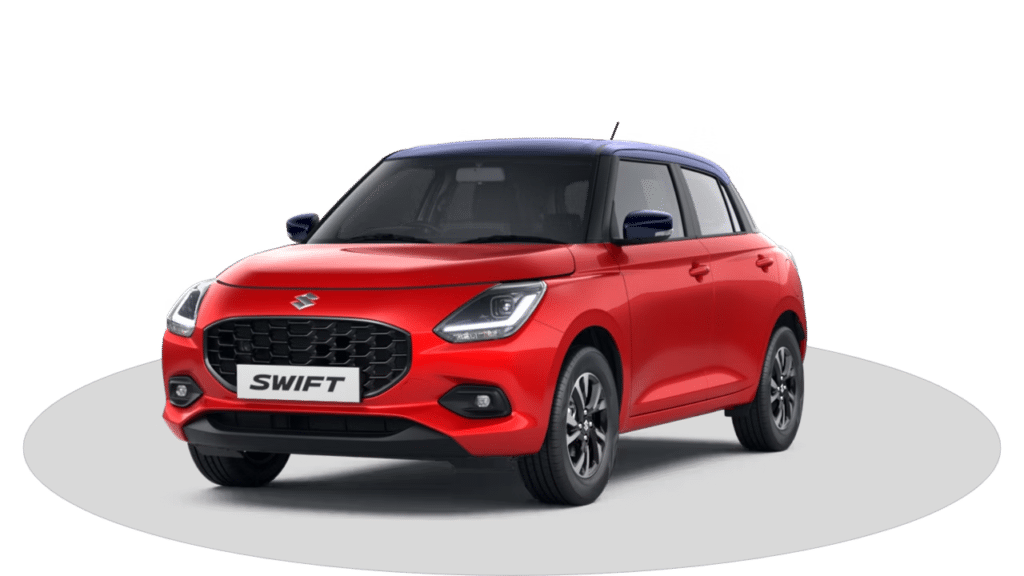
7. Suzuki — 3.30 million.
Basically tied with Honda, and almost the entire story is one word: India. Maruti Suzuki is doing the heavy lifting here. Swift, Brezza, Fronx, Grand Vitara, Jimny — throw in solid numbers back home in Japan and the math checks out.
8. Nissan — 3.14 million.
SUVs are propping this brand up — X-Trail, Qashqai, Rogue, Patrol — while the Leaf and Ariya remind everyone Nissan technically has EVs too.
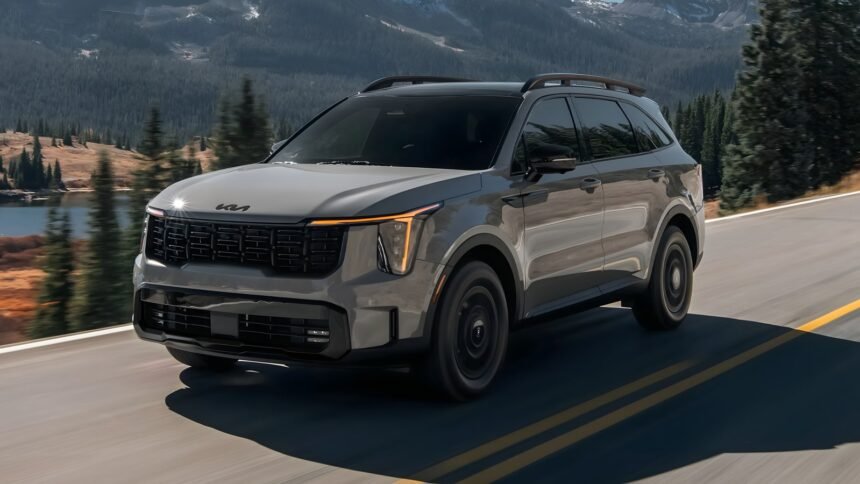
9. Kia — 3.14 million.
Tied dead even with Nissan, which feels almost unfair given how much ground Kia’s made up in the last decade. Better looking cars, nicer interiors than the price suggests, and a lineup — Sportage, Seltos, Sonet, EV6, Carnival — hitting basically every category buyers care about.
10. Chevrolet — 2.83 million.
Closes it out with the same trucks-and-SUVs approach that’s worked forever — Silverado, Tahoe, Equinox, Traverse, Blazer. EVs exist on the roadmap. They’re not really the story yet.
The Numbers, If You Just Want the List
| Rank | Brand | Global Sales |
|---|---|---|
| 1 | Toyota | 9.65 Million |
| 2 | Volkswagen | 5.12 Million |
| 3 | Ford | 4.24 Million |
| 4 | BYD | 4.21 Million |
| 5 | Hyundai | 3.89 Million |
| 6 | Honda | 3.31 Million |
| 7 | Suzuki | 3.30 Million |
| 8 | Nissan | 3.14 Million |
| 9 | Kia | 3.14 Million |
| 10 | Chevrolet | 2.83 Million |
For Anyone Shopping in India
Good news — you don’t have to take my word for any of this secondhand. Toyota, Hyundai, Honda, Maruti Suzuki, Kia, Volkswagen, Nissan, and BYD are all sitting in showrooms here right now, hatchbacks to EVs, no importing required.
And honestly, the more these brands elbow each other for space on this list, the better it usually is for whoever’s actually buying — cheaper prices, faster tech, more choices than we had five years ago.
*Note: figures are worldwide 2025 sales numbers, based on the source infographic.*