




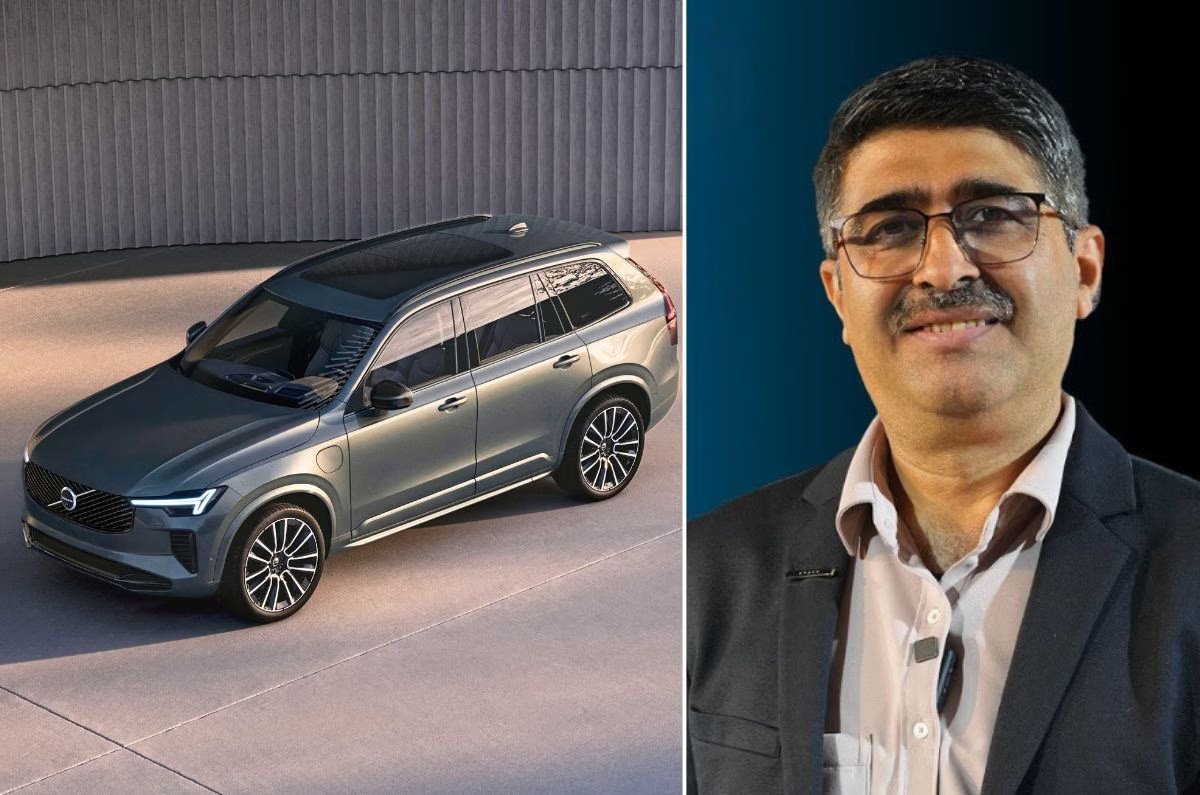
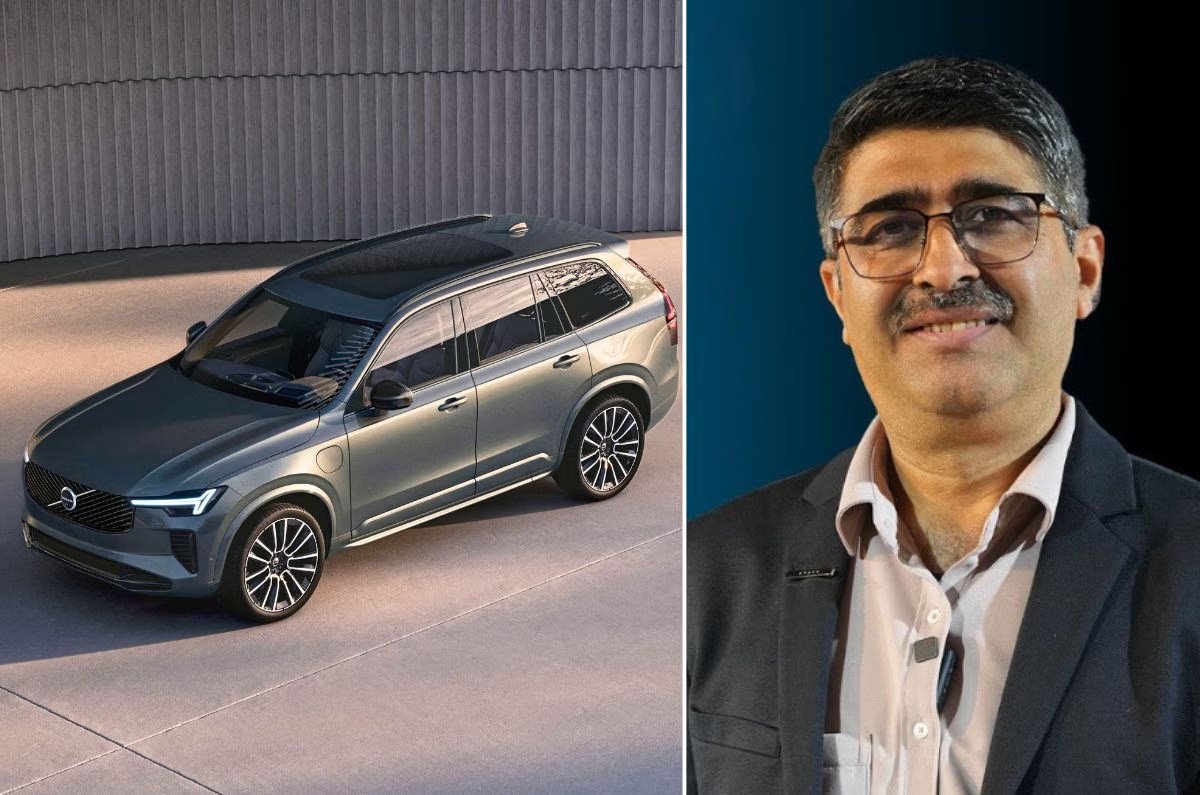
Volvo is currently not considering plug-in-hybrid vehicles (PHEVs) in its India portfolio anytime soon, as it sees the current tax structure and uncertain customer interest as hurdles to their introduction. “The regulations are not conducive to plug-in hybrids”, said Jyoti Malhotra, MD of Volvo Car India, to our sister publication Autocar Professional, at the sidelines of the recent EX90 launch. He also added that Volvo’s India plans remain focused on mild hybrids and EVs for now.
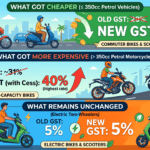
- GST on PHEVs is 40 percent, making them less competitive than BEVs with 5 percent GST
- Volvo’s India strategy focuses on mild hybrids and BEVs for the foreseeable future
- PHEVs could be introduced if customer demand, economics support their future viability
India’s tax structure makes PHEVs less competitive
In India, PHEVs face a 40 percent GST rate (plus applicable cesses bringing total taxes even higher, up to 43 percent). In contrast, pure battery EVs (BEVs) face a 5 percent GST rate and no compensation cess.
Malhotra said current tax treatment favours BEVs and makes PHEVs less competitive. PHEVs combine an internal combustion engine (ICE) with an electric drivetrain comprising an electric motor and a rechargeable battery that can be charged externally. This dual-powertrain setup adds to the vehicle’s cost. The higher tax burden further affects the final price, making PHEVs less competitive against conventional ICE models and battery electric vehicles (BEVs).
Higher costs, customer willingness to pay remain key hurdles
Beyond taxation, customer willingness to pay remains a key factor in Volvo’s assessment. Malhotra said PHEVs would be more expensive than conventional ICE vehicles because they combine two powertrains and face a higher tax burden. “Are our customers ready to pay that cost is something we are watching very closely”, he added.
He also believes incentives under the third phase of Corporate Average Fuel Economy (CAFE) norms, slated to go into effect from April 2027, would not by themselves change the commercial case or the final purchase price. “I don’t think CAFE will bring much change to that. It is basically the tax structure,” he said.
Volvo’s India strategy remains focused on EVs, mild hybrids
Malhotra maintained that Volvo’s broader direction remained towards battery electric vehicles, even as the company adjusted the pace of its transition to reflect conditions in individual markets. “Our end goal is still the same, globally as well as in India, that we want to become an electric car company,” he said.
In India, Volvo offers mild-hybrid SUVs alongside BEVs, with electric cars accounting for nearly one in four vehicles it sells. The BEV portfolio includes EX30, EC40 and EX90 models, while the ICE models include the XC60 and XC90 SUVs, which come in a mild-hybrid avatar. Internationally, though, Volvo offers the XC60 and XC90 as PHEVs as well.
Malhotra said that mix also left the company well placed on CAFE compliance, allowing its powertrain decisions to be guided by market demand. Plug-in hybrids remain an option if customer demand and the economics support their introduction. “It’s not that we will bring it, but we can bring it if all things fall in place,” he added.
With inputs from Mugdha Mishra and Dipan Sur