


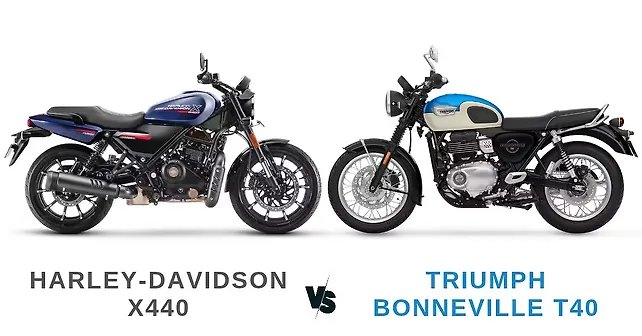
- Bonneville T4 and X440 are separated by only around Rs. 5,000 at the entry level
- Triumph makes more power, while the Harley’s 38Nm arrives much earlier
- T40 has better tech, but X440 has proven road manners
Which one would you pick, a modern classic or a retro roadster? The Triumph Bonneville T40 and Harley-Davidson X440 present an unusual choice here. Both carry badges with history, both are manufactured in India, and both are trying to make premium motorcycling accessible without giving up any of that identity attached to their respective brands.
Two Famous Names, but Different Character
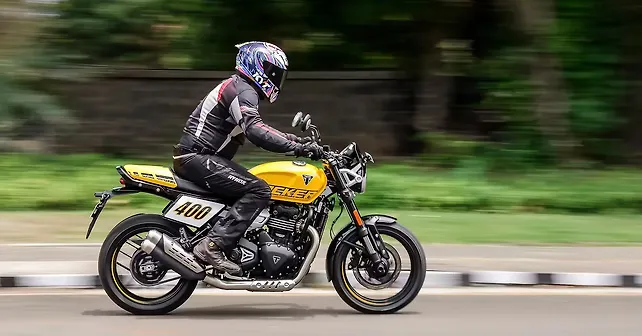
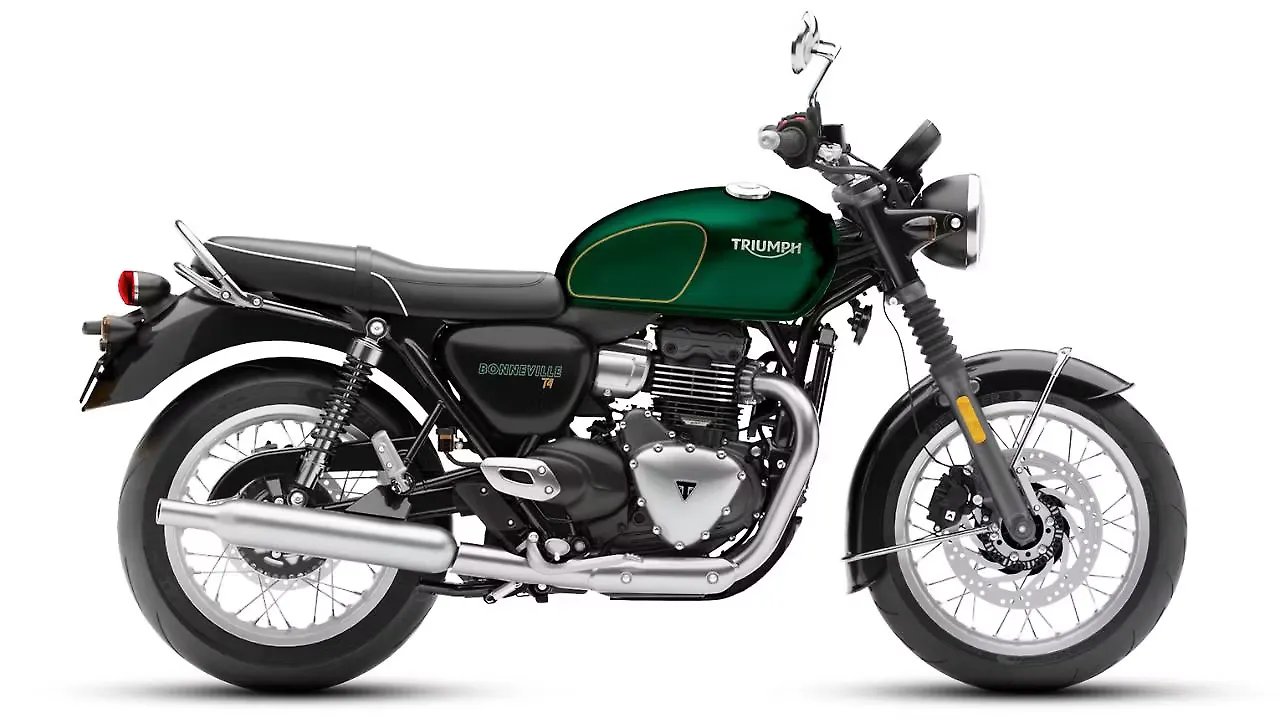
There is an important difference in the heritage they sell. Bonneville has model-specific history. Its name dates back to 1959 since when it has remained as one of Triumph’s most recognisable motorcycles. The new 350cc family therefore makes it look and feel like a smaller Bonneville. That teardrop tank, round headlamp, peashooter-style exhaust, bench seat, wire-spoke wheels, twin rear shocks and upright stance all work towards glorifying that appeal.
The X440 is different. Harley-Davidson as a brand goes back to 1903, but the X440 is a new motorcycle than a smaller version of a historic Harley model. This bike has been co-developed with Hero MotoCorp specifically for emerging markets. What it carries is Harley-Davidson brand heritage rather than direct X440 lineage.
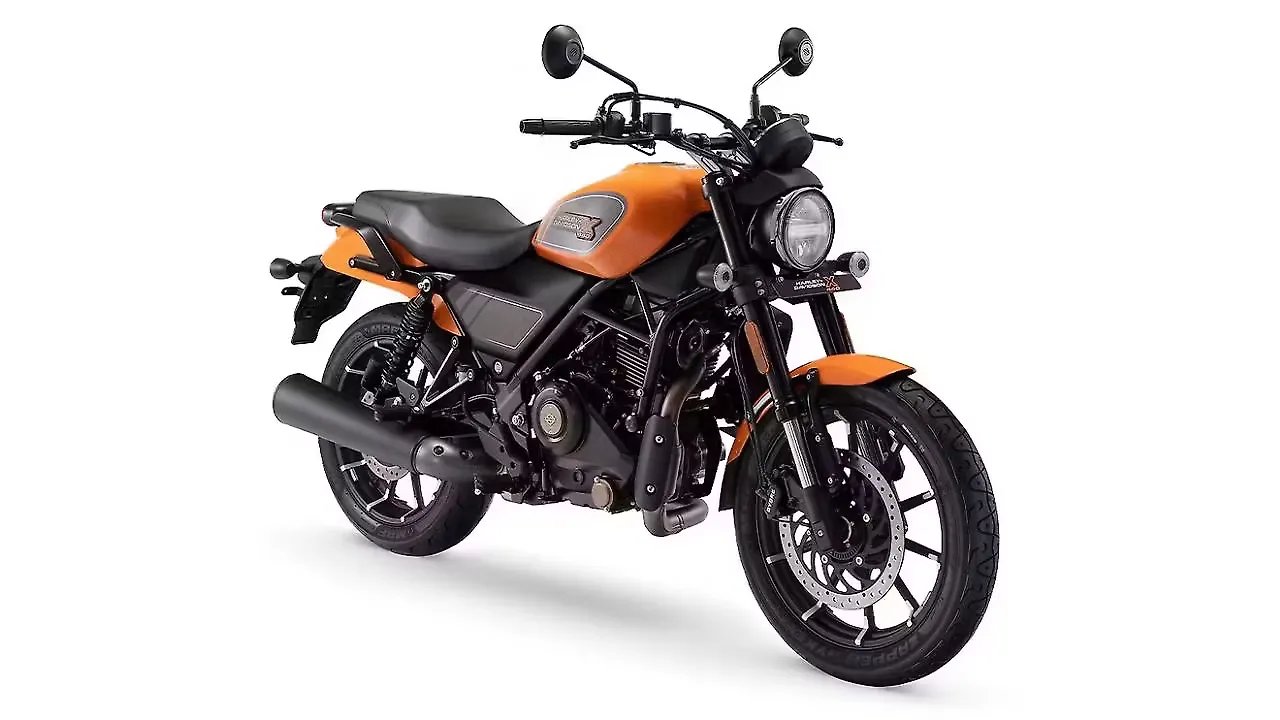
This very distinction comes through in their designs. Triumph is cleaner and more traditional. Even the engine with its cooling fins is styled to sit naturally with that classic silhouette. Harley is more muscular with a larger-looking tank, broader stance, chunky panels and a roadster posture that relates to old-school Harley cues.
When we rode the X440, it genuinely carries that road presence. Although it’s overall fit and finish could have been better, more importantly, the motorcycle impressed once moving. Its riding position is comfortable, the clutch is light, and the chassis is more entertaining than its 190kg-plus weight suggests.
We’ve not ridden the new Bonneville T40 yet, but are are soon going to. What its specifications tell us, however, is that Triumph has gone in a very different direction with the engine.
X440 gets a 440cc air-oil-cooled two-valve long-stroke single producing 27bhp at 6,000rpm and 38Nm at 4,000rpm. Its 79.6mm bore and very long 88.4mm stroke reflects in its personality. It is tractable from around 2,000rpm, lively through the low and middle rev range, and particularly comfortable cruising around 90kmph in sixth gear.
Triumph uses a smaller 350cc liquid-cooled DOHC four-valve engine, but makes 28.3bhp at 7,000rpm and 31.2Nm at 5,500rpm. Its dimensions are almost the opposite of the Harley, with an 89mm bore and short 56.1mm stroke.
That should create two clearly different experiences despite their similar outputs. The Harley concentrates on the shove available every time the throttle is opened at ordinary road speeds. The Triumph should encourage the rider to use more revs utilising the upper part of its powerband. Triumph has retuned the engine for the Bonneville with an emphasis on lower-rev response, but its basic short-stroke architecture remains quite different from the Harley’s slow-beating 440cc single.
Technical Differences Go Much Deeper
Both motorcycles have a 1,418mm wheelbase and use 18-inch front and 17-inch rear wheels. From there, however, the similarities begin to disappear.
Bonneville weighs 195kg ready to ride and has a lower 790mm seat height. X440 weighs 190.5kg in its regular form and has a higher 805mm saddle height. The Triumph therefore weighs slightly more but should be easier for shorter riders to flat-foot. An accessory seat can reduce the Bonneville to 770mm.
Both use six-speed gearboxes and assist and slipper clutches. The Triumph gets electronic throttle control across the range. Its suspension consists of 43mm conventional front forks with 130mm travel and twin rear shocks, again with 130mm travel. The Harley uses more modern-looking 43mm USD front forks and gas-charged twin rear shocks with seven-step preload adjustment.
X440 also gets a slightly larger front brake with a 320mm disc against the Triumph’s 310mm unit. At the rear, the Triumph has a 255mm disc compared with the Harley’s 240mm disc. Both have ABS, although the level of electronic assistance depends heavily on variant.
This is where Triumph starts to justify its price more efficiently.
The Bonneville T4 costs Rs. 2,54,999 (all mentioned prices are ex-showroom). It uses a four-inch colour LCD, turn-by-turn navigation, three riding modes, LED lighting, electronic throttle and ABS. It also has traction control, and retains the same 28.3bhp engine, frame, suspension, brakes, 790mm seat and 14.5-litre tank as the more expensive T40.
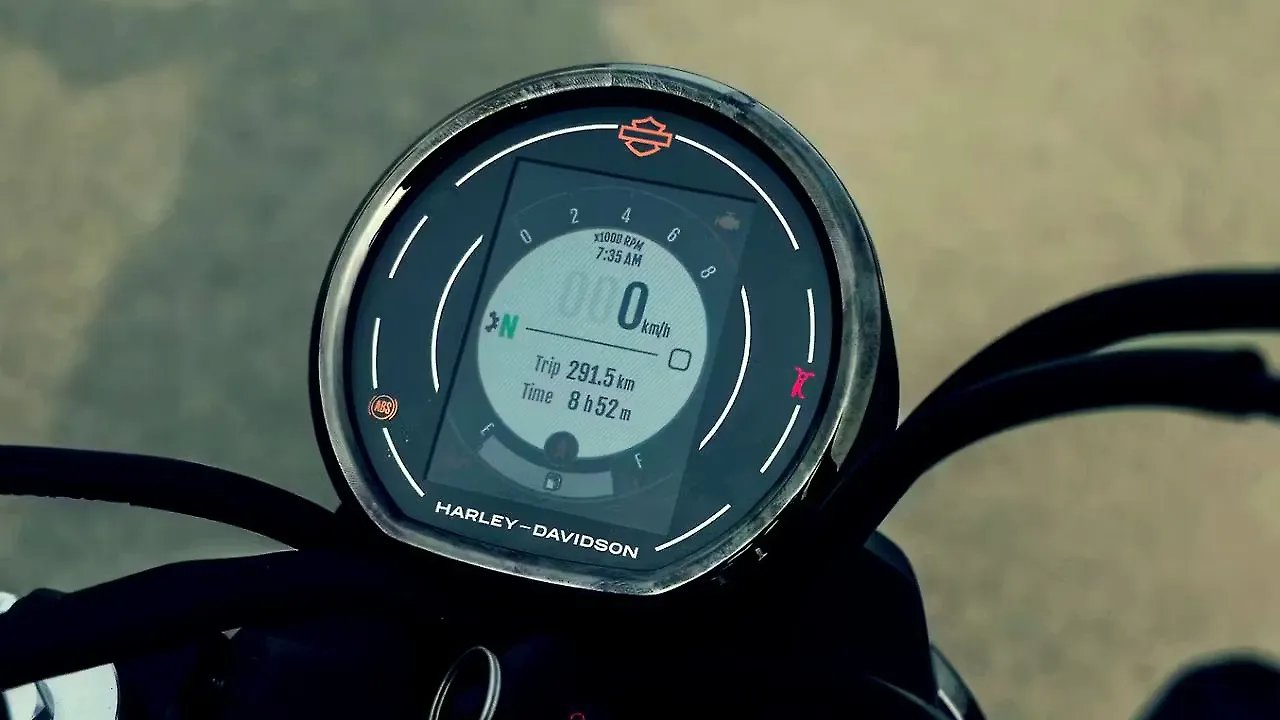
The regular X440 now costs Rs. 2.60 lakh. It has a 3.5-inch digital display, Bluetooth connectivity, turn-by-turn navigation, LED lighting, dual-channel ABS, a 13.5-litre fuel tank and the same 440cc engine. For someone comparing the two base motorcycles, the Triumph is around Rs. 5,000 cheaper while offering more power and a broader electronics package.
Move higher and the comparison gets closer. Bonneville T40 and T40 Black cost Rs. 2,79,999. They replace the T4’s LCD with a four-inch TFT featuring full-map navigation and add five riding modes, cruise control, lean-sensitive cornering ABS, cornering traction control, self-cancelling indicators and more sophisticated switchgear. The Black is mechanically similar but takes a darker styling route.
The X440 T costs Rs. 2.86 lakh. It adds ride-by-wire, Road and Rain modes, traction control, switchable rear ABS, panic braking alert, bar-end mirrors, and a revised rear section. It weighs 192kg. Harley also provides a five-year or 70,000km warranty which is substantially longer than Triumph’s standard two-year unlimited-mileage cover.
Which Variant Makes the Most Sense?
At the lower end, the Bonneville T4 looks like the strongest value proposition. It costs Rs. 2.55 lakh against Rs. 2.60 lakh for the X440, makes slightly more peak power, gets a lower seat, a larger tank, modern electronic throttle and a useful amount of rider technology. Buyers who want a sophisticated modern classic will find it difficult to ignore.
The Harley fights back through the engine itself. We’ve already told you in our tests how the X440’s low and mid-range performance makes it particularly easy to enjoy in the real world. There is little need to keep chasing gears as that 38Nm figure is available much earlier than the Triumph’s peak torque. It also has a deeper exhaust note and the kind of lazy-but-responsive character buyers associate with a Harley.
X440 therefore will be liked by riders who spend most of their time in town, enjoy relaxed weekend rides, and values strong roll-on performance over peaky horsepower. That 805mm saddle height is still approachable, it handles surprisingly well and is comfortable at highway speeds. Main compromises remain vibrations higher in the rev range and quality that could been more premium in places.
T40 will appeal more to the rider who wants a classic-looking motorcycle without old-fashioned mechanical behaviour. Its more advanced engine, stronger electronics, low seat, long 16,000km service interval and sophisticated top-spec rider aids make it the more modern motorcycle underneath its traditional bodywork.
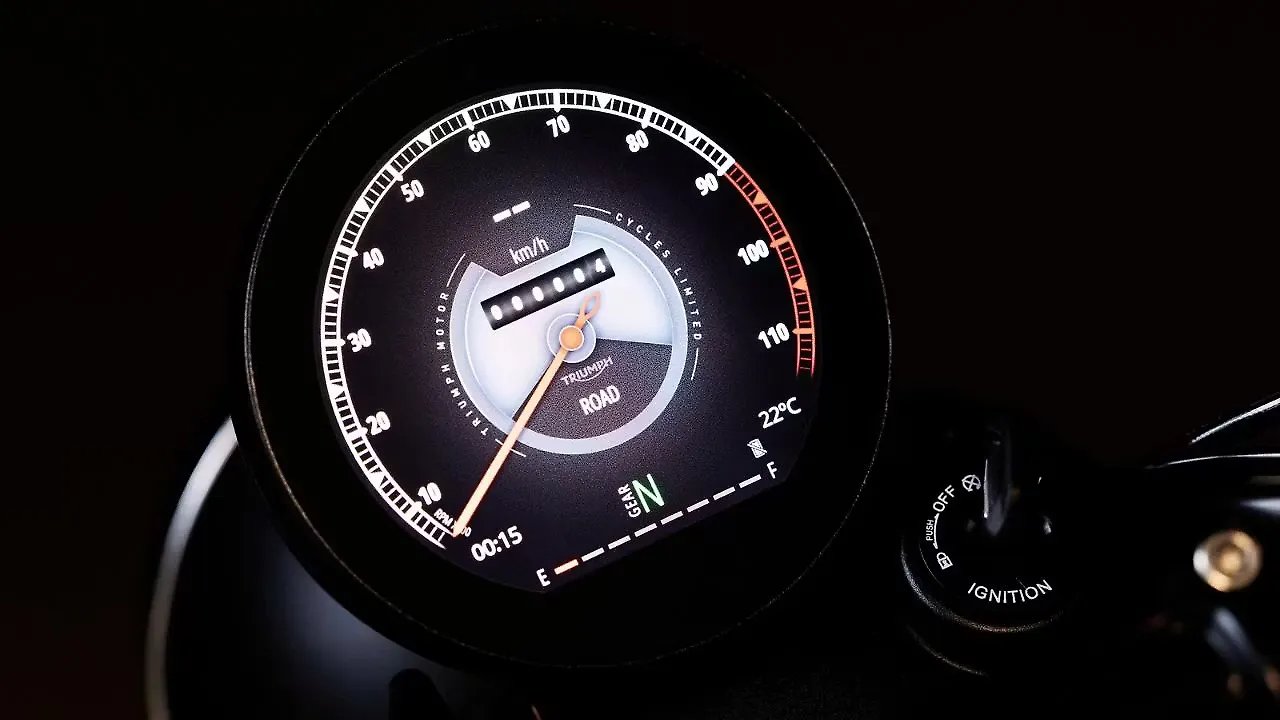
For value, the T4 is arguably the sweet spot of the entire comparison. Most of the important mechanical package is retained without paying Rs. 25,000 extra for the T40’s TFT, cruise control, cornering electronics and additional ride modes. At the other end, the Rs. 2.80 lakh T40 looks stronger on equipment than the Rs. 2.86 lakh X440 T. The Harley T remains worthwhile for riders who specifically prefer the 440cc engine’s torque, Harley styling and longer warranty.