




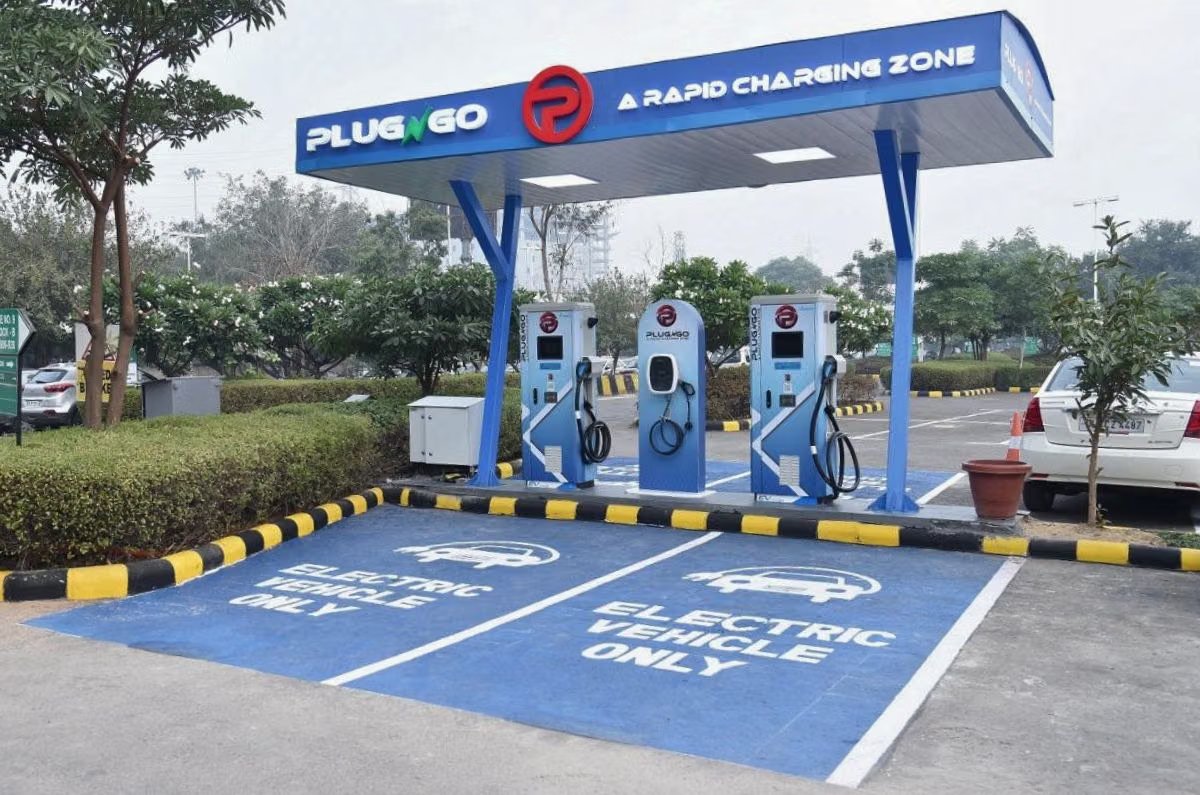
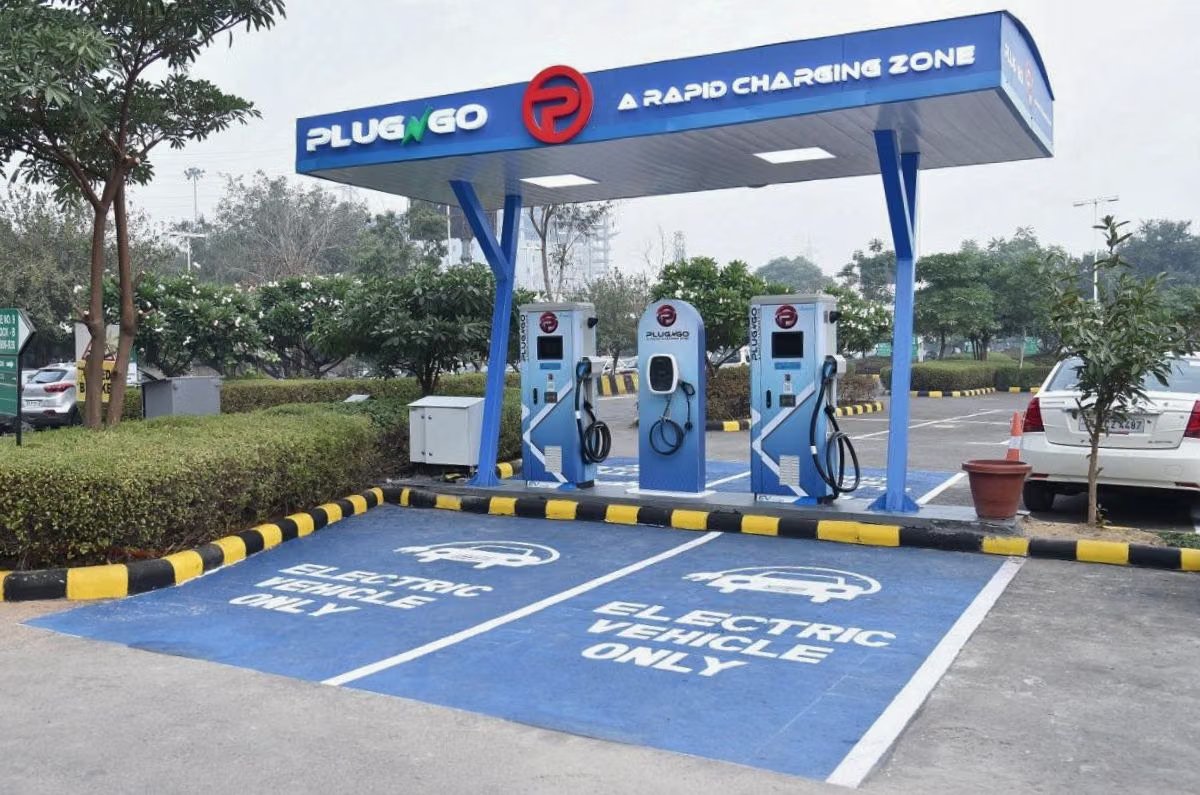
India’s electric vehicle (EV) charging network has grown to over 29,000 stations across 200 charge point operators (CPOs), according to a report by Rubix Data Sciences that uses data from the Ministry of Heavy Industries (MHI). The report suggests a disparity between the availability of charging stations and their public usage. It states that while the number of charging stations has increased sixfold from a mere 5,000 in 2022 to 29,151 by 2025, capacity utilisation has remained at 1-5 percent.
Charging station availability vs utilisation imbalance
Low utilisation of charging station capacity hits CPOs’ profitability
The report titled “Rubix Sectoral Insights: India’s Charge Point Operator (CPO) Landscape” notes that the physical expansion of charging infrastructure has continued at scale. As of August 7, 2026, 67,657 charging stations, including battery-swapping hubs, were operational. However, the economics of operating these stations remain strained due to low utilisation. An SBI report estimates capacity utilisation at just 1-3 percent, while an S&P Global report puts it at around 5 percent.
This underuse of public charging stations is mainly because EV owners prefer charging their vehicles at home or at work. Industry data supports this trend. A 2023 Tata Motors report found that 93 percent of its EV owners charge their vehicles at home or in the office, and public charging stations are mostly used for emergencies and long-distance trips. Similarly, at the 2021 Autocar Professional EV Forum, Nilay Chandra, then the director of Charging Infrastructure at Ather Energy, had noted that their data showed “90-95 percent of the charging happens at home”.
At low usage levels, running and maintaining a charging station is financially difficult. Operators have to cover costs such as land and site development, electricity and regulatory requirements to stay operational 98 percent of the time. Electricity tariffs also vary widely across states, ranging from Rs 6 to Rs 12 per kWh. This makes it difficult for operators to establish a uniform pricing structure. At low utilisation levels, recovering these expenses remains difficult without substantial revenue or subsidies.
Tushar Bhaskar, President of Rubix Data Sciences, highlights the financial implications of this gap, saying, “That gap is where CPOs will either make money or burn through it. The winners will be the ones who pick the sites that fleet vehicles and high-traffic corridors actually use, instead of trying to increase their presence on the map.”
Estimates suggest India will require over 13 lakh charging points by 2030
India recorded over 23 lakh EV sales in 2025 (including electric 2W, 3W, 4W and commercial vehicles). The India Energy Storage Alliance (IESA), an influential industry body tracking electric mobility and clean tech, projects that annual EV sales could reach 3.04 crore units by 2032 under a high-growth scenario, roughly 12 times the 2025 figure. On the infrastructure side, according to estimates from the Confederation of Indian Industry (CII), published by the commerce ministry’s India Brand Equity Foundation (IBEF), India might require over 13 lakh public charging points by 2030, based on a calculation of one charger for every 40 EVs. That would be nearly 20 times the number currently installed.
But with capacity utilisation still scant, the challenge is not simply to build more charging points, but also to make them financially viable. Without sufficient utilisation, operators may struggle to recover their investments, putting the long-term expansion of charging infrastructure at risk.
With inputs from Angitha Suresh.